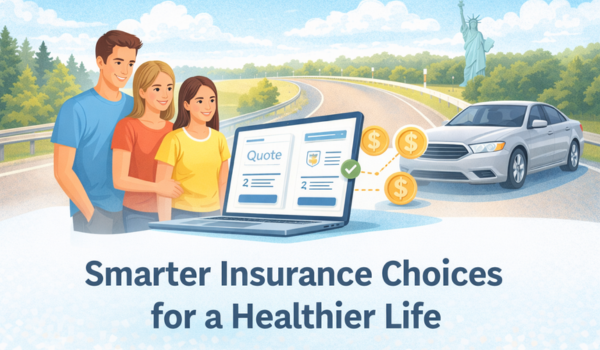
For most Americans, insurance is not optional—it’s a necessary part of daily life. Auto insurance is legally required in nearly every state, home insurance protects one of the biggest financial investments a person will ever make, and health-related coverage plays a vital role in long-term stability and peace of mind.
Yet despite its importance, insurance is one of the most confusing financial products consumers face. Policies are filled with technical terms, pricing varies widely, and many people end up overpaying simply because they stay with the same provider year after year.
This is where insurance comparison services have become increasingly valuable. By helping consumers quickly compare multiple options, these platforms empower people to make smarter, more cost-effective decisions—without sacrificing coverage or quality.
The Hidden Cost of Not Comparing Insurance
Many U.S. consumers assume that loyalty to one insurance provider leads to better rates. In reality, the opposite is often true.
Insurance companies frequently offer their best pricing to new customers. Existing policyholders may see gradual premium increases over time, even if their driving record, location, or risk profile hasn’t changed. Without comparing alternatives, it’s easy to miss out on potential savings.
According to industry data, drivers who compare auto insurance quotes can save hundreds of dollars per year simply by switching providers. Similar savings apply to homeowners and renters insurance, where rates can vary dramatically for nearly identical coverage.
Comparison services exist to close this gap—giving consumers visibility into the market instead of locking them into a single provider’s pricing structure.
How Insurance Comparison Services Work
Insurance comparison platforms act as a bridge between consumers and licensed insurance providers. Rather than selling insurance directly, they collect basic information and use it to match users with suitable options from multiple companies.
The process is typically straightforward:
-
A user enters basic details, such as ZIP code and insurance type.
-
The platform connects that information to a network of insurance partners.
-
The user receives multiple quotes or is guided to licensed agents who can provide personalized offers.
This approach saves time, reduces complexity, and helps users avoid the frustration of contacting insurers one by one.
Why ZIP Code Plays Such a Big Role in U.S. Insurance Rates
In the United States, location is one of the most influential factors in determining insurance premiums—especially for auto and home coverage.
A ZIP code can affect:
-
Accident and crime statistics
-
Traffic density
-
Weather-related risks
-
State and local insurance regulations
Two drivers with identical vehicles and driving histories may receive very different quotes simply because they live in different ZIP codes. That’s why reputable comparison platforms begin the process with location-based filtering—it ensures that quotes are accurate and relevant.
The Health and Financial Impact of Better Insurance Choices
While insurance is often viewed purely as a financial product, it has real implications for health and well-being.
Financial stress is a well-documented contributor to anxiety, sleep problems, and chronic stress-related conditions. Overpaying for insurance—or worse, being underinsured—can increase that stress significantly.
By comparing options and choosing coverage that fits both budget and lifestyle, individuals can reduce financial pressure and gain peace of mind. This aligns closely with the broader wellness philosophy: preventive decisions today can protect both mental and financial health in the long run.
Common Myths About Insurance Comparison
Despite their benefits, some consumers hesitate to use comparison services due to common misconceptions.
One myth is that comparing insurance will negatively affect credit scores. In reality, quote comparisons typically involve soft checks or none at all.
Another misconception is that comparison sites only show the cheapest options, sacrificing quality. In fact, reputable platforms work with licensed insurers and agents, ensuring that coverage options meet regulatory and professional standards.
Lastly, many believe comparison services are complicated or time-consuming. Modern platforms are designed to simplify the process—often requiring less than a minute to get started.
What Makes a Good Insurance Comparison Platform
Not all comparison services are created equal. A reliable platform should prioritize transparency, security, and ease of use.
Key features to look for include:
-
Simple input requirements, such as ZIP code-based searches
-
Connections to licensed insurance agents
-
Clear privacy and data protection standards
-
No obligation to purchase
Platforms that meet these criteria help users feel confident and informed, rather than pressured into quick decisions.
How SelectMyPolicy Helps U.S. Consumers Compare with Confidence
This is where SelectMyPolicy stands out as a practical solution for U.S. consumers looking to explore insurance options efficiently.
Rather than overwhelming users with complex forms, SelectMyPolicy starts with a simple ZIP code entry. From there, it connects users with licensed insurance professionals and providers who can offer location-specific quotes.
The platform focuses on convenience, security, and accessibility—making it especially useful for drivers and homeowners who want to understand their options without committing upfront.
By acting as a comparison gateway instead of a direct seller, SelectMyPolicy allows consumers to explore the market, ask questions, and make informed choices at their own pace.
Who Can Benefit Most from Insurance Comparison Services
Insurance comparison tools are valuable for a wide range of people, including:
-
Drivers whose premiums have increased unexpectedly
-
New homeowners or renters shopping for first-time coverage
-
Families looking to balance protection with affordability
-
Individuals relocating to a new state or ZIP code
Even those who feel satisfied with their current policy can benefit from checking the market periodically. Insurance needs evolve, and comparison helps ensure coverage keeps up with life changes.
Making Insurance a Smarter Part of Your Wellness Strategy
On a wellness-focused platform like health365s.com, insurance comparison fits naturally into a broader conversation about proactive living.
Just as people are encouraged to monitor physical health indicators, financial and risk protection deserves similar attention. Comparing insurance is not about chasing the lowest price—it’s about aligning coverage with real needs and reducing unnecessary stress.
Services like SelectMyPolicy provide a practical tool for doing exactly that, empowering consumers to take control of an often-overlooked aspect of well-being.
Final Thoughts
Insurance doesn’t have to be confusing, expensive, or overwhelming. With the right comparison tools, U.S. consumers can navigate the market with clarity and confidence.
By understanding how rates work, why location matters, and how comparison platforms operate, individuals are better equipped to make choices that support both financial stability and long-term peace of mind.
For those ready to explore their options, SelectMyPolicy offers a simple starting point—helping turn insurance comparison into a smarter, healthier decision.

.png)
.png)

.png)


.png)
.png)
.png)
.png)
.png)


.png)




.png)
.png)
.png)






.png)
.png)
.png)
.png)
.png)
.png)
.png)
.png)
.png)



.png)


.jpg)