
.png)
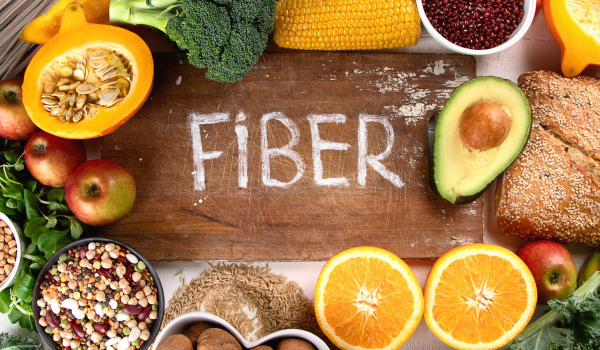
Fiber is one of the most overlooked nutrients in everyday diets, yet it plays a vital role in digestion, metabolism, and overall health. Many people focus on protein, fats, or calories while unintentionally falling short on fiber intake. This gap can affect gut health, energy levels, heart health, and long-term disease risk. Understanding why fiber matters—and how to include it consistently—helps build a healthier, more balanced eating pattern without complexity or restriction.
What Dietary Fiber Is And How It Works
Fiber is a type of carbohydrate the body cannot fully digest.
Soluble And Insoluble Fiber Explained
Soluble fiber dissolves in water and forms a gel-like substance that slows digestion, while insoluble fiber adds bulk and helps food move through the digestive tract.
How Fiber Moves Through The Digestive System
Unlike other carbohydrates, fiber passes largely intact through the intestines, supporting regular bowel movements.
Why Fiber Is Not Absorbed As Energy
Because the body does not break fiber down into glucose, it does not cause rapid blood sugar spikes.
Fiber As A Support System For Gut Health
Fiber feeds beneficial gut bacteria, which play a key role in digestion and immunity.
Fiber And Digestive Health
Digestive function relies heavily on adequate fiber intake.
Supporting Regular Bowel Movements
Fiber helps prevent constipation by increasing stool bulk and softness.
Reducing Digestive Discomfort
Adequate fiber supports smoother digestion and may reduce bloating when increased gradually.
Maintaining A Healthy Gut Microbiome
Fermentable fibers serve as fuel for beneficial gut bacteria, improving digestive balance.
Lowering The Risk Of Digestive Disorders
Consistent fiber intake is linked to reduced risk of diverticular disease and other digestive issues.
Fiber’s Role In Blood Sugar Control
Fiber plays an important role in metabolic health.
Slowing Sugar Absorption
Soluble fiber slows carbohydrate digestion, helping prevent sharp blood sugar spikes.
Improving Insulin Sensitivity
Regular fiber intake supports better blood sugar regulation over time.
Supporting Energy Stability
Balanced fiber intake helps reduce energy crashes caused by rapid glucose fluctuations.
Why Fiber Matters For Long-Term Metabolic Health
Diets higher in fiber are associated with lower risk of type 2 diabetes.
Fiber And Heart Health
Fiber supports cardiovascular wellness in multiple ways.
Lowering Cholesterol Levels
Soluble fiber helps reduce LDL cholesterol by binding to cholesterol in the digestive tract.
Supporting Healthy Blood Pressure
Fiber-rich diets are associated with improved blood pressure control.
Reducing Inflammation
High-fiber foods often contain antioxidants that support vascular health.
Heart Health Benefits Over Time
Consistent fiber intake contributes to long-term heart disease risk reduction.
Fiber And Weight Management
Fiber supports appetite control and healthy weight patterns.
Increasing Satiety After Meals
Fiber slows digestion and promotes feelings of fullness.
Reducing Overeating And Snacking
High-fiber meals help reduce hunger between meals.
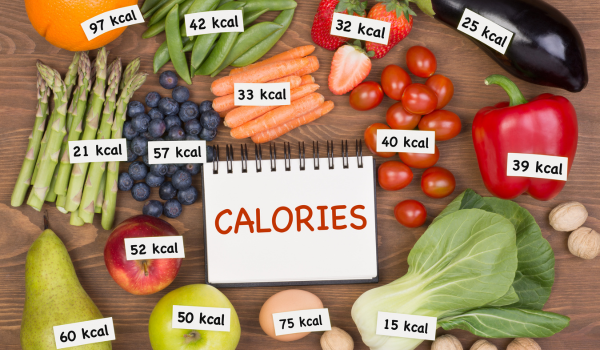
Supporting Calorie Control Naturally
Fiber-rich foods tend to be more filling while lower in calorie density.
Why Fiber Supports Sustainable Eating Habits
Fiber improves satisfaction without restriction or rigid dieting.
Common Signs Of Low Fiber Intake
Many people fall short without realizing it.
Irregular Digestion
Constipation or infrequent bowel movements may signal low fiber intake.
Frequent Hunger
Meals lacking fiber often lead to quicker hunger.
Blood Sugar Swings
Energy crashes may indicate meals low in fiber.
Limited Fruit And Vegetable Intake
Low fiber often reflects a lack of plant-based foods.
Best Sources Of Dietary Fiber
Fiber comes from a variety of whole foods.
Whole Grains
Oats, brown rice, quinoa, barley, and whole wheat products provide substantial fiber.
Fruits
Berries, apples, pears, oranges, and bananas offer fiber along with vitamins.
Vegetables
Leafy greens, broccoli, carrots, and squash contribute insoluble and soluble fiber.
Legumes
Beans, lentils, chickpeas, and peas are among the highest fiber foods.
Nuts And Seeds
Almonds, chia seeds, flaxseeds, and sunflower seeds add fiber and healthy fats.
How Much Fiber Is Generally Needed
Needs vary, but most people consume too little.
General Fiber Intake Guidelines
Most adults benefit from a daily intake that supports digestion and heart health.
Why Many Diets Fall Short
Highly processed foods contain little fiber.
Gradually Increasing Fiber Intake
Increasing fiber slowly helps prevent digestive discomfort.
The Importance Of Hydration With Fiber
Water supports fiber’s function in digestion.
Practical Ways To Add More Fiber Daily
Small changes make a meaningful difference.
Choose Whole Grains More Often
Switch refined grains for whole grain options when possible.
Add Fruits And Vegetables To Every Meal
Including produce at meals increases fiber naturally.
Include Legumes Several Times A Week
Beans and lentils are affordable, fiber-rich staples.
Snack With Fiber In Mind
Choose fruit, nuts, or whole grain snacks over processed options.
Read Nutrition Labels Carefully
Fiber content helps identify more nutritious foods.
Fiber And Long-Term Health Benefits
Fiber supports overall well-being beyond digestion.
Lower Risk Of Chronic Disease
Higher fiber intake is linked to reduced risk of heart disease, diabetes, and certain cancers.
Improved Gut-Brain Connection
A healthy gut microbiome supports mental and emotional health.
Better Nutrient Absorption
Fiber supports a healthier digestive environment for nutrient absorption.
Supporting Healthy Aging
Adequate fiber intake supports digestive and metabolic health as people age.
Building A Fiber-Rich Eating Pattern
Consistency matters more than perfection.
Focus On Variety
Different fiber sources support different health benefits.
Balance Fiber With Protein And Fats
Balanced meals improve digestion and satisfaction.
Avoid Extreme Changes
Gradual adjustments support comfort and sustainability.
Make Fiber A Habit, Not A Rule
Simple routines support long-term success.
Conclusion
Fiber plays a critical role in daily digestion, energy balance, heart health, and long-term wellness. Despite its importance, many people do not consume enough fiber due to highly processed diets. By prioritizing whole foods, increasing fiber intake gradually, and maintaining hydration, individuals can support digestive comfort and overall health without complexity. Explore more nutrition resources and take action today by making fiber a consistent part of everyday meals.














.png)
.png)

.png)



.png)
.png)

.png)

.png)
.png)
.png)
.png)
.png)
.png)



.png)
.png)
.png)
.png)
.png)
.png)



.png)
.png)

.png)


