
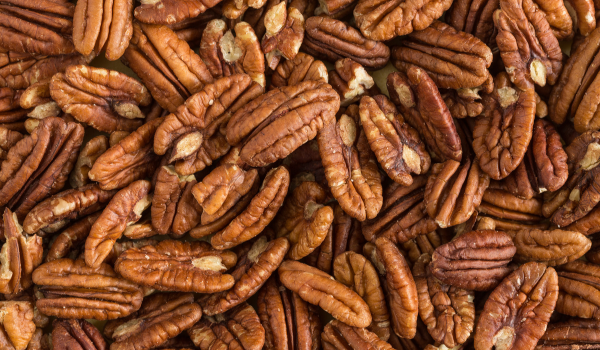
Pecans are well known for their rich, buttery flavor and are often used in both sweet and savory dishes. Beyond taste, pecans offer a wide range of health benefits thanks to their unique combination of healthy fats, fiber, antioxidants, and essential nutrients.
Adding pecans to your regular diet may support heart health, digestion, brain function, and blood sugar balance when enjoyed in moderation.
May Support Heart Health
Pecans are rich in heart-friendly fats, particularly monounsaturated and polyunsaturated fats. These healthy fats help improve cholesterol balance by lowering LDL (bad cholesterol) while supporting overall cardiovascular function.
Studies suggest that regular nut consumption may reduce inflammation and improve lipid profiles. People who include pecans in their diets often experience improvements in total cholesterol and triglyceride levels, which are key markers of heart health.
Pecans also contain antioxidants that help reduce oxidative stress, another contributor to cardiovascular disease.
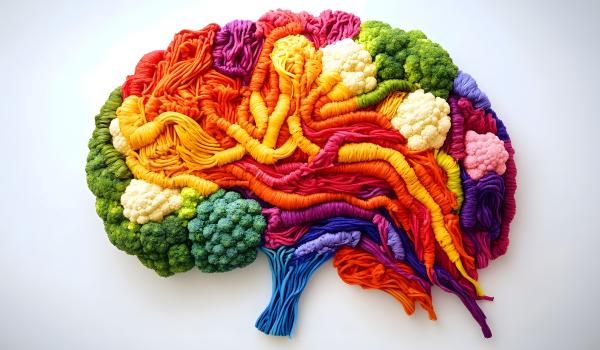
May Support Brain Health
Pecans provide nutrients that play a role in brain function, including vitamin E, B vitamins, zinc, and beneficial plant compounds. These nutrients help protect brain cells from oxidative damage and support cognitive performance over time.
Research has shown that diets rich in nuts are associated with better memory and a lower risk of cognitive decline. Regular consumption may also help protect against age-related neurological conditions.
Eating a moderate amount of pecans may support long-term brain health, especially when combined with other nutrient-dense foods.
May Improve Digestive Health
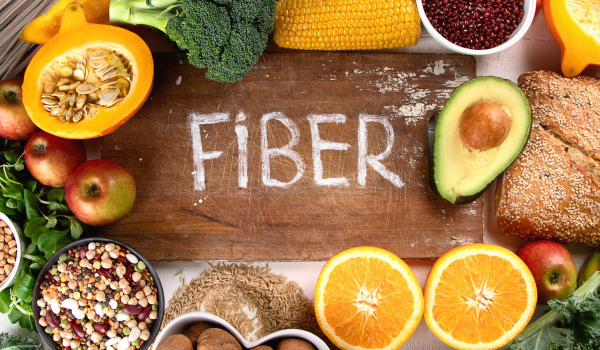
Pecans contain both soluble and insoluble fiber, which play important roles in digestion.
Soluble fiber helps feed beneficial gut bacteria and supports a balanced microbiome. Insoluble fiber adds bulk to stool, helping promote regular bowel movements and reduce constipation.
Including fiber-rich foods like pecans in your diet may also help reduce gut inflammation and support overall digestive comfort.
May Help Protect Against Chronic Disease
Pecans are rich in antioxidants, particularly flavonoids such as flavan-3-ols and anthocyanins. These compounds help protect cells from oxidative damage and inflammation.
Diets high in antioxidant-rich foods have been linked to a lower risk of conditions such as heart disease, type 2 diabetes, cognitive decline, and certain cancers.
Pecans also provide vitamin E, which supports immune function and protects cells from oxidative stress.
Supports Healthy Blood Sugar Levels
Pecans are naturally low in carbohydrates, making them a good option for people monitoring their blood sugar levels. A one-ounce serving contains under 4 grams of carbohydrates.
Their combination of healthy fats, fiber, and plant compounds helps slow digestion and improve insulin sensitivity. Research suggests that regular pecan intake may support better blood sugar control, especially in individuals with insulin resistance or metabolic concerns.
Because of these benefits, pecans can be a smart choice for low-carb or balanced eating plans.
Easy Ways to Add Pecans to Your Diet
Pecans are versatile, easy to store, and simple to include in daily meals. Some easy ways to enjoy them include:
-
Adding chopped pecans to salads or grain bowls
-
Mixing pecans into yogurt or oatmeal
-
Using pecans in baked goods such as muffins or bread
-
Adding pecans to trail mix or granola
-
Pairing pecans with fresh fruit for a balanced snack
-
Using crushed pecans as a coating for fish or chicken
-
Sprinkling roasted pecans over soups or roasted vegetables
They can be eaten raw or lightly roasted for added flavor.
The Bottom Line
Eating pecans regularly can support heart health, digestion, brain function, and blood sugar balance. Thanks to their nutrient density, even small portions can offer meaningful health benefits.
For best results, enjoy pecans in moderation—about one ounce per serving—and combine them with a variety of whole foods for a balanced, nourishing diet.











.png)
.png)

.png)


.png)
.png)

.png)
.png)
.png)
.png)
.png)
.png)
.png)



.png)
.png)
.png)
.png)
.png)
.png)



.png)
.png)

.png)


