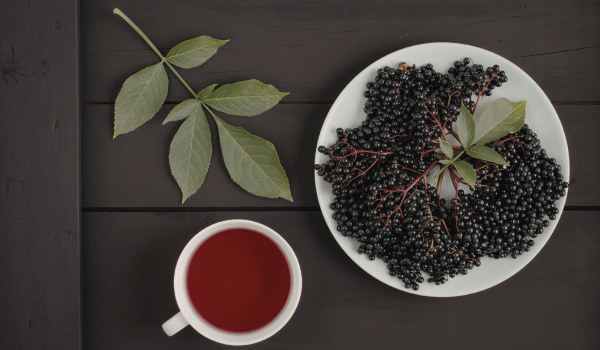
Elderberry tea is made from dried elderberries, the deep purple fruit of the European elder tree (Sambucus nigra). For centuries, elderberry has been used in traditional medicine to support immune health and ease symptoms of colds and flu. Today, it remains a popular natural remedy, available in teas, syrups, lozenges, and extracts.
Elderberry is especially valued for its antioxidant and antiviral properties, making it a common choice during cold and flu season.
Eases Cold and Flu Symptoms
Elderberry may help shorten the duration and reduce the intensity of cold and flu symptoms. Research suggests that people who take elderberry early during illness may experience faster relief.
Common symptoms that may improve include:
-
Cough
-
Nasal congestion
-
Headache
-
Fever
-
Body aches
A clinical study found that people who took elderberry extract or lozenges experienced symptom relief up to 50% faster, often within two to four days. The benefits were strongest when elderberry was taken during the early stages of illness.
Warm elderberry tea may also help soothe sore throats, ease congestion, and support hydration, which is essential when fighting infections.
Helps Prevent Viral Infections
Elderberry contains natural antiviral compounds that may help limit the ability of viruses to multiply in the body. Research suggests elderberry can interfere with the replication of certain viruses, including strains responsible for the flu.
Some studies indicate that elderberry may also help protect against respiratory infections such as bronchitis by supporting immune defense mechanisms. While much of this research focuses on elderberry extracts and juices, tea may provide similar benefits, though more studies are needed.
Has Antioxidant and Anti-Inflammatory Properties
Elderberries are rich in powerful antioxidants, including flavonoids, anthocyanins, and phenolic acids. These compounds help neutralize free radicals, reducing oxidative stress that can damage cells and contribute to chronic disease.
Elderberry also has anti-inflammatory effects, which may help reduce swelling and discomfort during infections. Some evidence suggests these properties could also support people with chronic inflammation or autoimmune conditions, though more research is still needed.
Who Should Avoid Elderberry Tea?
Elderberry may interact with certain medications, particularly those that affect the immune system. Anyone taking prescription medications should speak with a healthcare provider before consuming elderberry products.
Pregnant or breastfeeding individuals should avoid elderberry, as there is not enough research confirming its safety for these groups or for infants.
Tips for Maximizing the Benefits of Elderberry Tea
To enhance both flavor and health benefits, consider adding natural ingredients such as:
-
Honey
-
Lemon or orange slices
-
Fresh ginger
-
Cinnamon sticks
These additions may provide extra antioxidants, soothe the throat, and support immune health.








.png)
.png)

.png)


.png)
.png)

.png)
.png)
.png)
.png)
.png)
.png)
.png)



.png)
.png)
.png)
.png)
.png)
.png)




.png)
.png)

.png)