
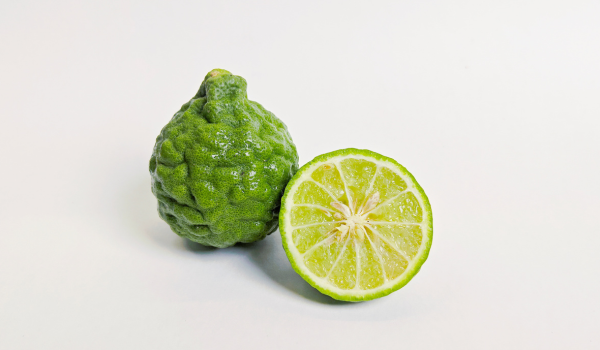
Bergamot is a citrus fruit best known for its bright aroma and use in teas, supplements, and essential oils. It is especially valued for its potential effects on heart health, blood sugar balance, and inflammation. Rich in antioxidants such as polyphenols and flavonoids, bergamot may offer several health-supporting benefits when used properly.
May Help Improve Cholesterol Levels
Bergamot may support heart health by improving cholesterol levels. Research suggests it can help lower low-density lipoprotein (LDL), often referred to as “bad” cholesterol, while increasing high-density lipoprotein (HDL), or “good” cholesterol.
These benefits are thought to come from bergamot’s high concentration of polyphenols and flavonoids. These compounds may influence cholesterol metabolism in a way similar to statin medications. Some studies suggest bergamot may even enhance the effects of statins when used together under medical supervision.
By improving lipid balance, bergamot may help reduce the risk of heart disease and support overall cardiovascular health.
May Support Healthy Blood Sugar Levels
Emerging research suggests bergamot may help regulate blood sugar levels. Some studies indicate that taking 500–1,000 milligrams of bergamot extract daily for several weeks may help lower blood glucose levels.
This effect is believed to come from bergamot’s antioxidant compounds, which may improve insulin sensitivity and glucose metabolism. While early findings are promising, human research remains limited, and more high-quality studies are needed before drawing firm conclusions.
May Help Reduce Inflammation
Bergamot contains powerful antioxidants that may help reduce inflammation throughout the body. Animal and laboratory studies suggest bergamot flavonoids can lower inflammatory markers, which may support overall metabolic and immune health.
Recent research has also explored the anti-inflammatory potential of bergamot juice and byproducts. These compounds may help manage chronic inflammation associated with conditions such as cardiovascular disease and metabolic disorders. However, further human studies are still needed.
What Is Bergamot?
Bergamot, also known as Citrus bergamia, is a citrus fruit native to southern Italy. It resembles an orange in size but has a green-to-yellow peel and a distinctly bitter flavor, making it unsuitable for eating raw.
Instead, bergamot is commonly used in teas, essential oils, supplements, and flavoring extracts. It is especially well known as the signature flavor in Earl Grey tea.
How Bergamot Supplements Work
Bergamot supplements are available in capsule, liquid, and gummy forms. Typical doses range from 500 to 1,000 milligrams daily, often taken for 4 to 12 weeks. Many standardized extracts contain 11–19% flavonoids, which are believed to contribute to their health effects.
While research supports bergamot’s potential role in cholesterol management and inflammation reduction, evidence for other uses—such as weight management or liver health—is still limited or based on small studies.
Risks To Be Aware Of
Bergamot is generally considered safe when consumed in food amounts or standard supplement doses. However, certain precautions apply:
-
High doses may increase sensitivity to sunlight
-
Topical use may cause skin irritation or discoloration
-
People allergic to citrus or lavender may experience allergic reactions
-
Those taking diabetes medications should consult a healthcare provider, as bergamot may lower blood sugar
There is limited safety data for pregnant or breastfeeding individuals, so supplementation should be avoided unless approved by a healthcare professional.
Tips For Using Bergamot Safely
There are several ways to incorporate bergamot into your routine:
-
Bergamot tea: Often found in Earl Grey, it provides a mild citrus flavor
-
Bergamot juice: Can be diluted with water or mixed into mocktails
-
Bergamot extract: Taken orally in capsule or liquid form
-
Essential oil: Used aromatically or diluted for topical use
When using essential oil, always dilute it with a carrier oil such as jojoba or almond oil. Never ingest essential oils unless specifically formulated for internal use.
What It May Help With
Some people use bergamot aromatherapy to help with relaxation, stress, mood balance, or sleep. While early findings suggest potential benefits, strong scientific evidence is still limited.
Bergamot oil is also commonly used in skincare, perfumes, and wellness products due to its fresh citrus scent and soothing properties.















.png)
.png)
.png)


.png)
.png)

.png)

.png)
.png)
.png)
.png)
.png)
.png)



.png)
.png)
.png)
.png)
.png)
.png)




.png)
.png)

.png)


