
.png)
Calories are often misunderstood, feared, or overly monitored in modern nutrition culture. Many people associate calories with weight gain, restriction, or guilt, which can create an unhealthy relationship with food. In reality, calories are simply a measure of energy, and the body needs them to function properly. Understanding calories without obsessing over numbers allows people to eat more intuitively, maintain energy levels, and support long-term health. This guide explains how calories work, why they matter, and how to approach them in a balanced and stress-free way.
What Calories Really Are
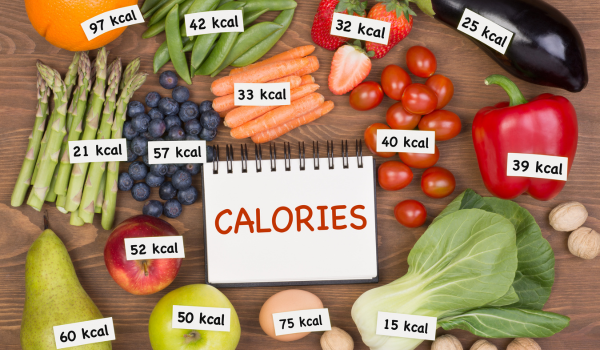
Calories are units of energy that fuel the body.
Calories As Energy Units
Calories measure the amount of energy food provides. This energy powers breathing, movement, digestion, and every function required to stay alive.
How The Body Uses Calories
Calories support basic functions such as heart rate, body temperature, brain activity, and physical movement.
Calories Are Not The Enemy
Without enough calories, the body cannot function properly. Energy restriction often leads to fatigue, irritability, and nutrient deficiencies.
Why Calorie Needs Differ Between Individuals
Age, body size, activity level, metabolism, and overall health all influence calorie needs.
Why Counting Calories Is Not Always Necessary
Tracking calories can be helpful for some, but unnecessary for many.
Calorie Counting Can Increase Stress
Constant tracking may lead to anxiety, guilt, or an unhealthy relationship with food.
Numbers Do Not Reflect Food Quality
Two foods with the same calories can affect the body very differently depending on nutrients.
Hunger And Fullness Are Valuable Signals
Listening to internal cues often provides better guidance than external numbers.
Long-Term Habits Matter More Than Daily Totals
Consistent eating patterns have a greater impact than occasional high- or low-calorie days.
The Quality Of Calories Matters More Than The Quantity
Not all calories support health equally.
Nutrient-Dense Foods Provide More Value
Foods rich in vitamins, minerals, fiber, and protein support overall wellness beyond energy alone.
Empty Calories Offer Little Nutrition
Highly processed foods often provide energy without supporting health.
Whole Foods Promote Natural Balance
Fruits, vegetables, whole grains, proteins, and healthy fats offer more satiety and nourishment.
Food Structure Influences Satiety
Fiber, protein, and fats slow digestion and help maintain fullness.
Understanding Energy Balance Without Obsession
Energy balance does not require strict tracking.
Energy Intake And Energy Use
Weight stability occurs when energy intake and expenditure are generally balanced over time.
Daily Fluctuations Are Normal
Calorie needs vary day to day based on activity, stress, and sleep.
Short-Term Changes Do Not Define Progress
One meal or one day does not determine long-term health outcomes.
Consistency Over Precision
Maintaining balanced habits matters more than hitting exact numbers.
How Appetite Signals Help Regulate Calories Naturally
The body has built-in regulation systems.
Hunger Signals When Energy Is Needed
Hunger is a biological signal, not a flaw or weakness.
Fullness Signals When To Stop Eating
Learning to recognize comfortable fullness supports balance.
Disruptors Of Natural Hunger Cues
Stress, lack of sleep, and distraction can interfere with hunger awareness.
Rebuilding Trust With Hunger And Fullness
Mindful eating helps reconnect with natural appetite signals.
Why Some Calories Feel More Satisfying Than Others
Satiety depends on more than calorie count.
Protein Increases Fullness
Protein slows digestion and helps regulate appetite hormones.
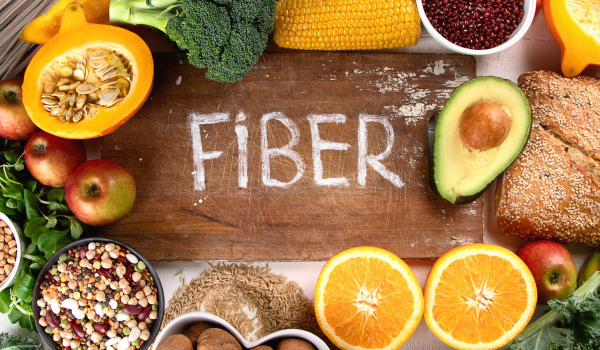
Fiber Adds Volume Without Excess Energy
Fiber-rich foods increase fullness without excessive calories.
Healthy Fats Enhance Satisfaction
Fats improve flavor and prolong feelings of fullness.
Food Combinations Matter
Balanced meals reduce cravings and stabilize energy.
The Role Of Calories In Different Lifestyles
Calorie needs change with lifestyle factors.
Active Lifestyles Require More Energy
Physical activity increases calorie requirements for recovery and performance.
Sedentary Lifestyles Still Require Fuel
Even without exercise, the body needs energy for essential functions.
Stress And Sleep Affect Energy Needs
Poor sleep and stress can increase hunger and alter metabolism.
Life Stages Influence Calorie Needs
Growth, aging, pregnancy, and recovery all affect energy requirements.
How To Build A Healthy Relationship With Calories
A healthy mindset supports long-term well-being.
Shift From Control To Awareness
Understanding food without rigid control encourages sustainability.
Avoid Labeling Foods As Good Or Bad
Moral judgments around food often lead to unhealthy behaviors.
Focus On Nourishment Over Numbers
Eating to feel energized and satisfied supports better health outcomes.
Practice Flexibility And Self-Compassion
Health includes mental well-being, not just nutritional precision.
Signs You Are Eating Enough Without Overeating
Balance feels natural, not forced.
Stable Energy Levels Throughout The Day
Consistent energy suggests appropriate intake.
Comfortable Digestion
Regular digestion indicates balanced eating habits.
Reduced Cravings And Binge Urges
Adequate nourishment helps prevent overeating cycles.
Improved Mood And Focus
Proper fueling supports emotional and cognitive stability.
Building Sustainable Eating Habits Without Counting Calories
Simple strategies support long-term success.
Eat Regular Meals
Spacing meals evenly helps regulate hunger.
Include Protein, Fiber, And Fat At Meals
Balanced meals naturally regulate appetite.
Choose Foods You Enjoy And Can Maintain
Sustainability matters more than perfection.
Allow Flexibility Without Guilt
Enjoyment is part of a healthy lifestyle.
Conclusion
Understanding calories does not require obsession or constant tracking. Calories represent energy, not morality or success. By focusing on food quality, listening to hunger cues, and maintaining flexible eating habits, individuals can support health without stress or restriction. Balanced eating is about consistency, nourishment, and enjoyment over time. Explore more nutrition insights and continue building a healthy relationship with food that supports both body and mind.












.png)
.png)
.png)


.png)
.png)

.png)

.png)
.png)
.png)
.png)
.png)
.png)



.png)
.png)
.png)
.png)
.png)
.png)


.png)
.png)

.png)


