.png)
Protein is often associated with athletes and muscle building, but its importance goes far beyond fitness goals. Protein plays a vital role in daily energy, physical function, recovery, and overall health. Every cell in the body relies on protein to operate properly, making it an essential part of daily nutrition for people of all ages and activity levels. Understanding how protein supports energy and muscle health helps create balanced eating habits that promote strength, resilience, and long-term well-being.
Why Protein Is Essential For The Human Body
Protein supports nearly every system in the body.
Protein As A Building Block
Protein is essential for building and repairing tissues, including muscles, skin, hair, and internal organs. It provides structure and strength throughout the body.
Protein And Enzyme Production
Many enzymes and hormones are made from protein, allowing the body to regulate digestion, metabolism, and cellular communication.
Protein Supports Immune Function
Antibodies that protect against illness are protein-based, making adequate intake important for immune health.
Protein And Daily Maintenance
The body continuously breaks down and rebuilds protein, requiring a steady intake to maintain normal function.
How Protein Supports Daily Energy Levels
Protein plays an important role in sustaining energy throughout the day.
Protein Helps Stabilize Blood Sugar
When protein is consumed with carbohydrates, it slows digestion and helps prevent sharp rises and drops in blood sugar.
Longer-Lasting Energy
Protein provides a steady energy release compared to refined carbohydrates, helping reduce mid-day energy crashes.
Reduced Fatigue Through Nutrient Support
Protein supports enzymes and metabolic pathways involved in energy production.
Balanced Meals Improve Endurance
Meals that include protein tend to support consistent physical and mental stamina.
Protein And Muscle Health
Muscle tissue depends heavily on protein intake.
Muscle Maintenance And Repair
Protein supplies amino acids needed to repair muscle fibers after daily activity or exercise.
Preventing Muscle Loss
Adequate protein helps maintain muscle mass, especially during aging or periods of reduced activity.
Supporting Strength And Mobility
Muscle strength supports balance, mobility, and overall physical independence.
Protein And Recovery
After physical exertion, protein supports tissue repair and reduces muscle soreness.
Protein Needs Across Different Life Stages
Protein requirements change throughout life.
Children And Adolescents
Protein supports growth, development, and tissue formation.
Adults With Active Lifestyles
Higher activity levels increase protein needs to support muscle repair and energy demands.
Older Adults
Adequate protein intake helps slow muscle loss and maintain strength with aging.
During Recovery Or Stress
Illness, injury, or stress increases protein needs for healing and recovery.
Sources Of High-Quality Protein
Protein can come from both animal and plant sources.
Animal-Based Protein Sources
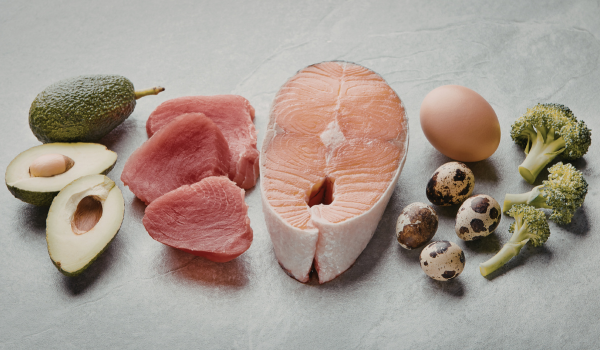
Lean meats, poultry, fish, eggs, and dairy provide complete proteins with all essential amino acids.
Plant-Based Protein Sources
Beans, lentils, tofu, tempeh, nuts, seeds, and whole grains provide valuable plant-based protein.
Combining Plant Proteins
Combining different plant foods can provide a complete amino acid profile.
Choosing Quality Over Quantity
Whole, minimally processed protein sources offer additional nutrients beyond protein.
How Much Protein Does The Body Need?
Protein needs vary based on individual factors.
General Protein Guidelines
Most people benefit from distributing protein evenly throughout the day.
Factors That Affect Protein Needs
Age, activity level, body composition, and health status influence requirements.
Protein Distribution Matters
Consuming protein at each meal supports muscle maintenance and energy stability.
Listening To Body Signals
Hunger, energy levels, and recovery can guide protein intake needs.
Protein And Weight Management
Protein supports healthy weight management.
Promotes Fullness And Satiety
Protein increases feelings of fullness, reducing overeating.
Supports Lean Muscle During Weight Loss
Maintaining muscle helps preserve metabolism during calorie reduction.
Reduces Unnecessary Snacking
Balanced protein intake stabilizes hunger between meals.
Encourages Sustainable Eating Patterns
Protein-rich meals support long-term adherence to healthy habits.
Common Misconceptions About Protein
Understanding protein helps avoid common myths.
More Protein Is Not Always Better
Excessive protein does not automatically improve health and may displace other nutrients.
Protein Is Not Only For Athletes
Everyone benefits from adequate protein, not just physically active individuals.
Plant Proteins Are Not Inferior
Well-planned plant-based diets can fully meet protein needs.
Protein Alone Does Not Build Muscle
Muscle growth requires physical activity in addition to adequate protein intake.
Balancing Protein With Other Nutrients
Protein works best as part of a balanced meal.
Combining Protein With Carbohydrates
This combination supports energy and muscle recovery.
Including Healthy Fats
Fats enhance nutrient absorption and meal satisfaction.
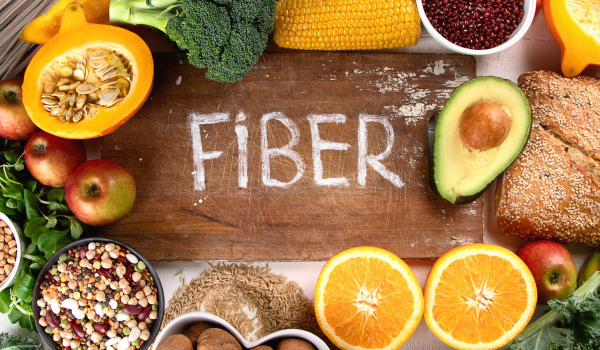
Fiber Supports Digestive Health
Fiber-rich foods complement protein by improving digestion.
Balanced Meals Improve Overall Nutrition
A mix of macronutrients supports long-term health and energy.
Practical Ways To Include Protein Daily
Simple habits make protein intake easier.
Include Protein At Every Meal
Even small amounts contribute to daily needs.
Plan Snacks With Protein
Pair protein with fruits or whole grains for sustained energy.
Choose Versatile Protein Sources
Foods like eggs, yogurt, beans, and fish are easy to prepare.
Adjust Intake Based On Activity
Higher activity levels may require slightly more protein.
Long-Term Benefits Of Adequate Protein Intake
Protein supports health beyond muscles.
Improved Body Composition
Maintaining muscle supports metabolism and physical function.
Better Bone Health
Protein contributes to bone strength when combined with minerals.
Improved Recovery And Resilience
Protein helps the body adapt to stress and physical demands.
Support For Healthy Aging
Consistent protein intake supports independence and mobility over time.
Conclusion
Protein plays a vital role in daily energy, muscle health, and overall well-being. By including adequate protein from varied sources, the body can maintain strength, stability, and resilience throughout life. Rather than focusing on extremes, balanced and consistent protein intake supports sustainable health and daily performance. Explore more nutrition insights to continue building habits that nourish both body and mind.













.png)
.png)
.png)


.png)
.png)

.png)
.png)
.png)
.png)
.png)
.png)
.png)



.png)
.png)
.png)
.png)
.png)
.png)


.png)
.png)

.png)