.png)
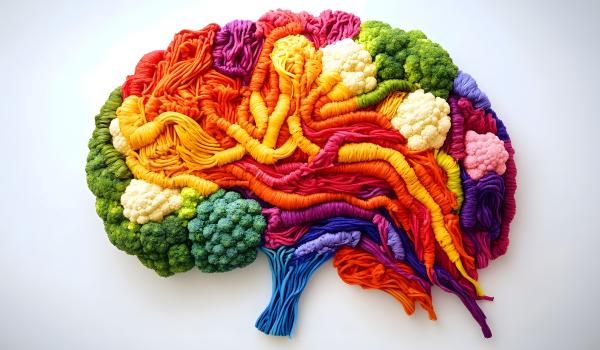
The idea that “you are what you eat” extends far beyond physical health. In recent years, research has shown a powerful link between the gut and the brain — a communication system known as the gut–brain axis. This connection helps explain why certain foods make you feel calmer, clearer, or more emotionally balanced, while others may leave you anxious, irritable, or mentally drained.
This article explores how your gut influences emotional well-being and which foods may support a more stable, resilient mood.
How the Gut–Brain Axis Shapes Your Emotions
The gut is often called the “second brain.”
It contains millions of neurons and produces many of the same neurotransmitters found in the brain — including serotonin, dopamine, and GABA, all of which play important roles in mood regulation.
How communication happens:
-
Through the vagus nerve (a long nerve connecting gut + brain)
-
Through immune pathways
-
Through neurotransmitters
-
Through hormones such as cortisol
-
Through gut bacteria (microbiome)
When the gut is balanced, signals sent to the brain tend to support calmness, emotional stability, and clearer thinking. When the gut is irritated or imbalanced, emotional disturbances can become more noticeable.
The Role of Gut Bacteria in Mental and Emotional Health
Inside your digestive system live trillions of microorganisms — collectively known as the microbiome. These tiny organisms help break down food, produce vitamins, and influence inflammation levels.
But they also affect your mind.
Healthy gut bacteria may support:
-
Smoother emotional responses
-
Better stress tolerance
-
Improved focus
-
More stable mood throughout the day
On the other hand, poor gut balance may be associated with:
-
Irritability
-
Brain fog
-
Anxiety-like feelings
-
Stress sensitivity
-
Digestive discomfort that affects mood
Diet is one of the biggest influences on your microbiome, which means what you eat has a direct impact on how your emotional system feels and reacts.
Inflammation and Emotional Sensitivity
Gut inflammation can influence the brain through chemical messengers, affecting stress levels and emotional comfort.
Foods that may contribute to inflammation include:
-
Highly processed foods
-
Fried foods
-
Foods high in refined sugar
-
Excess alcohol
-
Artificial sweeteners for some individuals
When these foods are eaten regularly, inflammation may affect overall well-being, potentially making emotional fluctuations more noticeable. Choosing foods that support gut comfort may help you feel steadier throughout the day.
Foods That Support a Healthy Gut–Brain Relationship
What you eat can help nourish your gut and, in turn, support your emotional balance. Below are foods that may be beneficial.
Probiotic-Rich Foods for Mood Support
Probiotics are beneficial bacteria that may help maintain gut balance.
Helpful sources include:
-
Yogurt with live cultures
-
Kefir
-
Kimchi
-
Sauerkraut
-
Miso
-
Tempeh
-
Kombucha
These foods may help maintain healthy digestion and send supportive signals through the gut–brain axis.
Prebiotic Foods That Feed Good Gut Bacteria
Probiotics need prebiotics — fibers that act as food for beneficial bacteria.
Good prebiotic foods include:
-
Bananas
-
Garlic
-
Onions
-
Leeks
-
Asparagus
-
Oats
-
Apples
-
Chicory root
-
Beans and lentils
These ingredients help healthy bacteria thrive, which may contribute to steadier mood and emotional comfort.
Fiber-Rich Foods for Better Digestive Balance
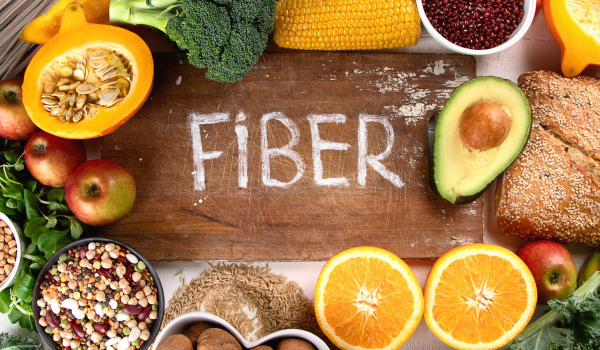
Fiber helps regulate digestion, prevent constipation, and support microbial diversity.
Great fiber sources:
-
Whole grains
-
Beans
-
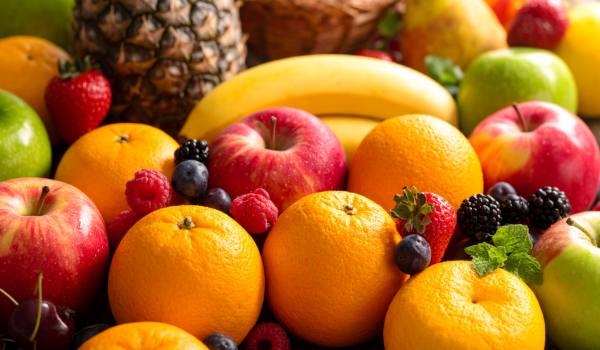
Fruits (especially berries, pears, apples)
-
Vegetables (broccoli, carrots, leafy greens)
-
Nuts and seeds
A steady intake of fiber may support emotional balance by keeping the gut functioning smoothly.
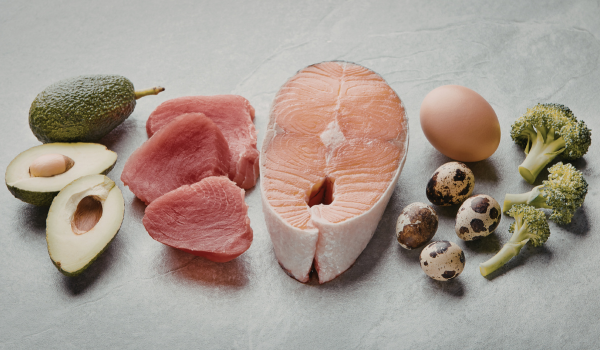
Omega-3 Fatty Acids and Brain Communication
Omega-3s support brain function and may help regulate inflammation.
Foods rich in omega-3s include:
-
Salmon
-
Sardines
-
Mackerel
-
Walnuts
-
Chia seeds
-
Flaxseeds
These foods are known to nourish both the gut and the brain, supporting sharper thinking and more stable emotional responses.
Fermented Drinks and Their Calming Potential
Certain fermented beverages contain probiotic cultures that may support gut–brain communication.
Examples:
-
Kombucha
-
Kefir water
-
Fermented herbal drinks
These beverages may support digestion, which indirectly helps emotional steadiness.
Antioxidant-Rich Foods for Reduced Gut Stress
Antioxidants help the body manage oxidative stress, which may influence the gut–brain axis.
Helpful antioxidant foods include:
-
Berries (blueberries, raspberries, strawberries)
-
Dark leafy greens
-
Green tea
-
Nuts
-
Tomatoes
-
Dark chocolate (in moderation)
These foods may help the body feel calmer and more balanced.
Hydration and Gut-Brain Comfort
Hydration is often overlooked in emotional health.
Even mild dehydration may contribute to:
-
Irritability
-
Tension
-
Difficulty concentrating
-
Stress sensitivity
Drinking water regularly can support both gut comfort and emotional clarity.
Foods to Limit for a More Stable Mood
Some foods may not directly “cause” emotional issues, but they may contribute to gut imbalance or irritation.
Foods worth limiting include:
-
Sugary snacks
-
Energy drinks
-
Alcohol
-
Processed meats
-
Fried foods
-
Excess artificial sweeteners
-
Very greasy meals
Reducing these foods may help create a calmer internal environment.
How Eating Habits Influence Emotional Balance
What you eat matters, but how you eat matters too.
Helpful habit changes include:
-
Eating slowly
-
Not skipping meals
-
Avoiding overeating at night
-
Including balanced meals with protein + fiber + healthy fats
-
Eating at consistent times
-
Avoiding heavy meals during stress
These habits support digestion and may help keep emotional reactions more stable throughout the day.
Listening to Your Body’s Signals
Your gut often signals discomfort before your emotions change. Pay attention to signs like:
-
Bloating
-
Irregular bowel habits
-
Cramping
-
Fatigue after meals
-
Intolerance to certain foods
Supporting gut comfort can contribute to improved emotional well-being.
Conclusion
The gut and brain are deeply connected, and the way you eat can influence how you feel emotionally. By choosing foods that support gut health — including probiotics, prebiotics, fiber, antioxidants, and omega-3 fats — you may promote steadier mood, better stress tolerance, and improved comfort throughout the day. Small, consistent changes can help build a calmer, more resilient internal state.
Explore more nutrition insights on Health365s to support both physical and emotional well-being.





.png)
.png)

.png)



.png)
.png)

.png)
.png)
.png)
.png)
.png)
.png)
.png)



.png)
.png)
.png)
.png)
.png)
.png)


.png)
.png)

.png)