.png)
Many people eat enough calories but still fall short on essential nutrients. This happens when meals are high in energy but low in vitamins, minerals, fiber, and beneficial compounds. Over time, this imbalance can affect energy levels, digestion, immunity, and overall well-being. Recognizing the signs of insufficient nutrient intake can help identify gaps in the diet and guide healthier food choices that support long-term vitality.
What Nutrient-Dense Foods Really Are
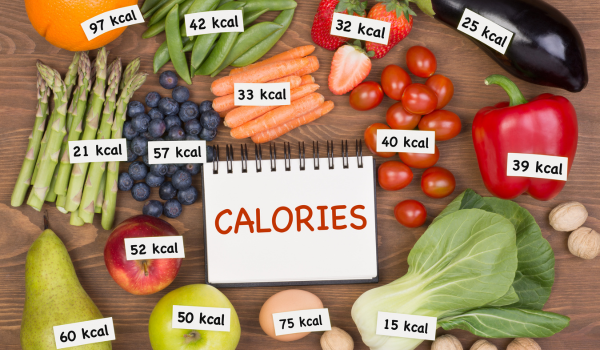
Nutrient-dense foods provide a high amount of essential nutrients relative to their calorie content.
Nutrients That Support Daily Function
These foods supply vitamins, minerals, antioxidants, fiber, and beneficial plant compounds that support bodily systems.
Calories Versus Nutrition
Not all calories contribute equally to health. Foods high in refined sugars or fats may provide energy but little nutritional value.
Examples Of Nutrient-Dense Foods
Vegetables, fruits, whole grains, legumes, lean proteins, nuts, and seeds are rich in nutrients that support overall health.
Why Nutrient Density Matters
Consistently choosing nutrient-dense foods supports energy, immunity, and long-term health outcomes.
Constant Fatigue Or Low Energy Levels
Low energy is often one of the earliest signs of poor nutrition.
Energy Production Requires Nutrients
Vitamins such as B-complex and minerals like iron and magnesium play key roles in energy metabolism.
Empty Calories Can Lead To Energy Crashes
Highly processed foods provide short-lived energy followed by fatigue.
Nutrient Gaps Affect Daily Performance
Without adequate micronutrients, the body struggles to convert food into usable energy.
Stable Energy Reflects Balanced Nutrition
Consistent energy throughout the day often indicates adequate nutrient intake.
Frequent Hunger Or Cravings
Hunger patterns can signal nutritional imbalance.
Lack Of Satiety From Low-Nutrient Foods
Foods low in fiber and protein digest quickly, leading to frequent hunger.
Cravings May Indicate Missing Nutrients
Cravings for salty or sugary foods can reflect unmet nutritional needs.
Blood Sugar Fluctuations
Low fiber and protein intake can cause rapid blood sugar changes, increasing cravings.
Nutrient-Dense Meals Support Fullness
Meals rich in fiber, protein, and healthy fats promote lasting satisfaction.
Digestive Issues And Irregularity
Digestive health depends heavily on nutrient quality.
Low Fiber Intake Affects Digestion
Insufficient fiber can cause constipation or irregular bowel movements.
Gut Bacteria Depend On Nutrient Diversity
A varied diet supports beneficial gut microbes essential for digestion.
Poor Digestion Can Affect Nutrient Absorption
Imbalanced diets may reduce the body’s ability to absorb nutrients efficiently.
Regular Digestion Signals Nutritional Balance
Consistent digestive patterns often reflect adequate fiber and hydration.
Frequent Illness Or Slow Recovery
Nutrition strongly influences immune health.
Micronutrients Support Immune Defense
Vitamins A, C, D, zinc, and iron play vital roles in immune function.
Poor Nutrition Weakens Immunity
Lack of key nutrients may increase susceptibility to illness.
Slower Healing And Recovery
Inadequate protein and micronutrients can delay recovery from illness or injury.
Balanced Nutrition Enhances Resilience
Consistent intake of nutrient-dense foods supports faster recovery and stronger immunity.
Changes In Skin, Hair, Or Nails
External signs often reflect internal nutrition.
Dry Or Dull Skin
Insufficient healthy fats and vitamins can affect skin hydration and appearance.
Brittle Nails Or Hair Thinning
Low intake of protein, iron, or zinc may weaken hair and nails.
Slow Wound Healing
Poor nutrient intake can impair tissue repair.
Healthy Appearance Reflects Internal Balance
Nutrient-rich diets often support stronger hair, skin, and nails.
Difficulty Concentrating Or Brain Fog
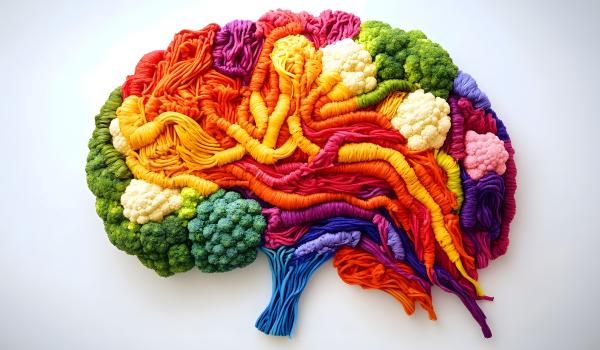
Mental clarity depends on adequate nutrition.
Brain Function Requires Key Nutrients
Omega-3 fats, B vitamins, and antioxidants support cognitive health.
Low Blood Sugar Affects Focus
Inconsistent meals or nutrient-poor foods can lead to mental fatigue.
Hydration Also Plays A Role
Even mild dehydration can impact concentration.
Improved Nutrition Enhances Mental Performance
Balanced meals support clearer thinking and better focus.
Mood Changes And Emotional Fluctuations
Nutrition influences emotional well-being.
Nutrients Support Neurotransmitter Function
Certain vitamins and minerals help regulate mood-related brain chemicals.
Unstable Blood Sugar Can Affect Mood
Rapid changes in blood sugar may lead to irritability or low mood.
Food Quality Influences Emotional Stability
Whole foods support more consistent mood regulation.
Balanced Nutrition Supports Emotional Resilience
Proper nourishment helps the body respond better to stress.
Poor Physical Performance Or Recovery
Physical performance depends on adequate nutrition.
Low Energy During Activity
Insufficient nutrients reduce stamina and endurance.
Delayed Muscle Recovery
Protein and micronutrients are necessary for tissue repair.
Increased Fatigue After Activity
Poor recovery may signal inadequate nutrient intake.
Improved Performance With Balanced Nutrition
Adequate fueling supports strength, mobility, and endurance.
How To Improve Nutrient Density In Daily Meals
Small changes can make a big difference.
Prioritize Whole Foods
Choosing minimally processed foods increases nutrient intake.
Add Variety To Your Plate
Different colors and food groups provide diverse nutrients.
Balance Meals With Protein, Fiber, And Healthy Fats
Balanced meals support sustained energy and fullness.
Plan Meals With Intention
Simple planning helps maintain consistency without restriction.
Building Long-Term Nutritional Balance
Sustainable habits lead to lasting health.
Focus On Progress, Not Perfection
Consistency matters more than flawless eating.
Listen To Your Body’s Signals
Hunger, energy, and digestion provide valuable feedback.
Avoid Over-Restriction
Balance encourages long-term adherence.
Make Nutrition Enjoyable
Enjoyable meals support lasting healthy habits.
Conclusion
Not getting enough nutrient-dense foods can quietly affect energy, digestion, mood, and overall well-being. Recognizing the signs of nutrient gaps allows for meaningful adjustments that support better health. By prioritizing whole, nutrient-rich foods and maintaining balanced eating habits, individuals can improve daily function and long-term wellness. Explore more nutrition insights to continue building a healthier and more nourishing lifestyle.















.png)
.png)

.png)


.png)
.png)

.png)

.png)
.png)
.png)
.png)
.png)
.png)



.png)
.png)
.png)
.png)
.png)
.png)



.png)
.png)

.png)