
.png)
Pregnancy is one of the most transformative stages in a woman’s life, requiring more nutrients than at any other time. A developing baby depends entirely on the mother’s diet for energy, growth, and organ formation. What a woman eats during pregnancy influences the baby’s brain development, bone strength, immune system, and long-term health. At the same time, good nutrition supports the mother’s energy levels, reduces pregnancy discomforts, and lowers the risk of complications. This guide explores the essential nutrients, recommended foods, and practical eating habits that help pregnant women stay healthy while nourishing their growing baby.
Understanding The Nutritional Needs During Pregnancy
Pregnancy increases the demand for specific nutrients that play a crucial role in fetal development and the mother’s well-being.
Higher Calorie Needs For Baby’s Growth
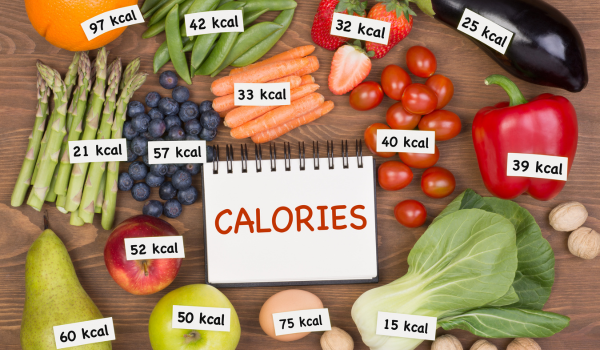
While pregnancy does not mean “eating for two,” calorie needs do rise gradually. Extra calories help support the baby’s growth, the placenta, and increased blood volume. Most women only need 300–450 additional calories during the second and third trimesters.
Increased Demand For Vitamins And Minerals
Pregnancy increases the need for folate, iron, calcium, vitamin D, and omega-3 fatty acids. These nutrients support the formation of the baby’s brain, bones, and organs and help prevent developmental complications.
Digestive Changes And Nutrient Absorption
Hormonal changes may slow digestion, making hydration and fiber intake especially important. Some nutrients—particularly iron and calcium—may require higher intake due to changes in absorption rates.
Supporting The Immune System And Energy Levels
Pregnancy can weaken immunity, making nutrient-rich foods essential for maintaining strength and preventing illness. A balanced diet supports sustained energy and reduces fatigue.
Essential Nutrients Pregnant Women Need
A nutrient-rich diet ensures proper development for the baby and supports the mother’s health throughout all trimesters.
Folate And Folic Acid For Neural Tube Development
Folate is essential in the first month of pregnancy when the neural tube forms. Low folate levels increase the risk of birth defects. Leafy greens, avocados, beans, and fortified cereals are excellent sources. Most prenatal vitamins include folic acid to meet daily requirements.
Iron For Blood Production And Oxygen Delivery
During pregnancy, blood volume increases by almost 50 percent. Iron helps produce hemoglobin to carry oxygen to the baby. Lean meats, legumes, spinach, and fortified grains support iron needs. Iron deficiency can lead to fatigue, dizziness, and anemia.
Calcium For Bones And Teeth Formation
Calcium supports the baby’s bones and teeth. If the mother does not consume enough calcium, the body may draw from her bones. Milk, yogurt, cheese, leafy greens, and fortified plant milks provide excellent calcium sources.
Vitamin D For Bone And Immune Health
Vitamin D helps the body absorb calcium and supports immunity. Sunlight, fatty fish, eggs, and fortified foods contribute to healthy vitamin D levels. Many pregnant women may require supplementation after consulting with a healthcare provider.
Protein For Tissue And Muscle Growth
Protein helps build fetal tissue, placenta, and maternal muscle. Eggs, fish, poultry, tofu, beans, lentils, and dairy offer high-quality protein. Most pregnant women need 70–100 grams per day depending on their weight and activity level.
Omega-3 Fatty Acids For Brain And Vision Development
Omega-3s—particularly DHA—support fetal brain and eye development. Salmon, sardines, walnuts, chia seeds, and flaxseeds are excellent sources. DHA is often included in prenatal supplements.
Fiber For Digestion And Blood Sugar Control
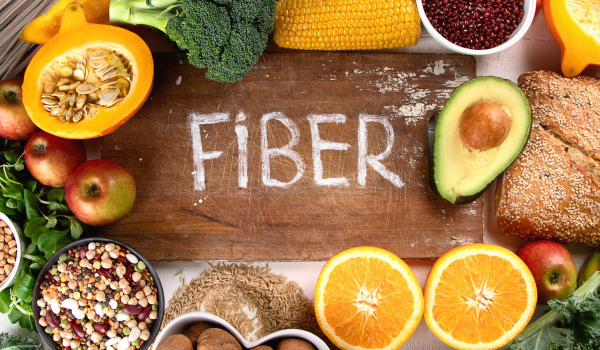
Fiber supports healthy digestion, helps prevent constipation, and stabilizes blood sugar. Whole grains, fruits, vegetables, and legumes should be included daily.
Iodine For Thyroid And Brain Development
Iodine supports thyroid function and cognitive development. Iodized salt, dairy products, and seafood provide healthy iodine levels.
Healthy Foods That Support Pregnancy
Eating a variety of whole foods provides all essential nutrients while promoting steady energy and a strong immune system.
Colorful Fruits And Vegetables
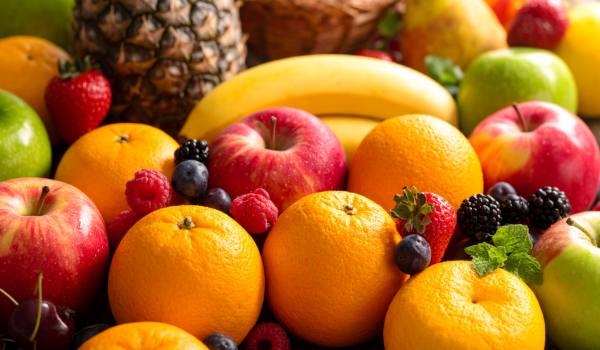
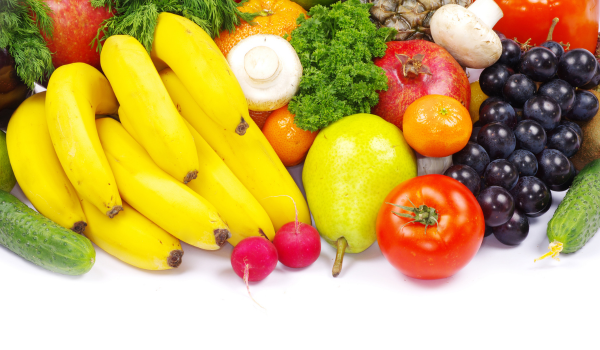
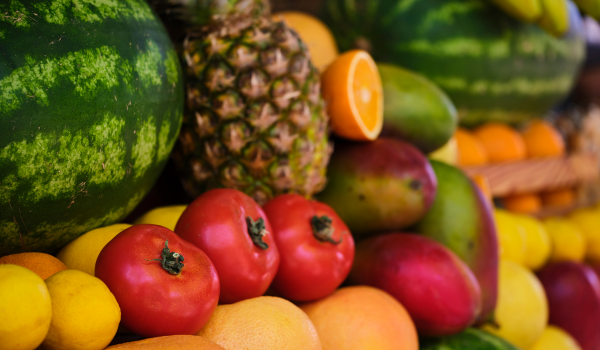
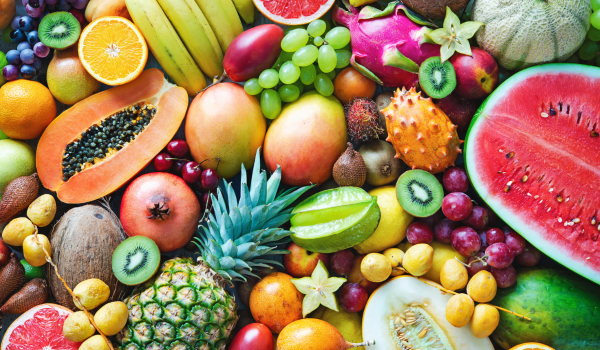
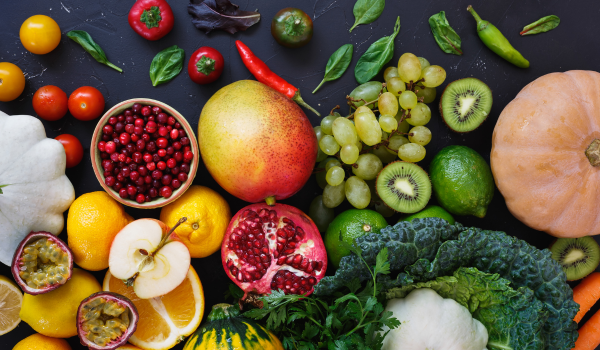
Berries, oranges, bananas, leafy greens, carrots, sweet potatoes, and tomatoes supply vitamins, minerals, fiber, and antioxidants. These foods help prevent inflammation and support fetal development.
Lean Proteins For Daily Strength
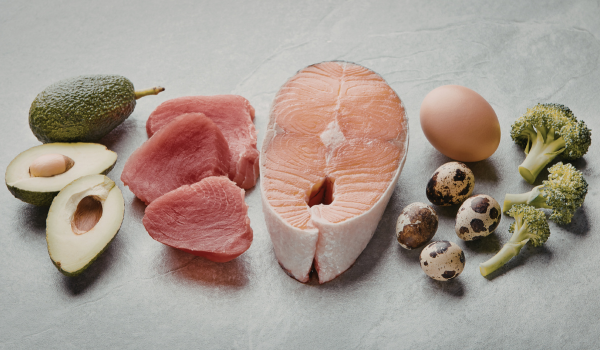
Eggs, chicken, turkey, lean beef, tofu, beans, lentils, and fish provide high-quality protein. Eggs also contain choline, which supports the baby’s brain development.
Dairy And Fortified Alternatives
Milk, yogurt, and cottage cheese supply calcium, protein, and B vitamins. Fortified soy, almond, or oat milk are good alternatives for lactose-intolerant women.
Whole Grains For Sustained Energy
Oats, quinoa, whole wheat bread, brown rice, and barley stabilize energy levels and support digestion. Their fiber content helps manage gestational diabetes risk.
Healthy Fats For Hormone Balance
Avocados, nuts, seeds, and olive oil provide healthy fats for hormone production and nutrient absorption.
Hydrating Foods And Fluids
Water-rich foods like cucumbers, watermelon, oranges, and soups help maintain hydration—a crucial part of pregnancy health.
Foods And Habits To Limit During Pregnancy
Consuming certain foods increases the risk of infections, complications, or developmental issues. Avoiding them helps ensure a safe pregnancy.
Alcohol And Tobacco
Alcohol should be completely avoided as it can cause fetal alcohol spectrum disorders. Smoking increases the risk of premature birth and low birth weight.
High-Mercury Fish
Shark, swordfish, king mackerel, and tilefish contain high levels of mercury that may harm fetal brain development. Opt for salmon, sardines, and trout instead.
Unpasteurized Foods
Raw milk, soft cheeses, and unpasteurized juices may contain harmful bacteria. Pasteurized options are safer for pregnant women.
Raw Or Undercooked Meats And Eggs
Raw fish, sushi, rare beef, and runny eggs increase the risk of foodborne illness. All protein sources should be cooked thoroughly.
Excessive Caffeine
High caffeine intake may affect fetal growth. Most guidelines recommend limiting caffeine to 200 mg per day.
Highly Processed Foods
Sugary snacks, fast food, and high-sodium meals contribute to excessive weight gain and poor blood sugar control.
Practical Nutrition Strategies For Pregnant Women
Developing healthy habits makes it easier to meet nutrient needs and feel energized throughout pregnancy.
Eat Balanced Meals With All Food Groups
A balanced plate includes protein, whole grains, healthy fats, and fruits or vegetables. This supports stable energy and essential nutrient intake.
Prioritize Small, Frequent Meals
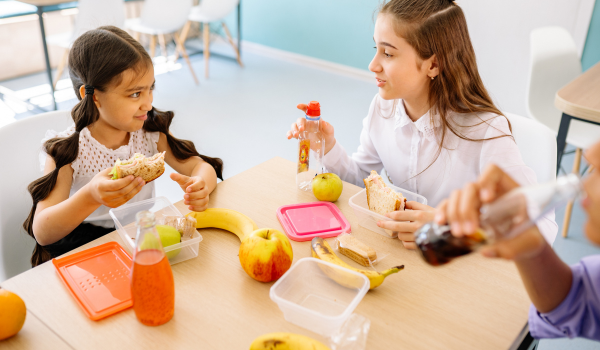
Small meals help manage nausea, acid reflux, and fluctuating appetite. Eating every 2–3 hours ensures steady blood sugar levels.
Choose Nutrient-Dense Snacks
Healthy snack ideas include yogurt with fruit, nut butter on whole-grain toast, vegetable sticks with hummus, or a handful of nuts.
Stay Hydrated Consistently
Pregnant women need more fluids to support increased blood volume. Drinking water, herbal teas, or infused water helps maintain hydration.
Take Prenatal Vitamins Daily
Prenatal vitamins ensure adequate intake of folate, iron, DHA, and other essential nutrients. Always choose supplements recommended by a healthcare provider.
Plan Meals Ahead Of Time
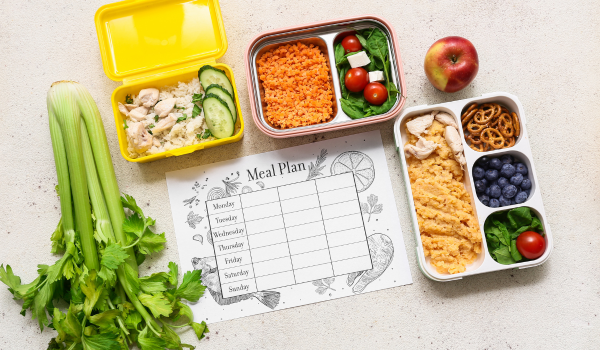
Meal prepping reduces stress, ensures healthier choices, and helps avoid skipped meals.
Listen To Hunger Cues And Cravings
Cravings are common, but balance is essential. Choosing healthier alternatives satisfies cravings without compromising nutrition.
Conclusion
Good nutrition during pregnancy nourishes both mother and baby, creating the foundation for a healthy beginning. By choosing nutrient-dense foods, focusing on essential vitamins and minerals, staying hydrated, and establishing consistent eating habits, pregnant women can support their own well-being while promoting strong fetal development. Begin applying these strategies today and continue exploring trustworthy nutrition resources to support a healthy pregnancy journey.





.png)
.png)

.png)


.png)
.png)

.png)
.png)
.png)
.png)
.png)
.png)
.png)


.png)
.png)
.png)
.png)
.png)
.png)


.png)
.png)

.png)


