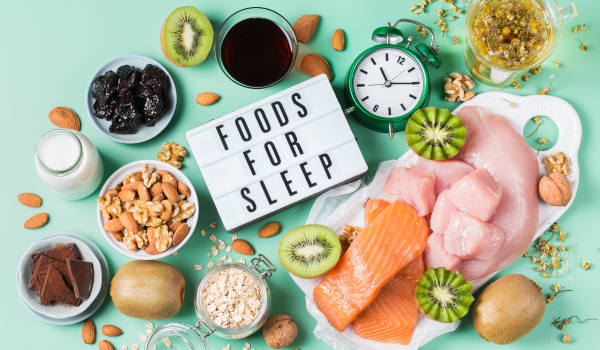
Sleep plays a vital role in overall health, influencing mood, energy, immunity, and cognitive performance. Yet many people struggle with insomnia caused by stress, lifestyle habits, or poor dietary choices. Nutrition has a significant impact on sleep quality, affecting the production of hormones and neurotransmitters that regulate the sleep–wake cycle. Eating the right foods—and avoiding those that disrupt sleep—can help support deeper, more restorative rest. This guide explores how nutrition influences sleep, which foods help promote relaxation, and practical eating strategies for people who regularly experience insomnia.
Understanding The Relationship Between Nutrition And Sleep
Food and sleep are closely connected through biological mechanisms that affect hormones, brain activity, and digestion.
How Nutrients Influence Sleep Hormones
Melatonin and serotonin are key hormones involved in sleep regulation. Serotonin helps calm the body, while melatonin signals that it is time to sleep. Certain nutrients—such as tryptophan, magnesium, and vitamin B6—support the production of these hormones.
The Role Of Blood Sugar Stability
Fluctuating blood sugar can cause nighttime awakenings or difficulty falling asleep. Foods that cause rapid spikes in blood sugar may lead to restless sleep, while balanced meals help maintain steady energy and reduce nighttime disturbances.
Digestion And Sleep Comfort
Large or heavy meals before bed can cause indigestion, acid reflux, and discomfort, making it harder to sleep. Light, nutrient-rich meals in the evening support better sleep quality.
Caffeine And Stimulants In The Diet
Caffeine blocks adenosine, a chemical that promotes sleepiness. Consuming caffeine late in the day keeps the brain alert and disrupts the sleep cycle. Some people are more sensitive to caffeine’s effects and may need to limit intake further.
Essential Nutrients That Support Better Sleep
Certain nutrients help calm the nervous system, relax muscles, and support the natural sleep cycle.
Tryptophan For Serotonin Production
Tryptophan is an amino acid that helps produce serotonin, which later converts into melatonin. Foods rich in tryptophan include turkey, eggs, seeds, nuts, and dairy products.
Magnesium For Relaxation And Muscle Function
Magnesium is known as the “relaxation mineral” because it calms the nervous system and reduces muscle tension. Good sources include leafy greens, almonds, pumpkin seeds, bananas, and whole grains.
Vitamin B6 For Melatonin Production
Vitamin B6 helps convert tryptophan into melatonin. Foods rich in B6 include fish, potatoes, bananas, and fortified cereals.
Omega-3 Fatty Acids For Nervous System Support
Omega-3s help regulate mood and reduce inflammation, supporting deeper sleep. Salmon, chia seeds, walnuts, and flaxseeds are excellent sources.
Calcium For Melatonin Activation
Calcium helps the brain use tryptophan to produce melatonin. Dairy products, leafy greens, almonds, and fortified plant milks offer healthy calcium levels.
Sleep-Enhancing Foods That Benefit People With Insomnia
Including these foods in daily meals can improve relaxation and sleep quality over time.
Bananas For Relaxation
Bananas provide magnesium, potassium, and vitamin B6, making them ideal for calming the muscles and supporting melatonin production. A banana in the evening can promote relaxation.
Warm Milk Or Dairy Alternatives
Milk contains tryptophan and calcium, both essential for sleep hormone production. Warm milk can be soothing before bedtime, helping prepare the body for rest.
Fatty Fish For Omega-3s
Salmon, sardines, mackerel, and trout contain omega-3s and vitamin D, both linked to improved sleep quality. Studies show that people who consume fatty fish regularly may fall asleep faster.
Oats, Whole Grains, And Complex Carbs
Oats and whole grains help release serotonin and maintain stable blood sugar. A small serving in the evening promotes calmness without causing heaviness.
Almonds And Walnuts For Healthy Fats
Almonds contain magnesium, while walnuts provide melatonin. These nuts make an excellent pre-bed snack for people struggling with insomnia.
Herbal Teas For Relaxation
Chamomile, lavender, and lemon balm teas contain natural compounds that reduce anxiety and promote restful sleep. They are caffeine-free and safe for nighttime.
Kiwi For Serotonin And Antioxidants
Research suggests that kiwi improves sleep onset, duration, and quality due to its serotonin content and antioxidants.
Foods And Drinks To Avoid For Better Sleep
Certain foods disrupt the nervous system, increase alertness, or cause digestive issues, making insomnia worse.
Caffeinated Beverages In The Afternoon And Evening
Coffee, tea, energy drinks, and sodas contain caffeine that can stay in the body for up to eight hours. People with insomnia should avoid caffeine after 2 PM—or earlier if highly sensitive.
High-Sugar Snacks And Desserts
Cookies, chocolate bars, pastries, and sweets cause blood sugar spikes followed by crashes, which may lead to nighttime awakenings or restlessness.
Spicy Or Heavy Meals Before Bed
Spicy foods may cause acid reflux or indigestion, while heavy meals take longer to digest, making sleep uncomfortable.
Alcohol And Sleep Disruption
Although alcohol initially induces drowsiness, it disrupts deep sleep stages and increases nighttime awakenings. Limiting alcohol is essential for people with insomnia.
Processed And Fatty Foods Late At Night
Fast food, fried foods, and processed meats strain the digestive system and may trigger discomfort when lying down.
Practical Nutrition Strategies For People With Insomnia
Consistent habits can make a significant difference in promoting deeper, more restorative sleep.
Eat A Balanced Dinner Several Hours Before Bed
Dinner should be light, balanced, and consumed 2–3 hours before bedtime. A combination of lean protein, vegetables, and whole grains promotes comfort and steady blood sugar.
Choose Sleep-Friendly Evening Snacks
Small snacks that support melatonin production include:
-
Banana with almond butter
-
Greek yogurt with berries
-
A handful of walnuts
-
A kiwi or small bowl of oats
These help calm the body without overwhelming digestion.
Limit Stimulants Throughout The Day
Reducing caffeine and sugar lowers the risk of nighttime alertness. Herbal teas or decaffeinated options can replace stimulating drinks.
Stay Consistently Hydrated Without Overdrinking At Night
Hydration supports metabolism and reduces nighttime thirst, but avoid drinking large amounts just before bed to prevent waking up to use the bathroom.
Reduce Late-Night Screen Time And Emotional Eating
Screens suppress melatonin production, while emotional eating increases heart rate and disrupts digestion. Creating a calming routine helps signal the body that it is time to sleep.
Focus On Nutrient Timing Throughout The Day
Consuming protein earlier, complex carbs in the evening, and limiting stimulants helps balance the sleep–wake cycle.
Conclusion
Insomnia can be deeply frustrating, but nutrition offers a powerful and often overlooked approach to improving sleep quality. By prioritizing sleep-supportive nutrients, choosing foods that promote relaxation, and avoiding stimulants and heavy meals, people who struggle with insomnia can create habits that support deeper, more restorative rest. Start applying these strategies today and explore additional lifestyle adjustments to improve long-term sleep health.
















.png)
.png)

.png)



.png)
.png)

.png)

.png)
.png)
.png)
.png)
.png)
.png)



.png)
.png)
.png)
.png)
.png)
.png)



.png)
.png)

.png)