
.png)
Good nutrition forms the foundation for a child’s growth, development, learning ability, and long-term health. During childhood, the body grows at rapid speed, requiring a steady supply of nutrients to support bones, muscles, brain function, and the immune system. However, children often face challenges such as picky eating, inconsistent appetite, or exposure to processed foods. Understanding what children truly need—and how to make these nutrients part of daily meals—can help parents support healthy growth at every stage. This guide explores the essential nutrients, recommended food choices, and practical habits that help children grow strong, active, and healthy.
Understanding The Nutritional Needs Of Growing Children
Children’s bodies work constantly to build bones, strengthen muscles, develop organs, and fuel brain function. This requires a balanced intake of vitamins, minerals, protein, carbohydrates, and healthy fats.
Growth And Higher Energy Needs
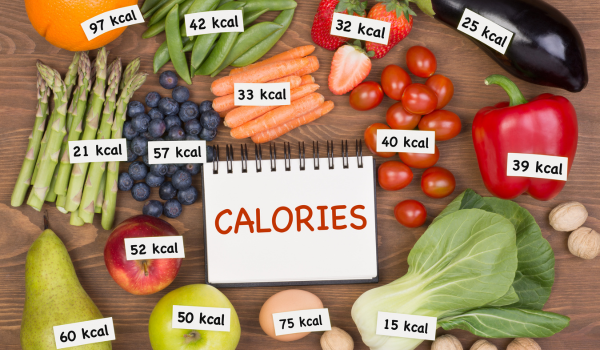
Children use more energy than adults relative to their size. Their bodies burn calories quickly to support learning, movement, and growth. A lack of consistent nutrition can lead to fatigue, weakened immunity, or slowed development.
Brain Development And Learning Support
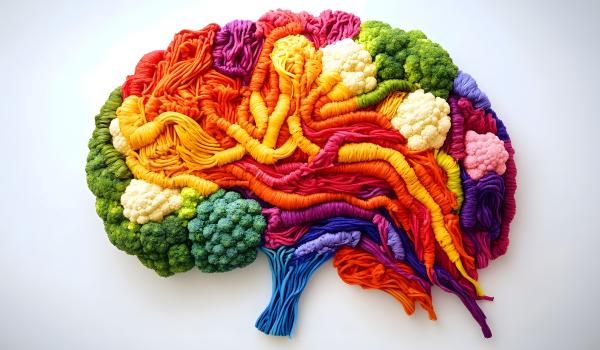
A large portion of brain development occurs during childhood. Nutrients like omega-3 fatty acids, iron, and vitamin B12 support memory, learning, and cognitive function. Without them, concentration and academic performance may decline.
Bone And Muscle Formation
Calcium, vitamin D, protein, and magnesium are essential for building a strong skeletal system. Childhood is the ideal time to establish peak bone mass, which helps prevent fractures and long-term bone issues.
Immune System Strengthening
A child’s immune system is still developing. Vitamins A, C, E, and zinc help fight infections and support faster recovery from illness.
Essential Nutrients Children Need Daily
Growing children require a balanced variety of nutrients to support their physical and mental development.
Protein For Growth And Repair
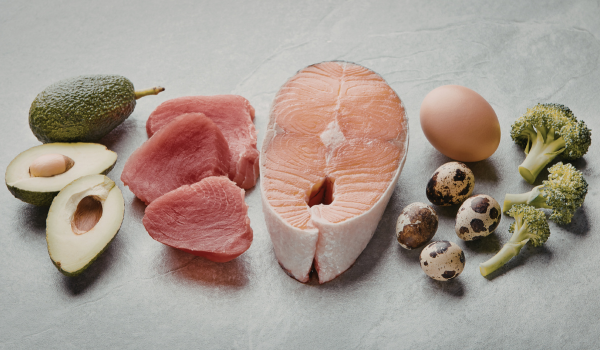
Protein supports muscle building, hormone production, and tissue repair. Good sources include chicken, fish, eggs, beans, tofu, dairy, and lean beef. Children benefit from including protein in every meal.
Calcium And Vitamin D For Strong Bones
These two nutrients work together to support bone and teeth development. Calcium is found in milk, yogurt, cheese, broccoli, and fortified plant-based milks. Vitamin D comes from sunlight, salmon, egg yolks, and fortified cereals.
Healthy Carbohydrates For Energy
Whole grains, fruits, vegetables, and legumes provide the steady energy children need for school, sports, and play. Complex carbs also support stable blood sugar and improved concentration.
Healthy Fats For Brain Development
Omega-3 fats found in salmon, sardines, chia seeds, flaxseeds, and walnuts help improve learning ability, memory, and emotional regulation.
Iron For Oxygen And Focus
Iron helps carry oxygen throughout the body and supports brain function. Lean meats, spinach, beans, and fortified cereals are rich in iron. Iron deficiency in children can cause fatigue, irritability, and poor concentration.
Fiber For Digestion And Overall Health
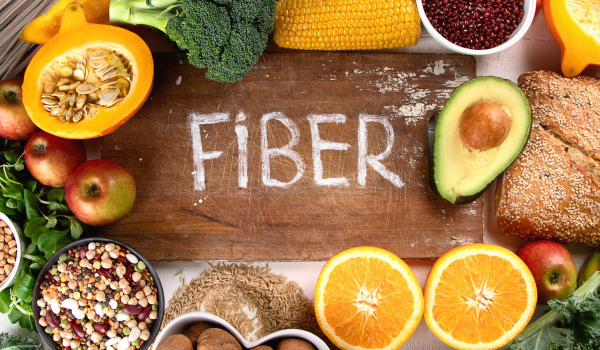
Fiber supports healthy digestion and prevents constipation—one of the most common issues in children. Good sources include fruits, vegetables, oats, beans, and whole grains.
Vitamins And Minerals For Immunity
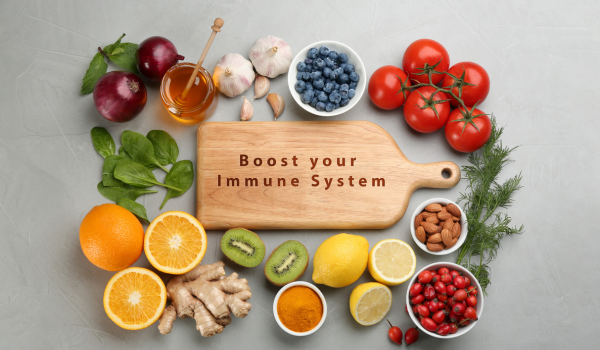
Vitamins A, C, and E protect cells, strengthen immunity, and support vision. Zinc helps the body fight illness and heal wounds. A colorful variety of fruits and vegetables helps children meet these needs naturally.
Healthy Foods That Support Children’s Growth
Providing nutrient-rich foods ensures children receive what they need even during picky-eating phases.
Colorful Fruits And Vegetables
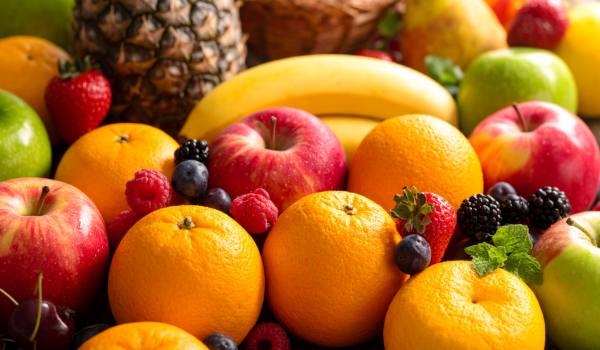
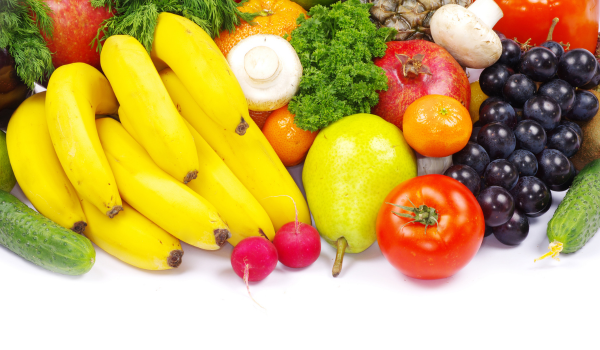
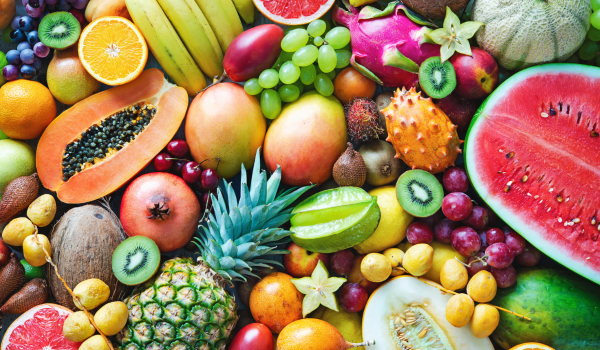
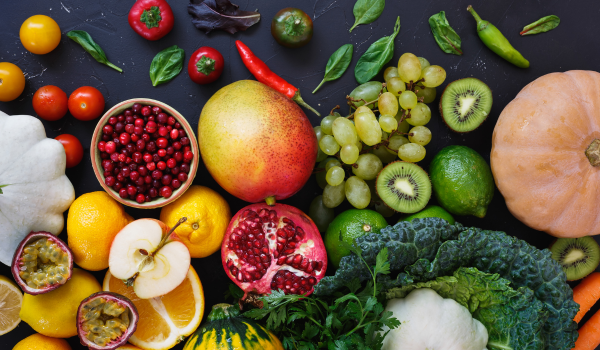
Blueberries, oranges, apples, carrots, spinach, broccoli, and bell peppers offer vitamins, minerals, antioxidants, and fiber. Mixing different colors ensures variety and makes meals more appealing.
Lean Proteins For Strength
Eggs, chicken, turkey, tofu, beans, lentils, and fish provide essential protein for muscle development. Fish like salmon also adds omega-3s for brain growth.
Dairy And Fortified Alternatives
Milk, yogurt, cheese, and fortified plant-based milks supply calcium, vitamin D, protein, and B vitamins. Yogurt with fruit makes a quick snack with both probiotics and nutrients.
Whole Grains For Sustained Energy
Oats, brown rice, whole wheat bread, quinoa, and whole-grain pasta provide fiber and long-lasting energy for active children. These foods also stabilize blood sugar and support better focus.
Nuts, Seeds, And Nut Butters
Walnuts, almonds, chia seeds, peanut butter, and tahini are excellent sources of healthy fats, protein, and minerals. These foods support brain development and balanced energy.
Healthy Snacks For Daily Fuel
Fresh fruit, yogurt parfaits, whole-grain crackers with cheese, smoothies, and vegetable sticks with hummus make great alternatives to processed snacks high in sugar or salt.
Foods And Habits To Limit For Healthy Development
Not all foods support children’s growth. Some may interfere with nutrition, affect behavior, or contribute to long-term health issues.
Sugary Drinks And Snacks
Sodas, energy drinks, candy, and pastries cause rapid spikes in blood sugar, leading to energy crashes and poor concentration. Excess sugar is also linked to childhood obesity and dental cavities.
Processed Foods High In Sodium And Fat
Chips, fast food, instant noodles, and frozen meals often lack nutrients and contain unhealthy fats. These foods can lead to excessive calorie intake without providing essential nutrients.
Excessive Screen-Time Snacking
Eating while distracted leads to overeating and poor food choices. Creating screen-free meal times helps children develop healthier eating habits.
Caffeinated Drinks
Sweetened coffees, sodas, and energy drinks interfere with sleep and may increase anxiety or hyperactivity in children.
Practical Nutrition Strategies For Parents And Caregivers
Small, consistent habits make it easier to provide high-quality nutrition for growing children.
Offer Balanced Meals With A Variety Of Foods
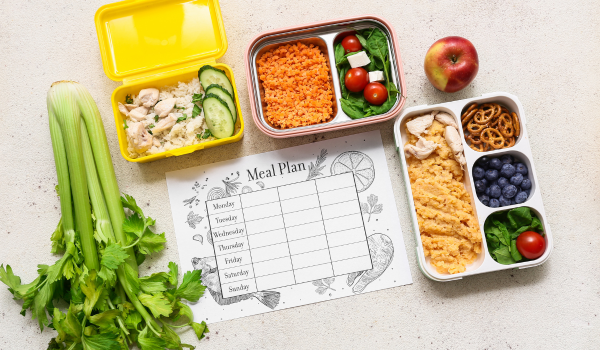
A balanced plate includes vegetables, whole grains, protein, and healthy fats. Offering familiar foods alongside new ones increases acceptance over time.
Involve Children In Meal Preparation
Kids are more likely to eat what they help prepare. Allowing them to choose vegetables or assemble simple dishes can build positive eating habits.
Create A Regular Eating Schedule
Consistent meal and snack times help regulate metabolism and teach children to listen to hunger cues.
Encourage Hydration With Water
Water is essential for digestion, cognitive function, and energy. Replacing sugary drinks with water helps prevent excessive sugar intake.
Offer Healthy Snacks Between Meals
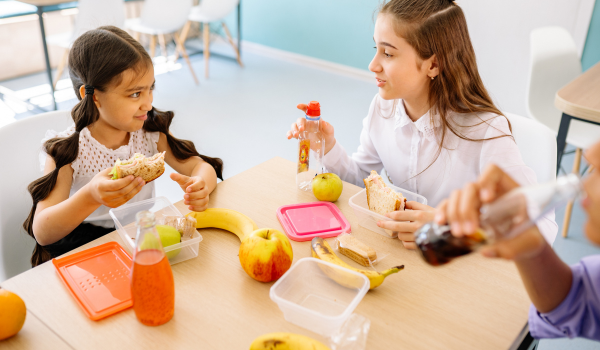
Kids often need snacks to maintain energy. Providing fruit, yogurt, whole grains, or nuts keeps them nourished without added sugars or unhealthy fats.
Be A Role Model
Children learn by observing. Eating healthy meals as a family reinforces positive habits and encourages better food choices.
Make Meals Enjoyable And Stress-Free
Avoid forcing, bribing, or pressuring children to eat. A calm environment helps them develop a natural, healthy relationship with food.
Conclusion
Good nutrition is essential for building strong bodies, healthy brains, and resilient immune systems in growing children. By providing balanced meals, nutrient-rich foods, healthy snacks, and supportive eating habits, parents can help children thrive physically and mentally. Start introducing these strategies today and explore more evidence-based nutrition resources to support your child’s long-term growth and well-being.





.png)
.png)

.png)


.png)
.png)

.png)
.png)
.png)
.png)
.png)
.png)
.png)


.png)
.png)
.png)
.png)
.png)
.png)


.png)
.png)

.png)


