
.png)
Staying active is an important part of maintaining physical and mental well-being, but supporting that lifestyle does not require extreme dieting or rigid food rules. Many active adults struggle to balance energy, performance, and recovery while trying to avoid restrictive eating patterns. Sustainable nutrition focuses on fueling the body properly, supporting daily movement, and promoting long-term health without unnecessary stress. Understanding how to nourish the body without extremes allows active individuals to stay strong, energized, and consistent over time.
Why Active Adults Need Balanced Nutrition
An active lifestyle places higher demands on the body.
Energy Demands Increase With Activity
Movement requires fuel, and insufficient nutrition can lead to fatigue and reduced performance.
Recovery Depends On Proper Nutrition
Muscles, joints, and connective tissues rely on nutrients to repair and rebuild.
Consistent Fuel Supports Daily Performance
Balanced meals help maintain steady energy throughout the day.
Undereating Can Be Just As Harmful As Overeating
Insufficient intake may slow metabolism and impair recovery.
Understanding Energy Needs Without Extreme Dieting
Energy needs vary based on activity level, age, and lifestyle.
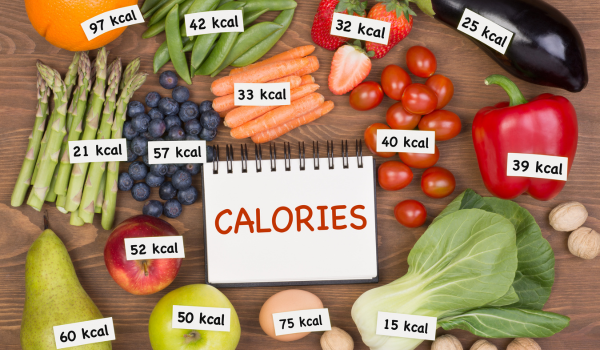
Calories Are Fuel, Not The Enemy
Calories provide energy necessary for movement and bodily functions.
Avoid Extreme Calorie Restriction
Severe restriction can lead to fatigue, nutrient deficiencies, and hormonal imbalance.
Balance Is More Effective Than Restriction
Consistent, moderate intake supports sustainable energy levels.
Listening To Hunger Cues Matters
Natural hunger signals help guide appropriate intake.
Carbohydrates As A Primary Energy Source
Carbohydrates play a vital role in physical performance.
Fuel For Muscles And Brain
Carbohydrates provide readily available energy for activity and focus.
Choosing Quality Carbohydrates
Whole grains, fruits, and vegetables provide steady energy.
Avoiding Energy Spikes And Crashes
Complex carbohydrates prevent sharp blood sugar fluctuations.
Supporting Endurance And Recovery
Adequate carbohydrate intake helps replenish energy stores.
Protein For Strength And Recovery
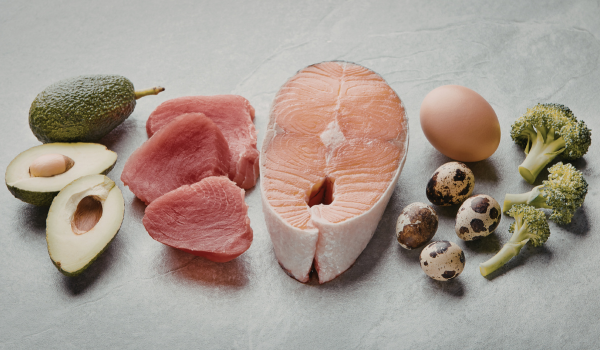
Protein is essential for maintaining an active body.
Supports Muscle Repair And Growth
Protein helps rebuild muscle tissue after activity.
Helps Maintain Lean Body Mass
Adequate intake supports strength and mobility.
Supports Metabolic Health
Protein contributes to steady energy use.
Distributing Protein Throughout The Day
Even intake improves absorption and muscle repair.
Healthy Fats For Sustained Energy
Healthy fats play a key role in overall health.
Long-Lasting Energy Source
Fats provide sustained fuel during lower-intensity activity.
Supports Joint And Hormonal Health
Healthy fats help regulate inflammation and hormone balance.
Aids Nutrient Absorption
Fat helps absorb fat-soluble vitamins.
Encourages Satiety And Satisfaction
Including fats helps meals feel complete.
Micronutrients That Support Active Lifestyles
Vitamins and minerals are essential for performance.
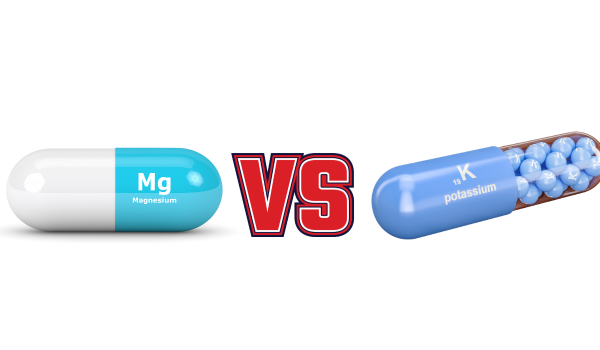
Magnesium For Muscle Function
Supports muscle relaxation and recovery.
Iron For Oxygen Transport
Helps deliver oxygen to working muscles.
Calcium And Vitamin D For Bone Health
Support skeletal strength and movement.
B Vitamins For Energy Metabolism
Help convert food into usable energy.
Hydration And Physical Performance
Hydration directly affects energy and endurance.
Supports Circulation And Temperature Regulation
Fluids help maintain blood flow and body temperature.
Prevents Fatigue And Cramps
Dehydration can reduce performance and increase fatigue.
Supports Nutrient Transport
Water helps deliver nutrients throughout the body.
Consistent Hydration Matters More Than Quantity
Regular intake supports steady performance.
Meal Timing For Active Lifestyles
When you eat affects how your body performs.
Fueling Before Activity
Balanced meals support strength and endurance.
Post-Activity Nutrition Matters
Nutrients after activity aid recovery and muscle repair.
Regular Eating Supports Energy Stability
Consistent meals prevent energy crashes.
Avoid Long Gaps Between Meals
Frequent nourishment supports sustained activity.
Smart Food Choices For Active Days
Choosing the right foods supports performance without restriction.
Whole Foods Over Processed Options
Whole foods provide better nutrient density.
Balanced Plates Support Energy
Combining macronutrients improves performance.
Portable Foods For Busy Schedules
Easy options support consistency.
Listening To Your Body’s Needs
Hunger and energy levels guide appropriate intake.
Common Mistakes Active Adults Make With Nutrition
Certain habits can limit progress.
Underfueling Activity Levels
Not eating enough can impair recovery.
Over-Relying On Supplements
Whole foods should remain the foundation.
Ignoring Recovery Nutrition
Recovery is essential for sustained activity.
Following Extreme Diet Trends
Restrictive diets often reduce performance.
Supporting Long-Term Energy And Performance
Sustainable habits lead to lasting results.
Consistency Over Perfection
Daily habits matter more than short-term efforts.
Balanced Nutrition Supports Longevity
Proper fueling supports lifelong activity.
Adapt Nutrition To Lifestyle Changes
Needs evolve over time.
Focus On Health, Not Just Performance
Overall well-being enhances long-term activity.
Building A Sustainable Nutrition Routine
Practical strategies help maintain balance.
Plan Meals Ahead
Preparation supports healthy choices.
Include Enjoyable Foods
Enjoyment improves consistency.
Adjust Intake Based On Activity Levels
Flexibility supports energy balance.
Stay Mindful Of Body Signals
Listening to the body prevents burnout.
Conclusion
Nutrition for active adults does not require extreme dieting or rigid rules. A balanced approach that includes adequate energy, quality nutrients, and consistent meals supports strength, endurance, and recovery. By focusing on whole foods, hydration, and mindful eating habits, active individuals can sustain performance and well-being without unnecessary restriction. Building healthy nutrition habits creates a foundation for long-term vitality and an active lifestyle.













.png)
.png)
.png)


.png)
.png)

.png)
.png)
.png)
.png)
.png)
.png)
.png)



.png)
.png)
.png)
.png)
.png)
.png)



.png)
.png)

.png)


