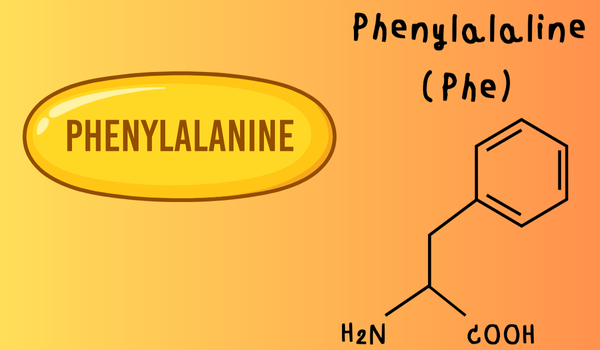
Phenylalanine is an essential amino acid, meaning your body cannot produce it on its own and must get it from food. It is naturally present in many protein-rich foods and plays a critical role in brain function, hormone production, and overall metabolism.
Your body uses phenylalanine to make tyrosine, another amino acid needed to produce important hormones and neurotransmitters such as dopamine, norepinephrine, melanin, and thyroxine. These substances support mood, focus, motivation, cognitive function, metabolism, and protection of the skin and eyes from light.
For most people, phenylalanine is necessary and beneficial. However, individuals with a rare genetic disorder called phenylketonuria (PKU) must strictly limit phenylalanine intake because their bodies cannot break it down properly.
Types of Phenylalanine
There are three main forms of phenylalanine, each with a slightly different structure.
l-phenylalanine
This is the natural form found in protein-containing foods. It serves as a building block for protein and is the main precursor to tyrosine in the body.
d-phenylalanine
This is a synthetic form of phenylalanine. It is sometimes used in supplements, though its effects may differ from the natural form.
dl-phenylalanine
This is a combination of both L- and D-phenylalanine, containing equal amounts of each.
Potential Benefits of Phenylalanine
Phenylalanine supports several essential functions in the body.
Supports Nervous System Function
Phenylalanine helps produce key brain chemicals known as catecholamines.
brain and stress response support
Dopamine, epinephrine, and norepinephrine are neurotransmitters derived from phenylalanine. These chemicals regulate mood, alertness, focus, motivation, and the body’s response to stress.
Catecholamines also help control blood pressure, heart rate, breathing, digestion, and urinary function, making phenylalanine important for both mental and physical performance.
May Improve Vitiligo Symptoms
Vitiligo is an autoimmune condition that causes loss of skin pigment.
melanin production
Phenylalanine plays a role in melanin synthesis, the pigment responsible for skin and hair color. Some evidence suggests phenylalanine—when combined with ultraviolet light therapy—may help improve skin pigmentation in people with vitiligo.
Phenylalanine can be taken orally or applied topically under medical supervision, usually at carefully controlled doses.
May Help With Depression Symptoms
Some research suggests a link between phenylalanine levels and mood.
dopamine and pleasure pathways
Dopamine is involved in motivation and pleasure, and low dopamine activity is associated with depression. Several studies have observed lower blood phenylalanine levels in people with major depressive disorder.
While earlier studies suggested phenylalanine supplementation might help reduce depressive symptoms, more recent research has produced mixed results. Additional studies are needed before phenylalanine can be recommended as a depression treatment.
How Much Phenylalanine Do You Need?
Phenylalanine intake is usually sufficient when consuming enough protein.
general intake guidance
Protein from animal foods and grains typically contains about 5% phenylalanine. This means each gram of protein provides roughly 50 milligrams of phenylalanine.
Recommended daily intakes vary by age and life stage, as phenylalanine needs are often calculated together with tyrosine intake. Adults generally require modest amounts that are easily met through a normal diet.
During pregnancy, phenylalanine needs increase, particularly in later stages. Most people can safely meet these needs through food alone, but caution is advised when using supplements.
special considerations for pku
People with PKU must severely restrict phenylalanine intake to prevent dangerous buildup in the blood and brain. Intake levels for PKU vary by individual tolerance but are typically far lower than for the general population.
Food Sources of Phenylalanine
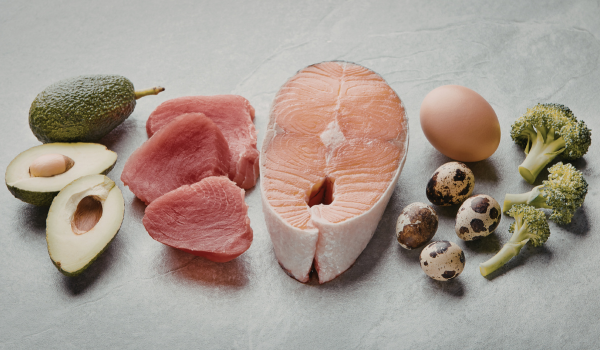
Phenylalanine is widely distributed in protein-rich foods.
common dietary sources
-
Meat and poultry
-
Fish
-
Eggs
-
Cheese and dairy products
-
Nuts and seeds
-
Whole grains
-
Soy foods such as tofu and tempeh
-
Legumes
Other sources include gelatin, spirulina, and the artificial sweetener aspartame.
Phenylalanine and Aspartame
Aspartame is a low-calorie artificial sweetener that contains phenylalanine.
who should avoid it
People with PKU must avoid foods and drinks containing aspartame due to their inability to metabolize phenylalanine properly. For the general population, consuming aspartame in moderate amounts is considered safe.
Supplements
Phenylalanine is available as a dietary supplement, usually in L-phenylalanine form.
who should be cautious
Because phenylalanine is an essential amino acid, many protein powders and green supplements naturally contain high amounts. Individuals with PKU should avoid protein powders or supplements containing added protein, gelatin, or spirulina.
Before starting phenylalanine supplements, it’s important to consult a healthcare provider—especially if pregnant, breastfeeding, managing a medical condition, or taking medications.
When choosing supplements, look for products that are independently tested for quality and purity, as dietary supplements are not regulated as strictly as medications.
Potential Risks and Side Effects
Phenylalanine is generally well tolerated at normal dietary levels.
possible side effects
Supplemental phenylalanine may cause side effects such as anxiety, headaches, nausea, constipation, insomnia, sedation, or restlessness in some people.
For individuals with PKU, excess phenylalanine can be extremely dangerous, leading to neurological damage, seizures, developmental delays, behavioral problems, and psychiatric conditions.
Phenylalanine Deficiency
True phenylalanine deficiency is rare.
protein intake matters
Because phenylalanine is found in nearly all protein-rich foods, deficiency usually results from overall inadequate protein intake rather than lack of phenylalanine alone.
Low protein intake can lead to symptoms such as dry or pale skin, hair loss, frequent illness, muscle wasting, and weak bones. This is why managing PKU through diet can be especially challenging.
Drug Interactions
Phenylalanine supplements may interact with certain medications.
medications of concern
-
Baclofen, a muscle relaxant
-
Levodopa, used in Parkinson’s disease treatment
-
Monoamine oxidase inhibitors (MAOIs), which may increase the risk of dangerously high blood pressure when combined with phenylalanine
If you take prescription medications, consult a healthcare provider before using phenylalanine supplements.
A Quick Review
Phenylalanine is an essential amino acid needed for brain chemistry, hormone production, and overall health. For most people, it is safe and beneficial when consumed through a balanced, protein-rich diet.
However, individuals with phenylketonuria must strictly limit phenylalanine intake. Anyone considering supplements should seek medical guidance to ensure safety.



.png)
.png)
.png)
.png)
.png)
.png)
.png)
.png)
.png)
.png)
.png)
.png)



.png)
.png)
.png)
.png)
.png)
.png)


.png)
.png)

.png)