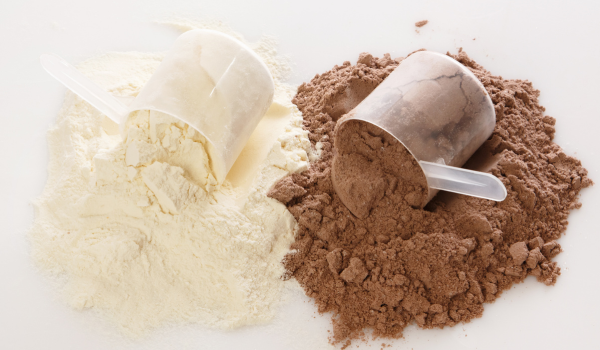
The amount of protein you need depends on your body weight and overall health goals. Protein plays a critical role in muscle growth, fat loss, pregnancy, breastfeeding, and long-term bone health. Adjusting your protein intake to match your lifestyle can help optimize health outcomes at every stage of life.
What Are Your Protein Needs for Muscle Gain?
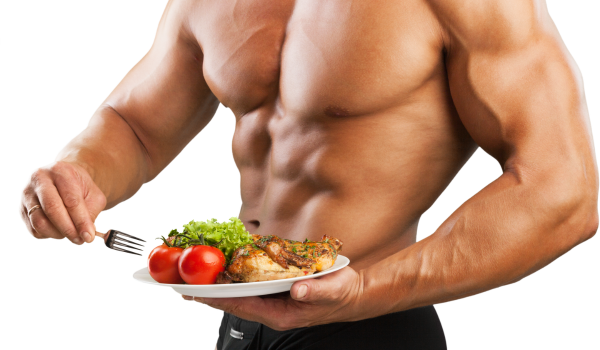
Protein supplies amino acids, which are essential for building and maintaining muscle tissue. If muscle growth is your goal, protein intake must increase alongside physical activity.
for physically active individuals
People who exercise regularly need more protein than sedentary individuals. To maintain muscle mass, aim for 1.2–2.0 grams of protein per kilogram of body weight per day.
for building muscle mass
Those actively trying to gain muscle benefit most from combining resistance training with a higher protein intake. Consuming 1.6–2.2 grams of protein per kilogram of body weight per day supports muscle repair, growth, and strength gains.
How Weight Loss Affects Protein Intake
Protein is the most filling macronutrient. It slows digestion, increases satiety hormones, and reduces levels of ghrelin—the hormone that triggers hunger. This makes protein especially important during weight loss.
for fat loss
High-protein diets can support fat loss by helping reduce overall calorie intake. These diets typically provide more protein than the standard recommendation, averaging around 1.2 grams of protein per kilogram of body weight per day.
for fat loss with muscle preservation
If your goal is to lose fat while maintaining or building muscle, protein needs rise further. Many experts recommend 2.3–3.1 grams of protein per kilogram of body weight per day. For a 150-pound person, this can mean roughly 150–210 grams of protein per day.
In addition to adequate protein intake, combining strength training with gradual, consistent weight loss helps preserve lean muscle mass.
Considerations for Pregnancy and Breastfeeding
Protein needs increase significantly during pregnancy and breastfeeding to support fetal growth, milk production, and the increased metabolic demands of the parent.
during breastfeeding
People who exclusively breastfeed are advised to consume approximately 1.7–1.9 grams of protein per kilogram of body weight per day. For someone weighing 150 pounds, this equals roughly 115–129 grams of protein daily.
during pregnancy
Protein needs vary by trimester. In early pregnancy, protein requirements are similar to those of non-pregnant individuals. During the second and third trimesters, protein needs increase to support fetal development.
Research suggests that protein intake during pregnancy may need to exceed standard recommendations, reaching around 1.2 grams per kilogram per day in early pregnancy and up to 1.5 grams per kilogram per day in later stages.
How Much Protein Do You Need for Stronger Bones?
Protein makes up about half of bone volume and one-third of bone mass, making it essential for maintaining bone strength and density.
Not consuming enough protein can weaken bones, lower bone mineral density, and increase the risk of fractures and conditions such as osteoporosis.
Evidence shows that protein intakes above the current minimum recommendation support better bone health. Many health organizations advise consuming 1.0–1.2 grams of protein per kilogram of body weight per day to help maintain strong bones.
For optimal bone health, protein intake should be combined with regular physical activity and adequate intake of other key nutrients, such as calcium and vitamin D.


.png)
.png)
.png)
.png)
.png)
.png)
.png)
.png)
.png)
.png)
.png)
.png)

.png)
.png)
.png)
.png)
.png)
.png)

.png)
.png)

.png)