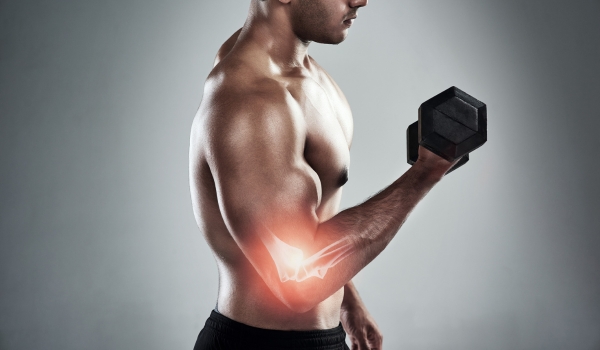
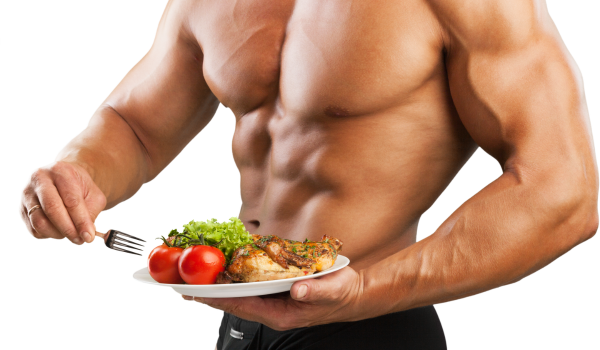
The amount of protein you need for muscle gain depends on your body weight, activity level, and training goals. Most experts agree that consuming 1.6–2.2 grams of protein per kilogram of body weight (or 0.72–1 gram per pound) is ideal for optimizing muscle growth when combined with resistance training.
Why Protein Matters for Muscle Growth
Protein supplies your body with amino acids, which act as the building blocks of muscle tissue. When you consume protein-rich foods, your body breaks them down into amino acids and uses them to build new muscle proteins and other essential compounds, including neurotransmitters.
Certain amino acids—particularly leucine, isoleucine, and valine—play a crucial role in muscle repair, maintenance, and growth.
For muscle hypertrophy to occur, your body must maintain a positive net protein balance, meaning muscle protein synthesis exceeds muscle breakdown. Consistent protein intake, combined with strength training, helps preserve lean muscle mass and supports long-term muscle growth.
How Much Protein Do You Need for Muscle Gain?
Protein must be consumed daily. The recommended dietary allowance (RDA) for protein is 0.8 grams per kilogram of body weight per day (0.36 grams per pound). However, this amount only represents the minimum needed to prevent muscle loss—it is not sufficient for building muscle.
Research shows that physically active individuals benefit from higher protein intake. To maintain muscle mass, most active people need 1.2–2.0 grams per kilogram per day. For maximizing muscle growth with resistance training, 1.6–2.2 grams per kilogram per day is considered optimal.
Protein Intake by Physical Activity
Consuming protein around workouts can further enhance muscle growth.
post-workout nutrition
Having a protein-rich meal or shake after resistance training can help stimulate muscle protein synthesis. A post-workout intake of around 20 grams of protein is often sufficient to support recovery and muscle development.
Protein Intake by Weight Goals
Protein needs vary depending on whether your goal is muscle gain, maintenance, or fat loss.
muscle gain and weight maintenance
Aim for 1.6–2.2 grams of protein per kilogram of body weight per day to build lean muscle while maintaining body weight.
fat loss with muscle preservation
When trying to lose weight without losing muscle, protein needs increase. A daily intake of 2.3–3.1 grams per kilogram of body weight can help preserve muscle mass while in a calorie deficit.
Good Sources of Protein
Including a source of protein at every meal and snack can help you reach your daily intake. Spacing protein-rich meals every three hours may further support muscle protein synthesis.
Both animal-based and plant-based diets can support muscle growth when planned properly.
Animal Sources
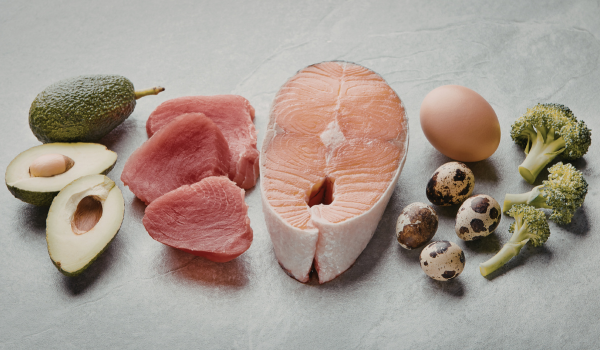
Animal proteins are considered complete proteins because they contain all nine essential amino acids. High-quality options include:
-
Canned salmon: about 20 grams per 3-ounce serving
-
Chicken breast: around 31 grams per small skinless breast
-
Cottage cheese: roughly 23 grams per cup
-
Eggs: about 6 grams per large egg
-
Greek yogurt: nearly 20 grams per 7-ounce serving
-
Shrimp: around 20 grams per 3-ounce serving
-
Whey protein isolate: approximately 25 grams per ounce
Plant-Based Sources
Most plant proteins are considered incomplete, meaning they lack one or more essential amino acids. They also tend to be less digestible and contain less protein per serving compared to animal sources.
That said, muscle growth is absolutely possible on a plant-based diet when a variety of protein sources are consumed.
high-quality plant proteins include
-
Hemp seeds: about 9 grams per ounce
-
Edamame: roughly 18 grams per cup
-
Lentils: nearly 18 grams per cup
-
Pea protein powder: around 24 grams per ounce
-
Tempeh: about 20 grams per 100 grams
-
Tofu: roughly 9 grams per 3-ounce serving
Can You Have Too Much Protein?
High-protein diets were once believed to harm kidney, heart, and bone health. Current research shows that balanced high-protein diets are generally safe for healthy, physically active individuals.
Diets providing more than four times the RDA for protein have been shown to support body composition and may even benefit bone and cardiovascular health in active people.
However, diets very high in red and processed meats may increase the risk of heart disease and colorectal cancer. Individuals with existing kidney disease should consult a healthcare provider, as excessive protein intake may worsen kidney function in this population.



.png)
.png)
.png)
.png)
.png)
.png)
.png)
.png)
.png)
.png)
.png)
.png)


.png)
.png)
.png)
.png)
.png)
.png)

.png)
.png)

.png)