
.png)
Hydration is often overlooked when discussing daily health, yet it plays a critical role in how the body and mind function. Many people associate hydration only with thirst or physical activity, but water intake influences much more than physical performance. From mental clarity to emotional balance, hydration affects how we feel, think, and function throughout the day. Understanding how hydration impacts energy, focus, and mood helps build healthier habits that support both physical and mental well-being.
Why Hydration Matters More Than You Think
Water makes up a large portion of the human body and is involved in nearly every physiological process.
Water Supports Cellular Function
Every cell in the body relies on water to maintain structure, transport nutrients, and remove waste. Even mild dehydration can interfere with normal cellular activity.
Hydration Affects Physical And Mental Performance
When the body lacks adequate fluids, both physical endurance and mental clarity decline more quickly than many people expect.
Small Fluid Losses Have Big Effects
Losing just a small percentage of body water can negatively impact mood, focus, and energy levels.
Hydration Needs Vary By Individual
Age, activity level, climate, and overall health all influence how much water a person needs daily.
How Hydration Influences Energy Levels
Energy levels are closely tied to fluid balance.
Water Supports Energy Production
Hydration plays a role in how the body converts food into usable energy. When fluid levels drop, energy production becomes less efficient.
Dehydration Increases Fatigue
Even mild dehydration can cause feelings of tiredness, sluggishness, and reduced motivation.
Hydration And Physical Performance
Muscles rely on water to contract efficiently. Low hydration can lead to quicker fatigue during movement or exercise.
Supporting Daily Stamina
Consistent hydration helps maintain steady energy throughout the day rather than energy highs and crashes.
Hydration And Mental Focus
The brain is highly sensitive to hydration levels.
Water Supports Cognitive Function
Adequate hydration supports attention, memory, and information processing.
Dehydration And Brain Fog
Lack of fluids can contribute to difficulty concentrating, forgetfulness, and slower reaction times.
Hydration Supports Mental Clarity
Maintaining hydration helps the brain function efficiently, especially during tasks requiring focus.
Even Mild Dehydration Matters
Small fluid deficits can affect cognitive performance before thirst becomes noticeable.
The Link Between Hydration And Mood
Hydration plays a meaningful role in emotional regulation.
Dehydration And Mood Changes
Low fluid levels are associated with irritability, tension, and reduced emotional resilience.
Hydration Supports Emotional Balance
Proper hydration helps regulate hormones and neurotransmitters involved in mood stability.
Stress And Hydration Are Closely Linked
Stress increases fluid needs, and dehydration can amplify feelings of stress.
Improved Mood Through Consistent Hydration
Regular water intake supports calmer emotional responses and improved overall mood.
Signs You May Not Be Drinking Enough Water
Dehydration symptoms are often subtle.
Low Energy Or Fatigue
Feeling tired despite adequate sleep may indicate insufficient hydration.
Difficulty Concentrating
Trouble focusing or mental sluggishness can result from dehydration.
Dry Mouth Or Headaches
These are common early signs of fluid imbalance.
Dark-Colored Urine
Darker urine often indicates the need for more fluids.
How Much Water Does The Body Really Need?
Hydration needs vary from person to person.
General Hydration Guidelines
Fluid needs depend on body size, activity level, environment, and diet.
Water From Food And Beverages Counts
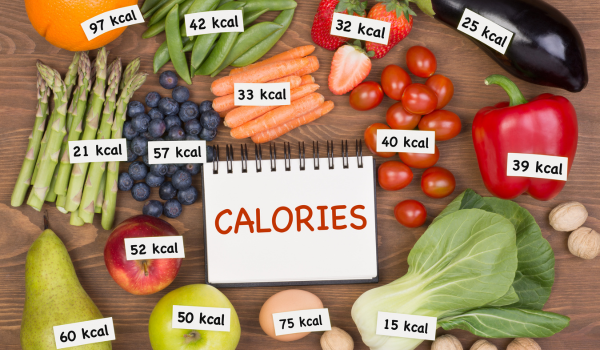
Fruits, vegetables, soups, and beverages contribute to total hydration.
Listening To Thirst Signals
Thirst is a helpful guide but should not be ignored for long periods.
Adjusting Intake Based On Lifestyle
Exercise, heat, illness, and stress increase hydration needs.
Hydration And Physical Activity
Movement increases fluid requirements.
Water Loss Through Sweat
Physical activity increases fluid loss through perspiration.
Hydration Supports Endurance And Recovery
Adequate hydration helps maintain strength and reduces recovery time.
Before, During, And After Activity
Drinking water consistently throughout physical activity supports performance.
Avoiding Overhydration
Balance is important, as excessive fluid intake without electrolytes may cause discomfort.
Hydration And Daily Eating Habits
Hydration works best alongside balanced nutrition.
Foods That Support Hydration
Fruits and vegetables with high water content contribute to daily fluid intake.
Balancing Fluids With Electrolytes
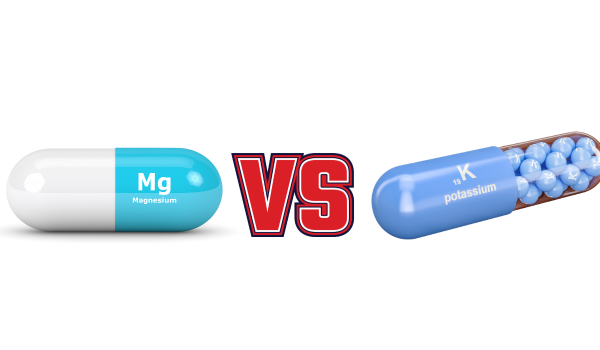
Electrolytes help regulate fluid balance, especially during physical activity.
Limiting Dehydrating Beverages
Excess caffeine or alcohol can increase fluid loss.
Timing Fluid Intake
Spreading hydration evenly throughout the day supports consistency.
Practical Tips To Stay Hydrated Throughout The Day
Simple habits can improve hydration effortlessly.
Start The Day With Water
Drinking water in the morning supports hydration after sleep.
Carry A Reusable Water Bottle
Having water available encourages regular sipping.
Pair Drinking Water With Daily Activities
Link hydration to routines such as meals or breaks.
Add Natural Flavor When Needed
Fruit slices or herbs can make water more appealing.
Hydration And Long-Term Health
Consistent hydration supports overall wellness.
Supports Heart And Circulatory Health
Proper hydration supports blood flow and circulation.
Supports Kidney Function
Water helps the kidneys remove waste efficiently.
Supports Digestive Health
Adequate fluids prevent constipation and aid digestion.
Supports Healthy Aging
Hydration helps maintain physical and cognitive health over time.
Building A Sustainable Hydration Routine
Consistency matters more than perfection.
Focus On Daily Habits, Not Rules
Simple habits are easier to maintain long term.
Adjust As Your Needs Change
Hydration needs evolve with lifestyle and environment.
Listen To Your Body’s Signals
Your body often communicates hydration needs clearly.
Make Hydration Enjoyable
Enjoying beverages makes consistency easier.
Conclusion
Hydration plays a vital role in energy, focus, and emotional well-being. Even mild dehydration can affect how the body and mind function throughout the day. By building simple hydration habits and paying attention to the body’s signals, it becomes easier to maintain consistent energy, clearer thinking, and better mood stability. Making hydration a daily priority supports long-term health and overall quality of life. Explore more wellness insights and take small steps toward better hydration every day.














.png)
.png)
.png)


.png)
.png)

.png)

.png)
.png)
.png)
.png)
.png)
.png)



.png)
.png)
.png)
.png)
.png)
.png)


.png)
.png)

.png)


