.png)
Blood sugar stability plays a crucial role in energy levels, mood, concentration, and long-term health. Many people associate blood sugar only with diabetes, but fluctuations affect everyone, regardless of health status. The foods eaten daily influence how quickly blood sugar rises, how long energy lasts, and how the body responds throughout the day. Understanding how food choices affect blood sugar stability helps build healthier eating habits without strict dieting or unnecessary restrictions.
Why Blood Sugar Stability Matters
Stable blood sugar supports both physical and mental well-being.
Energy Regulation Throughout The Day
Balanced blood sugar helps prevent sudden energy crashes and fatigue. When blood sugar spikes and drops rapidly, energy levels fluctuate and focus declines.
Mental Clarity And Concentration
Stable glucose levels support brain function, improving attention, memory, and productivity.
Mood Balance And Emotional Stability
Rapid blood sugar changes can contribute to irritability, anxiety, and mood swings.
Long-Term Health Protection
Maintaining stable blood sugar helps reduce the risk of insulin resistance, metabolic issues, and chronic disease.
How Blood Sugar Works In The Body
Understanding the process helps explain why food choices matter.
Glucose As The Body’s Primary Fuel
Carbohydrates are broken down into glucose, which supplies energy to cells.
The Role Of Insulin
Insulin helps move glucose from the bloodstream into cells for energy or storage.
What Happens When Blood Sugar Spikes
Rapid digestion of certain foods causes sharp glucose increases, followed by energy crashes.
Why Balance Matters More Than Avoidance
The goal is steady glucose levels, not eliminating carbohydrates entirely.
The Role Of Carbohydrates In Blood Sugar Control
Carbohydrates influence blood sugar more than any other macronutrient.
Simple Carbohydrates And Rapid Spikes
Refined sugars and processed foods are quickly absorbed, causing sudden glucose rises.
Complex Carbohydrates And Steady Energy
Whole grains, vegetables, and legumes digest more slowly, supporting stable blood sugar.
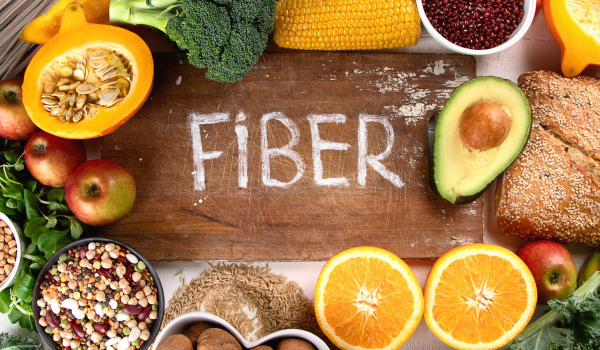
Fiber Slows Glucose Absorption
Fiber helps regulate how quickly sugar enters the bloodstream.
Quality Matters More Than Quantity
Choosing high-quality carbohydrates improves blood sugar stability.
How Protein Supports Blood Sugar Balance
Protein plays an important stabilizing role.
Slowing Digestion And Absorption
Protein slows carbohydrate breakdown, preventing sharp blood sugar spikes.
Supporting Satiety
Protein helps maintain fullness and reduces frequent snacking.
Enhancing Hormonal Balance
Protein supports hormones involved in glucose regulation.
Including Protein At Every Meal
Consistent protein intake promotes steady energy throughout the day.
The Impact Of Dietary Fats On Blood Sugar
Fats influence how quickly food is digested.
Healthy Fats Slow Carbohydrate Absorption
Fats help slow digestion, leading to smoother blood sugar responses.
Supporting Hormonal Balance
Healthy fats support insulin sensitivity and metabolic function.
Avoiding Highly Processed Fats
Highly refined fats may contribute to inflammation and metabolic imbalance.
Balancing Fat Intake
Moderate fat intake supports satiety without excessive calorie intake.
The Importance Of Meal Timing And Composition
When and how food is eaten matters.
Balanced Meals Reduce Blood Sugar Spikes
Combining carbohydrates with protein and fat stabilizes digestion.
Avoiding Large Gaps Between Meals
Long periods without food can lead to overeating and blood sugar swings.
Consistent Meal Timing
Regular eating patterns help maintain steady energy levels.
Listening To Hunger Signals
Eating in response to physical hunger supports metabolic balance.
Foods That Help Maintain Stable Blood Sugar
Certain foods naturally support glucose balance.
High-Fiber Vegetables
Leafy greens, broccoli, and peppers slow digestion and improve glucose control.
Whole Grains
Brown rice, oats, and quinoa provide sustained energy.
Lean Proteins
Fish, poultry, beans, and tofu support stable blood sugar.
Healthy Fats
Avocados, nuts, seeds, and olive oil enhance meal balance.
Foods That May Disrupt Blood Sugar Balance
Some foods can cause rapid fluctuations.
Sugary Beverages
Sweetened drinks quickly raise blood sugar without providing fullness.
Refined Carbohydrates
White bread, pastries, and processed snacks digest rapidly.
Highly Processed Foods
Ultra-processed foods often combine refined carbs, fats, and sugars.
Skipping Meals
Skipping meals can lead to unstable blood sugar and overeating later.
Lifestyle Factors That Influence Blood Sugar Stability
Food choices work alongside lifestyle habits.
Physical Activity
Movement improves insulin sensitivity and glucose utilization.
Sleep Quality
Poor sleep disrupts blood sugar regulation and appetite hormones.
Stress Management
Chronic stress can elevate blood sugar levels.
Hydration
Adequate water intake supports metabolic processes.
Building Daily Habits For Stable Blood Sugar
Consistency supports long-term balance.
Prioritize Balanced Meals
Include protein, fiber, and healthy fats at each meal.
Plan Ahead When Possible
Prepared meals reduce impulsive food choices.
Eat Mindfully
Slower eating improves digestion and awareness of fullness.
Stay Flexible And Realistic
Sustainable habits matter more than perfection.
Signs Of Improved Blood Sugar Stability
Positive changes often appear quickly.
Steadier Energy Levels
Fewer energy crashes throughout the day.
Improved Focus And Mood
Better mental clarity and emotional balance.
Reduced Cravings
Less desire for sugary or refined foods.
Better Appetite Regulation
More consistent hunger and fullness cues.
Conclusion
Food choices play a powerful role in maintaining stable blood sugar levels. By focusing on balanced meals, high-quality carbohydrates, adequate protein, and healthy fats, it becomes easier to support energy, focus, and overall well-being. Rather than eliminating foods or following rigid rules, small consistent habits create lasting improvements. Understanding how nutrition affects blood sugar empowers healthier choices that support long-term vitality and balance.













.png)
.png)

.png)



.png)
.png)

.png)

.png)
.png)
.png)
.png)
.png)
.png)



.png)
.png)
.png)
.png)
.png)
.png)




.png)
.png)

.png)