
.png)
Fats have long been misunderstood in the world of nutrition. For years, they were seen as something to avoid, blamed for weight gain and health problems. Today, science paints a clearer picture: not all fats are harmful, and many are essential for good health. Understanding the difference between healthy and unhealthy fats can help improve energy levels, heart health, brain function, and overall well-being. Learning how to choose the right fats without fear or confusion allows for a more balanced and sustainable approach to eating.
Why Fats Are Essential For The Body
Fats play a crucial role in daily bodily functions.
Energy Storage And Fuel
Fats provide a concentrated source of energy, supplying more calories per gram than carbohydrates or protein. This energy supports long-lasting physical activity and basic bodily functions.
Supporting Cell Structure
Every cell membrane in the body relies on fat to maintain flexibility and integrity, allowing cells to function properly.
Hormone Production And Regulation
Fats are involved in the production of important hormones that regulate metabolism, mood, and growth.
Absorption Of Fat-Soluble Vitamins
Vitamins A, D, E, and K require fat for proper absorption and utilization.
Understanding The Different Types Of Dietary Fats
Not all fats affect the body in the same way.
Unsaturated Fats And Their Benefits
Unsaturated fats support heart health and help reduce inflammation when consumed in appropriate amounts.
Saturated Fats And Moderation
Saturated fats are naturally present in many foods and can be part of a balanced diet when consumed in moderation.
Trans Fats And Why They Should Be Avoided
Artificial trans fats negatively impact cholesterol levels and increase the risk of heart disease.
Natural Versus Processed Fat Sources
Whole-food sources of fat generally provide more nutrients and fewer harmful compounds than processed options.
Healthy Fats And Their Health Benefits
Healthy fats support multiple aspects of wellness.
Heart Health Support
Unsaturated fats help maintain healthy cholesterol levels and support cardiovascular function.
Brain Function And Cognitive Health
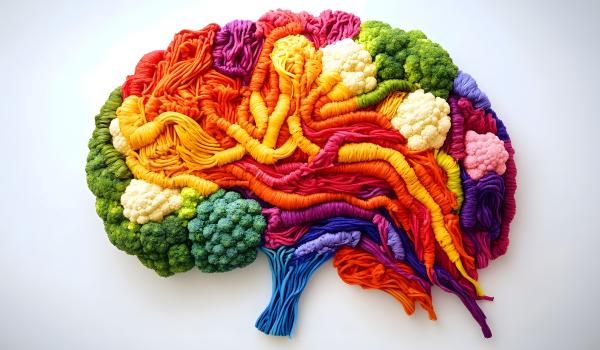
The brain is largely composed of fat, making healthy fat intake essential for memory, focus, and mood.
Reduced Inflammation
Certain fats help regulate inflammatory processes in the body.
Improved Nutrient Absorption
Healthy fats help the body absorb fat-soluble vitamins more efficiently.
Unhealthy Fats And Their Impact On Health
Not all fats benefit the body.
Trans Fats And Cardiovascular Risk
Trans fats increase harmful cholesterol while lowering beneficial cholesterol.
Highly Processed Fats
Highly refined oils and fried foods may contribute to inflammation and metabolic stress.
Excess Saturated Fat Intake
Consuming large amounts of saturated fat may negatively affect heart health for some individuals.
Hidden Sources Of Unhealthy Fats
Packaged snacks, fast food, and baked goods often contain unhealthy fats that are easy to overlook.
How To Identify Healthy And Unhealthy Fats On Food Labels
Food labels provide useful clues.
Reading The Fat Breakdown
Labels list total fat along with saturated and trans fat content.
Checking Ingredient Lists
Hydrogenated or partially hydrogenated oils indicate trans fats.
Understanding Marketing Claims
Terms like “natural” or “light” do not always mean healthy.
Comparing Similar Products
Comparing fat quality across similar foods helps make better choices.
How Much Fat Should You Eat Daily?
Fat intake varies based on lifestyle and individual needs.
Balanced Fat Intake
A moderate amount of fat supports energy and nutrient absorption.
Quality Over Quantity
The type of fat consumed is often more important than the total amount.
Listening To Body Signals
Energy levels, digestion, and satiety can guide fat intake needs.
Adjusting Intake Over Time
Needs may change with age, activity level, and health conditions.
Healthy Fat Food Sources To Include Regularly
Incorporating a variety of healthy fats supports balance.
Plant-Based Fat Sources
Avocados, nuts, seeds, olives, and plant oils provide beneficial fats.
Fatty Fish And Omega-3s
Fish such as salmon, sardines, and mackerel support heart and brain health.
Whole Food Options Over Processed Choices
Choosing whole foods ensures higher nutritional value.
Balancing Fat With Other Nutrients
Pairing fats with fiber and protein improves digestion and satisfaction.
How Healthy Fats Support Weight Management
Fat can support, not hinder, weight goals.
Increased Satiety And Fullness
Fats slow digestion and help reduce frequent hunger.
Reduced Cravings
Balanced fat intake can stabilize blood sugar and appetite.
Supporting Metabolic Health
Healthy fats support metabolic processes involved in energy regulation.
Avoiding Extreme Fat Restriction
Overly restrictive diets often lead to imbalance and overeating.
Common Myths About Dietary Fats
Misunderstandings can create unnecessary fear.
Eating Fat Does Not Automatically Cause Weight Gain
Overall calorie balance and food quality matter more than fat alone.
Low-Fat Does Not Always Mean Healthy
Low-fat products often contain added sugars or refined carbohydrates.
All Saturated Fat Is Not Identical
Different food sources impact health differently.
Fat Is Essential, Not Optional
Completely avoiding fat can negatively affect health and hormone balance.
Building Balanced Meals With Healthy Fats
Incorporating fats into meals can be simple.
Add Fats To Vegetables
Using olive oil or avocado enhances nutrient absorption.
Include Protein And Fiber
Balanced meals improve fullness and digestion.
Use Cooking Methods Wisely
Gentle cooking methods preserve fat quality.
Practice Moderation Without Restriction
Balanced eating allows flexibility and enjoyment.
Long-Term Health Benefits Of Choosing The Right Fats
Consistent fat quality supports lifelong wellness.
Improved Heart Health
Healthy fats support cardiovascular function.
Better Brain Performance
Adequate fat intake supports cognition and memory.
Enhanced Nutrient Absorption
Fat-soluble vitamins are better utilized.
Support For Healthy Aging
Balanced fat intake contributes to physical and cognitive longevity.
Conclusion
Fats are an essential part of a healthy diet, not something to fear or eliminate. Understanding the difference between healthy and unhealthy fats allows for smarter food choices that support energy, heart health, and overall well-being. By focusing on quality, balance, and variety, it becomes easier to include fats in a way that supports long-term health without restriction or confusion. Explore more nutrition insights to continue building a balanced and sustainable approach to eating.















.png)
.png)

.png)


.png)
.png)

.png)

.png)
.png)
.png)
.png)
.png)
.png)



.png)
.png)
.png)
.png)
.png)
.png)



.png)
.png)

.png)


