
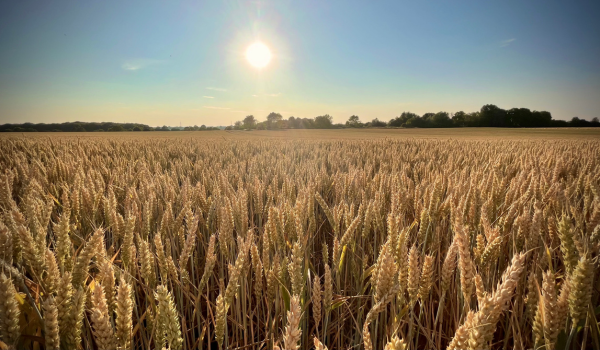
Barley (Hordeum vulgare L.) is a nutrient-dense whole grain commonly used in soups, salads, breads, and side dishes. It has been consumed for centuries due to its rich fiber content and impressive health benefits. Although much of the barley grown in the U.S. is used for malting, this grain still deserves a place in a balanced diet.
However, barley contains gluten, making it unsuitable for individuals with celiac disease or gluten sensitivity.
Supports Digestive Health
Barley contains two powerful types of soluble fiber—beta-glucans and inulin—which act as prebiotics. These fibers nourish beneficial gut bacteria, helping them grow and maintain a healthy digestive environment.
A healthy gut microbiome supports digestion, reduces inflammation, and may lower the risk of digestive conditions such as constipation, irritable bowel syndrome (IBS), inflammatory bowel disease (IBD), and colorectal cancer.
Soluble fiber is especially beneficial because it is easily fermented by gut bacteria, producing compounds that support intestinal health and overall well-being.
Helps Lower Cholesterol Levels
Barley is particularly rich in beta-glucans, a type of soluble fiber known for its cholesterol-lowering effects. High cholesterol affects a significant portion of adults and increases the risk of heart disease and stroke.
Studies show that soluble fiber can lower LDL (“bad”) cholesterol by 5–10%. Barley helps remove excess cholesterol by increasing its excretion through digestion while maintaining healthy HDL (“good”) cholesterol levels.
Consuming about 6–7 grams of barley beta-glucans daily for several weeks has been shown to significantly reduce LDL cholesterol levels, making barley a heart-friendly food choice.
Supports Healthy Blood Sugar Control
Barley is a carbohydrate-rich food that can help stabilize blood sugar levels. Its fiber and beta-glucan content slow digestion and reduce post-meal blood sugar spikes.
Research shows that meals containing barley improve glucose and insulin responses compared to meals made with refined grains. Studies also suggest that combining barley with refined carbohydrates—such as white rice—can significantly lower blood sugar spikes after meals.
Regular consumption of whole grains like barley is also linked to a reduced risk of developing type 2 diabetes.
May Reduce Inflammation
Barley may help reduce inflammation, especially in people with metabolic disorders such as insulin resistance or high cholesterol. This benefit comes from its low glycemic index, antioxidant compounds, resistant starch, and fiber content.
Research indicates that diets including barley-rich foods increase antioxidant levels in the body. Higher antioxidant activity helps neutralize inflammation and protect cells from damage.
Nutritional Value of Barley
Barley is rich in carbohydrates but also provides fiber, protein, vitamins, and minerals. Even pearled barley—though not a whole grain—retains significant nutritional value.
One cup of cooked pearled barley contains approximately:
-
Calories: 193
-
Carbohydrates: 44 g
-
Fat: 0.7 g
-
Sodium: 5 mg
-
Fiber: 6 g (21% DV)
-
Protein: 3.5 g
-
Selenium: 25% DV
-
Niacin: 20% DV
-
Zinc: 12% DV
-
Thiamin: 11% DV
-
Iron: 11% DV
Barley also supplies potassium, magnesium, phosphorus, and calcium. These nutrients support heart health, metabolism, nerve function, and immune health.
Potential Risks of Eating Barley
Barley is not suitable for everyone.
Contains gluten
People with celiac disease or gluten sensitivity should avoid barley entirely.
May cause digestive discomfort
Barley contains fructans, a type of carbohydrate that may cause bloating, gas, or diarrhea in people with sensitive digestive systems or IBS.
High fiber content
Suddenly increasing fiber intake can lead to bloating or discomfort. Increase intake gradually and drink plenty of fluids to support digestion.
Tips for Eating Barley
Barley comes in several forms, each with different textures and cooking uses:
-
Hulled barley: Whole grain with only the outer husk removed
-
Barley grits: Cracked barley kernels
-
Barley flakes: Flattened grains that cook quickly
-
Barley flour: Often mixed with wheat flour for baking
-
Pearled barley: Partially refined but still nutrient-rich
Here are easy ways to include barley in your meals:
-
Add cooked barley to soups or stews
-
Use barley as a base for grain salads
-
Replace rice or pasta with barley
-
Cook barley flakes like oatmeal
-
Mix barley flour into bread or baked goods
Barley’s chewy texture and mild flavor make it easy to incorporate into both savory and sweet dishes.
A Quick Review
Barley is a fiber-rich whole grain that supports digestion, heart health, blood sugar control, and inflammation management. While it’s not suitable for people with gluten intolerance, it can be a valuable addition to a balanced diet for most individuals. Eating barley regularly may help improve metabolic health and overall well-being when consumed as part of a nutrient-rich diet.






.png)
.png)

.png)


.png)
.png)

.png)

.png)
.png)
.png)
.png)
.png)
.png)



.png)
.png)
.png)
.png)
.png)
.png)


.png)
.png)

.png)


