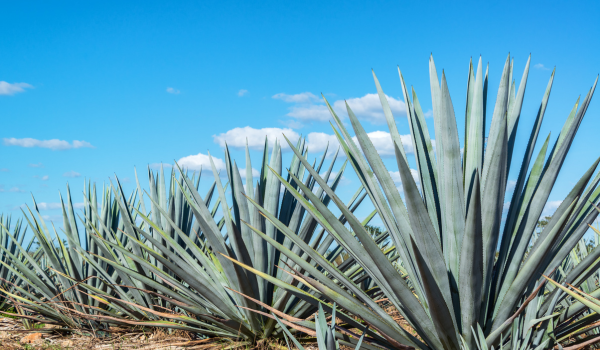
Agave is a natural sweetener derived from the agave plant and is often used as an alternative to sugar. It has a lower glycemic index than many sweeteners and contains compounds that may support digestive health. However, excessive intake may negatively affect liver health, so moderation is key.
May Help Prevent Blood Sugar Spikes
Agave has a relatively low glycemic index, typically ranging from 10 to 27. This means it causes a slower rise in blood sugar compared to table sugar or honey, which both have much higher glycemic values.
Because of this, agave may be a more suitable sweetener for individuals managing blood sugar levels, including those with prediabetes. However, blood sugar response depends on the full meal, not just one ingredient. When agave is consumed alongside fiber, protein, or healthy fats, its effect on blood sugar may be further balanced.
Supports Gut Health
Agave contains special plant fibers known as agavins, which function as prebiotics. Prebiotics feed beneficial gut bacteria and help maintain a healthy digestive environment.
Research suggests that agavins pass through the digestive tract undigested until they reach the colon, where they are fermented into short-chain fatty acids such as butyrate. These compounds support immune health, reduce inflammation, and improve metabolic function.
Studies have also shown that agave inulin may positively alter gut microbiota composition, supporting overall digestive balance.
Promotes Regular Bowel Movements
Agave may help relieve constipation by increasing fiber intake and improving gut motility. Research shows that consuming around 8 grams of agave fructans daily may increase stool frequency and improve stool consistency.
These benefits are partly due to agave’s ability to support beneficial gut bacteria, which play a key role in maintaining regular bowel movements and digestive comfort.
How to Use Agave
Agave is available in several forms, each with different uses:
-
Agave syrup (nectar): Commonly used as a sweetener in drinks, oatmeal, and baked goods
-
Agave inulin powder: Often used as a dietary supplement to support gut health
Agave syrup has a lower glycemic index than refined sugar, but it is still considered an added sugar and should be consumed in moderation.
Recommended Intake
There is no official daily intake for agave, but general guidelines suggest:
-
Added sugars should make up no more than 10% of daily calories
-
For agave inulin, studies suggest up to 7.5 grams per day is generally safe for healthy individuals
Excess intake may cause bloating, gas, or digestive discomfort, especially for those not used to high-fiber foods.
Is Agave Safe?
Agave is considered safe for most people when consumed in moderate amounts. However, individuals with digestive conditions should consult a healthcare provider before using agave inulin supplements.
People with liver conditions or diabetes should be cautious, as agave syrup contains a high amount of fructose, which is metabolized primarily in the liver.
Possible Side Effects
Agave is generally well tolerated, but potential side effects may include:
-
Gas or bloating
-
Abdominal discomfort
-
Digestive upset when consumed in large amounts
These effects are usually temporary and can be minimized by gradually increasing intake.
What to Look for When Buying Agave
Agave is commonly available as nectar or powdered inulin. When choosing a product:
-
Look for third-party tested supplements when possible
-
Choose light or amber agave nectar based on flavor preference
-
Avoid products with added sugars or artificial ingredients
Because supplement quality varies, consult a healthcare professional if you plan to use agave regularly for health purposes.
Can You Have Too Much Agave?
Yes. Consuming excessive amounts—especially more than 20 grams of agave inulin per day—may cause digestive discomfort. High intake of agave syrup may also contribute to liver strain due to its high fructose content.
Over time, excessive fructose intake has been linked to fatty liver disease and metabolic disorders. Moderation is essential.















.png)
.png)

.png)



.png)
.png)

.png)

.png)
.png)
.png)
.png)
.png)
.png)



.png)
.png)
.png)
.png)
.png)
.png)




.png)
.png)

.png)