
As people age, their nutritional needs change in ways that directly influence their health, mobility, and quality of life. A well-balanced diet can strengthen the immune system, support muscle mass, improve digestion, promote heart health, and maintain cognitive function. However, many older adults struggle with appetite changes, slower metabolism, and nutrient deficiencies. This guide explores the essential nutrients, healthy eating habits, and practical strategies that help older adults stay strong, active, and energized.
Understanding The Unique Nutritional Needs Of Older Adults
Aging affects the body in multiple ways, changing how nutrients are absorbed, processed, and utilized. Understanding these changes is the first step toward building a diet that supports long-term health.
Changes In Metabolism And Energy Needs
Metabolism naturally slows with age, which means older adults require fewer calories but higher nutrient density. Eating smaller portions with more vitamins, minerals, and protein helps maintain energy without unnecessary weight gain.
Decreased Appetite And Taste Sensitivity
Many older adults experience reduced appetite or changes in taste and smell. These shifts can lead to inadequate nutrient intake. Including colorful, flavorful meals and experimenting with herbs and spices can help make food more appealing.
Digestive Changes And Absorption Issues
As the digestive system slows, the body may absorb nutrients less efficiently. This is especially common with vitamin B12, calcium, and vitamin D, making it important to include foods rich in these nutrients or discuss supplementation with a healthcare provider.
Higher Protein Needs For Muscle Maintenance
Muscle mass declines gradually with age, increasing the risk of frailty and falls. Older adults need more high-quality protein to support muscle repair and mobility. Lean meats, dairy, beans, tofu, and eggs are excellent choices.
Essential Nutrients That Support Healthy Aging
A well-rounded diet for older adults contains specific nutrients that promote strength, immunity, and cognitive health.
Protein For Muscle And Strength
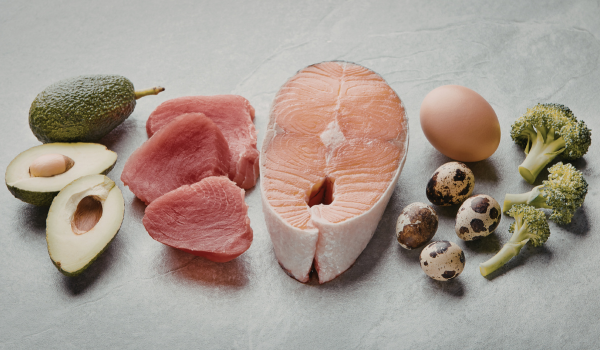
Lean meats, fish, eggs, beans, and dairy provide essential amino acids that help maintain muscle mass. Including protein at each meal supports balance, mobility, and overall vitality.
Calcium And Vitamin D For Bone Health
Bone density decreases with age, increasing the risk of fractures. Calcium-rich foods—such as yogurt, milk, cheese, broccoli, and fortified plant milks—combined with vitamin D from sunlight or fatty fish help protect bone strength.
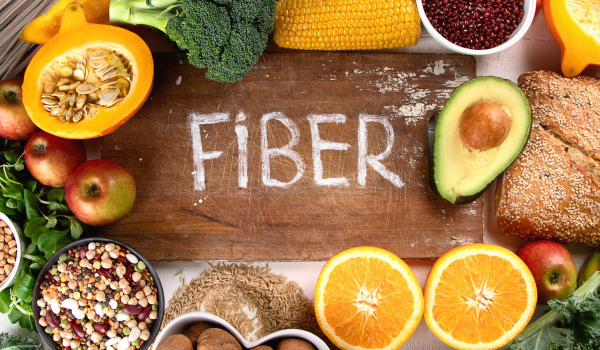
Fiber For Digestive Health
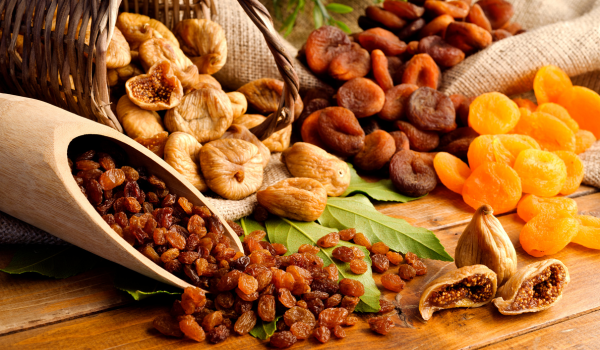
Fiber improves digestion, prevents constipation, and supports healthy cholesterol levels. Whole grains, fruits, vegetables, nuts, and legumes are excellent sources of fiber. Older adults benefit from including fiber throughout the day to maintain regularity.
Omega-3 Fatty Acids For Heart And Brain Function
Fatty fish like salmon, sardines, and mackerel contain omega-3s that support cognitive health and reduce inflammation. These healthy fats also lower the risk of heart disease, which becomes more common with age.
Vitamin B12 For Cognition And Energy
Vitamin B12 is crucial for nerve function and red blood cell formation. Because absorption decreases with age, older adults should consume fortified cereals, dairy, fish, or discuss supplementation with a healthcare provider.
Antioxidants For Cellular Protection
Fruits and vegetables rich in vitamins A, C, and E help fight oxidative stress. Berries, leafy greens, carrots, tomatoes, and nuts protect cells and support immune function.
Healthy Foods That Benefit Older Adults
Choosing nutrient-dense foods makes it easier for older adults to meet their nutritional needs even with smaller meal portions.
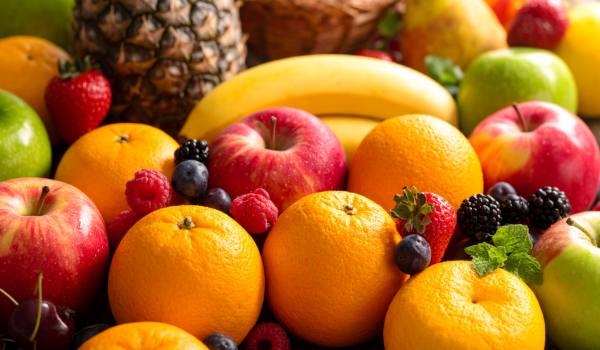
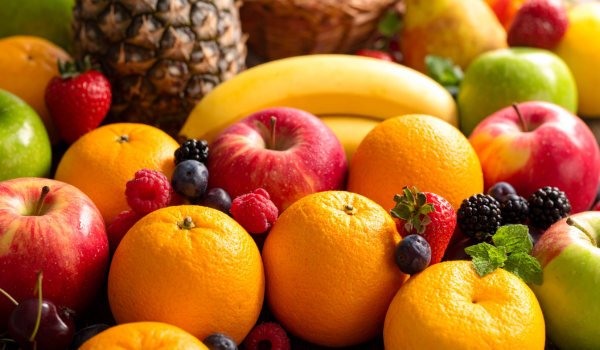
Colorful Fruits And Vegetables
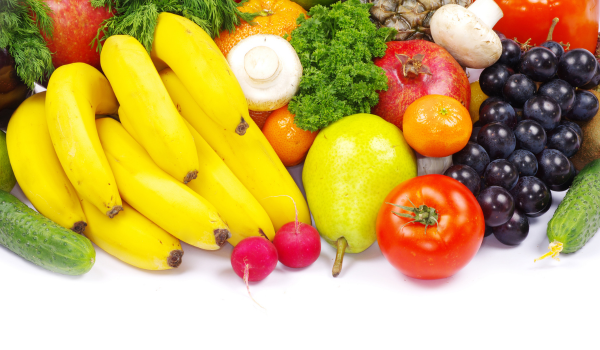
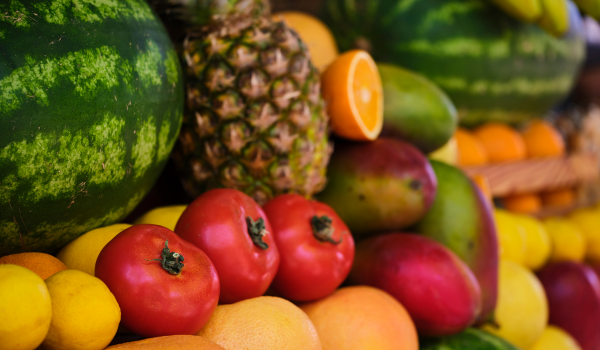
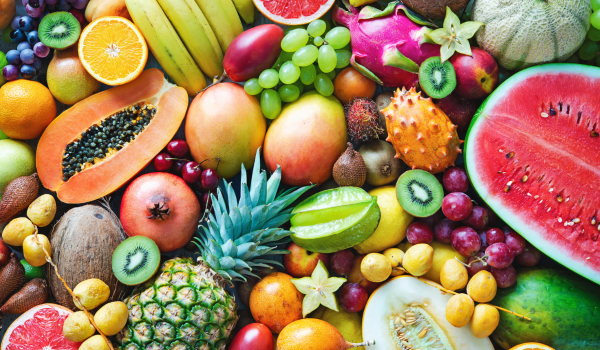
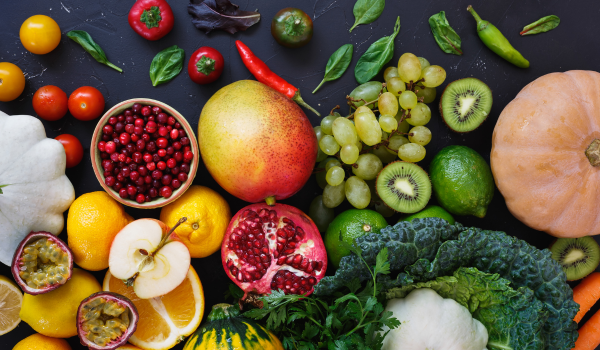
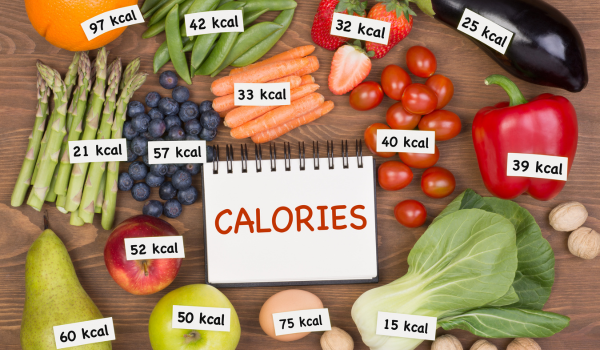
Brightly colored produce—such as berries, oranges, spinach, kale, carrots, and tomatoes—offers vitamins, minerals, and antioxidants. Eating a wide range of colors helps ensure a variety of nutrients.
Whole Grains For Steady Energy
Oats, quinoa, brown rice, and whole wheat products provide fiber and slow-release energy. These foods help maintain stable blood sugar and support cardiovascular health.
Lean Proteins For Daily Strength
Chicken, turkey, fish, eggs, tofu, and legumes supply essential protein for muscle maintenance. Including protein in every meal can help older adults stay strong and active.
Low-Fat Dairy And Fortified Alternatives
Milk, yogurt, and cheese provide calcium, protein, and vitamin D. For those who prefer plant-based options, fortified soy, almond, or oat milk work well.
Healthy Fats For Heart Wellness
Avocados, olive oil, nuts, seeds, and fatty fish support heart health and provide anti-inflammatory benefits. These fats can be easily added to salads, soups, or breakfast bowls.
Hydrating Foods And Fluids
Older adults sometimes forget to drink enough water. Hydrating foods like cucumbers, watermelon, oranges, and soups help maintain adequate fluid intake throughout the day.
Foods And Habits To Limit For Better Health
While adding nutrient-rich foods is important, limiting certain foods can significantly improve long-term health outcomes for older adults.
High-Sodium Foods
Packaged snacks, canned soups, and processed meats raise blood pressure and increase the risk of heart disease. Choosing low-sodium options supports healthier circulation.
Sugary Snacks And Beverages
Sugary foods contribute to weight gain, diabetes, and inflammation. Opting for fruit-based desserts or naturally sweet snacks can help control sugar intake without feeling restricted.
High-Saturated-Fat Foods
Fried foods, fatty meats, and full-fat dairy products may worsen cholesterol levels. Healthier fats such as olive oil and avocado are better alternatives.
Alcohol In Excess
Alcohol affects balance, hydration, and liver function. Limiting alcoholic beverages is important for preventing falls, confusion, and medical complications.
Practical Nutrition Strategies For Older Adults
Simple habits can make a big difference in ensuring older adults receive the nutrients they need.
Eat Smaller, More Frequent Meals
If appetite is low, smaller meals or nutrient-dense snacks throughout the day can help maintain steady energy without overwhelming the digestive system.
Prioritize Soft And Easy-To-Chew Foods
Dental issues can make eating difficult. Soft foods like soups, stews, yogurt, mashed vegetables, and smoothies provide nutrients without causing discomfort.
Plan Balanced Plates
Aim for a balanced plate that includes protein, vegetables, whole grains, and healthy fats. This ensures nutrient variety and supports overall well-being.
Enhance Flavor Naturally
Using herbs like basil, rosemary, turmeric, and garlic can make meals more flavorful without relying on salt.
Stay Consistently Hydrated
Carrying a water bottle, drinking herbal teas, or including broths can help older adults maintain hydration, which is crucial for digestion and cognitive health.
Consider Supplements When Needed
Supplements for vitamin D, calcium, B12, or omega-3s may be recommended. Always consult a healthcare provider before taking supplements to ensure proper dosage and safety.
Conclusion
Good nutrition is one of the most powerful tools for supporting healthy aging. By focusing on nutrient-rich foods, managing portion sizes, staying hydrated, and incorporating balanced meals, older adults can improve their immunity, mobility, energy levels, and overall quality of life. Begin applying these habits today and explore more resources to continue building a strong foundation for lifelong wellness.







.png)
.png)
.png)


.png)
.png)

.png)
.png)
.png)
.png)
.png)
.png)
.png)



.png)
.png)
.png)
.png)
.png)
.png)


.png)
.png)

.png)