
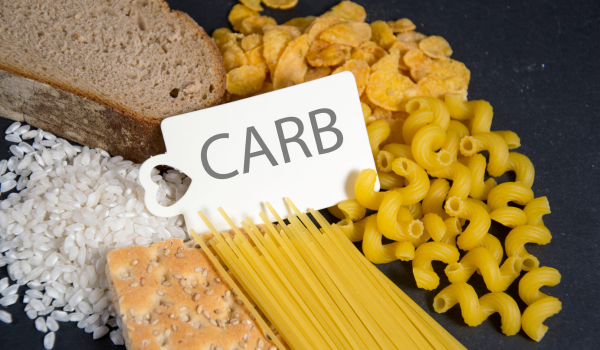
Carbohydrates are one of the three main macronutrients your body needs in large amounts. They are commonly grouped into refined carbohydrates and complex carbohydrates based on how much processing they undergo.
Refined carbs are heavily processed, which removes much of their fiber and some vitamins and minerals. Complex carbs, on the other hand, are mostly unprocessed and naturally rich in nutrients. While refined carbohydrates are often linked to poorer health outcomes, they are not inherently unhealthy and can still fit into a balanced diet when consumed in moderation.
Refined Carbs vs. Complex Carbs
Carbohydrates differ greatly depending on their level of processing.
complex carbohydrates
Complex carbs include foods such as whole fruits, beans, legumes, and whole grains. These foods retain their natural structure and provide fiber, vitamins, and minerals that support overall health.
Whole grains contain three parts: the bran, germ, and endosperm. The bran and germ are especially rich in fiber, B vitamins, and minerals like iron.
refined carbohydrates
Refined grains—such as white flour and white rice—have had the bran and germ removed. This makes them lower in fiber and many nutrients. Refined carbs also include foods made with refined grains, such as baked goods and snack foods, as well as refined and processed sugars like corn syrup.
Nutrition Differences
Refined carbohydrates are digested quickly and have a stronger effect on blood sugar.
fiber and protein content
Because refined carbs lack fiber and protein, they do not slow digestion the way complex carbs do. This leads to faster spikes in blood sugar and less sustained energy.
Whole grain flours contain significantly more fiber and protein than refined flours. Diets high in refined carbs are associated with a greater risk of obesity, type 2 diabetes, and other metabolic conditions.
vitamins and minerals
Refined carbs are generally lower in minerals such as magnesium and iron. Some refined grain products are enriched or fortified, meaning nutrients lost during processing—or nutrients not originally present—are added back in, such as iron and folic acid.
Do Refined Carbs Have Any Health Benefits?
Compared to complex carbs, refined carbs are usually less nutritious. However, they can still serve specific purposes.
quick energy source
Refined carbohydrates provide fast-digesting energy. This can be useful for athletes, people engaging in intense physical activity, or individuals who need rapid blood sugar support.
nutrient fortification
Some refined products, such as enriched flour and breakfast cereals, contain added nutrients. Fortification with folic acid, for example, has played an important role in reducing the risk of certain birth defects by helping people meet folate needs.
Provide Fast-Acting Energy
Refined carbs are absorbed quickly because they are low in fiber and protein.
exercise and recovery support
This rapid digestion makes refined carbs useful before or after intense exercise. They can help fuel workouts and replenish glycogen, the stored form of glucose that powers muscles.
That said, some complex carbs—like fruits—can also support performance and recovery while providing additional nutrients.
Fortified Products Contain Added Nutrients
Some refined carbs are nutritionally enhanced through enrichment or fortification.
public health role
Staple foods such as white flour and cereals are often fortified with nutrients like iron and folic acid. This has helped reduce nutrient deficiencies across populations, especially among children and pregnant individuals.
How Many Carbs Do You Need?
Carbohydrate needs vary based on age, sex, activity level, and health status.
general guidelines
Experts suggest that carbohydrates provide about 45–65% of total daily calories, with fats contributing 20–35% and protein 10–35%.
Some people feel better on lower-carb diets, such as high-protein or ketogenic approaches, particularly those managing blood sugar issues. Others—like endurance athletes—often benefit from higher carbohydrate intake.
Because needs vary widely, individualized guidance from a healthcare provider is often helpful.
Choosing the Right Carbs for Health
Regardless of total carb intake, quality matters.
prioritize complex carbohydrates
Most carbohydrate intake should come from vegetables, fruits, beans, and whole grains. Dietary guidelines recommend that at least half of daily grain intake come from whole grains.
Limiting refined carbs while emphasizing complex ones is generally associated with better long-term health.
Common Sources of Refined Carbs
Refined carbohydrates are widespread in modern diets.
foods high in refined carbs
-
White bread, bagels, and tortillas
-
White flour
-
White rice
-
Pasta made from refined flour
-
Crackers, chips, and processed snacks
-
Cakes, cookies, cupcakes, and pastries
-
Cereals made with refined grains
-
Pizza and fast food
-
Foods made with added sugars, such as candy and desserts
Added sugars are often grouped with refined carbs because they are processed sweeteners added during manufacturing.
Potential Risks and Side Effects
Refined carbs are easier to overconsume than complex carbs.
blood sugar and weight effects
Their low fiber and protein content leads to faster digestion and larger blood sugar spikes. Diets high in refined carbs are linked to increased risk of type 2 diabetes, metabolic syndrome, weight gain, and obesity.
High intake of refined grains has also been associated with a greater risk of certain chronic diseases compared to diets rich in whole, unprocessed carbs.
Other Important Considerations
Refined carbs do not need to be completely avoided.
balance and meal pairing
Health outcomes depend on overall dietary patterns. Enjoying refined carbs occasionally as part of a balanced diet is perfectly reasonable.
Pairing refined carbs with protein, fiber, and healthy fats—such as combining white rice or pasta with vegetables and lean protein—can slow digestion, reduce blood sugar spikes, and increase satiety.















.png)
.png)
.png)



.png)
.png)

.png)

.png)
.png)
.png)
.png)
.png)
.png)



.png)
.png)
.png)
.png)
.png)
.png)



.png)
.png)

.png)


