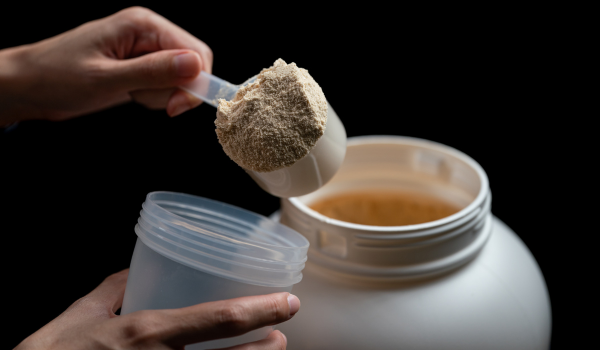
Whey protein is the liquid portion of milk that separates from curds during the cheesemaking process. It is one of the most commonly used protein supplements, especially among athletes and people looking to increase their daily protein intake.
Whey protein is often promoted for improving muscle strength, muscle mass, and post-workout recovery. However, it’s important to understand that whey protein is not always necessary for everyone.
Do You Need Whey Protein?
Whey protein can be a convenient way to increase protein intake, but most people can meet their needs through a balanced diet alone.
Protein should generally account for about 10–35% of total daily calories. Since protein provides four calories per gram, this equals roughly 50–175 grams of protein per day on a 2,000-calorie diet.
To put this into perspective, a palm-sized serving of chicken breast (around three ounces) provides approximately 24 grams of protein.
If your meals already include adequate portions of protein-rich foods, adding whey protein may not be necessary.
Who Can Benefit From Whey Protein?
Whey protein is a complete protein, meaning it contains all nine essential amino acids your body cannot produce on its own. Certain groups may benefit from whey protein supplementation due to higher protein needs or difficulty meeting requirements through food alone.
Athletes
Whey protein is widely used by athletes and gym-goers aiming to improve performance and build muscle. This is largely due to its high concentration of amino acids, especially leucine, which plays a key role in stimulating muscle protein synthesis.
Whey protein may support muscle strength, enhance training adaptations, and improve recovery after exercise.
endurance athletes
Endurance athletes typically need 1.2–1.4 grams of protein per kilogram of body weight per day. For a 160-pound individual, this equals approximately 87–102 grams of protein daily.
strength athletes
Strength and resistance-trained athletes often require more protein, ranging from 1.4–2.0 grams per kilogram of body weight per day. A 160-pound strength athlete may need up to 145 grams of protein daily.
Consuming 20–25 grams of whey protein after workouts appears to support muscle recovery and growth.
Older Adults
As people age, protein needs increase to help maintain muscle mass and strength. Many adults over age 65 may require 1.0–1.5 grams of protein per kilogram of body weight per day, which is higher than standard recommendations.
Some older adults struggle to consume enough protein due to reduced appetite or chewing difficulties. In these cases, whey protein supplements can help improve muscle mass, physical function, and overall quality of life.
Injury Healing
Protein plays a crucial role in tissue repair and wound healing. After injury or surgery, protein needs may rise significantly.
During rehabilitation, protein intake may exceed 1.6 grams per kilogram of body weight per day, ideally divided into servings of 20–40 grams spread throughout the day.
Because appetite often decreases during recovery, whey protein shakes can be an effective way to meet protein needs when solid food intake is limited.
Weight Loss Surgery
After weight loss surgery, stomach size is reduced, making it difficult to eat large amounts of protein-rich foods. Protein shakes are commonly used in the early post-surgery period to support healing and prevent muscle loss.
Whey protein supplementation can help preserve lean muscle mass while promoting fat loss, which supports healthier body composition changes following surgery.
When Is Whey Protein Not Necessary?
If you regularly consume balanced meals that include eggs, meat, fish, beans, dairy, or plant-based protein sources, whey protein supplementation is usually unnecessary.
People with chronic kidney disease who are not on dialysis may also need to limit protein intake. In these cases, whey protein supplements may not be appropriate, and protein needs should be determined with guidance from a healthcare provider.
Other Considerations
Individuals with a cow’s milk allergy should avoid whey protein. Whey protein may also interact with certain medications, including drugs used to treat neurological conditions.
Consuming more than 30 grams of whey protein at one time may cause short-term side effects such as nausea, bloating, diarrhea, thirst, fatigue, headache, or reduced appetite.
Protein powders are classified as dietary supplements, meaning they are not regulated as strictly as foods or medications. When choosing a whey protein supplement, look for products that have been third-party tested by organizations such as NSF, USP, or Informed Choice to ensure purity and safety.
Always consult a healthcare professional before starting new supplements or making major dietary changes.
How To Get More Protein in Your Diet
Most healthy adults benefit from consuming two to three meals per day, each providing 25–30 grams of protein.
Whey protein powders typically contain about 25 grams of protein per scoop and can be mixed with milk, plant-based beverages, or added to smoothies, oatmeal, baked goods, or savory dishes.
However, whole foods should remain the primary source of dietary protein whenever possible.
natural ways to increase protein intake
-
Choose Greek yogurt instead of regular yogurt
-
Swap white rice or pasta for quinoa or high-protein pasta
-
Eat more beans and lentils
-
Choose eggs instead of cereal for breakfast
-
Add nuts or nut butter to meals and snacks
-
Snack on cottage cheese, edamame, or jerky
-
Include a protein source with every meal and snack
-
Keep canned tuna or chicken on hand for quick meals
A Quick Review
Whey protein is a high-quality, complete protein that can help increase daily protein intake.
Most people meet their protein needs through food alone, but whey protein can be beneficial for athletes, older adults, individuals recovering from injury, or those who struggle to eat enough protein.
If you’re unsure how much protein is right for you, consulting a registered dietitian can help you develop a personalized nutrition plan.















.png)
.png)
.png)



.png)
.png)

.png)

.png)
.png)
.png)
.png)
.png)
.png)



.png)
.png)
.png)
.png)
.png)
.png)



.png)
.png)

.png)