
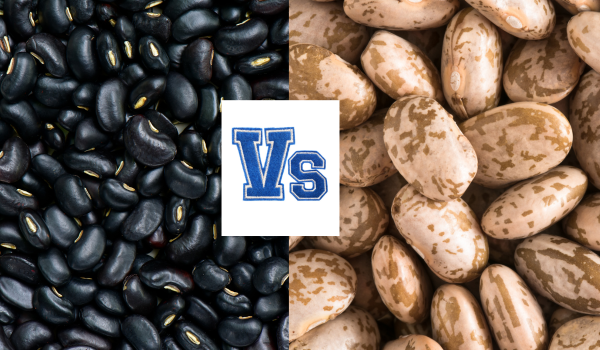
Black beans and pinto beans are both popular members of the legume family and are commonly used in soups, salads, chili, and plant-based meals. Although they differ slightly in taste and texture, their nutritional profiles—especially protein and fiber content—are remarkably similar.
Nutritional Comparison
Beans are widely recognized as a nutrient-dense plant-based protein source. Both black beans and pinto beans deliver comparable amounts of protein, fiber, and essential minerals.
Calories
Black beans provide approximately 227 calories per cooked cup, while pinto beans contain about 245 calories.
Protein
Black beans contain around 15.2 grams of protein per cup, and pinto beans provide about 15.4 grams.
Fiber
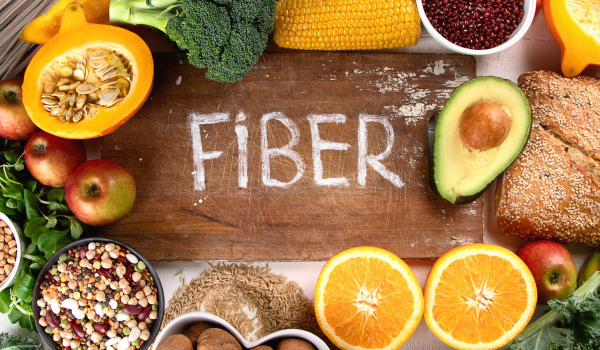
Both varieties deliver roughly 15 grams of dietary fiber per cup, making them excellent for digestive and metabolic health.
Micronutrients
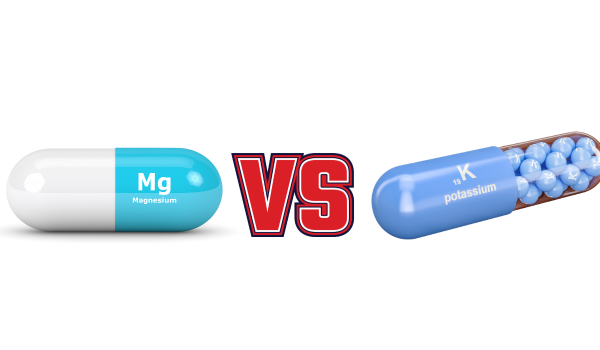
Pinto beans are slightly higher in calcium, potassium, folate, and selenium. Black beans provide more magnesium, which supports muscle and nerve function.
Vitamins
Pinto beans contain small amounts of vitamin C, while black beans contain virtually none.
Overall, the nutritional differences are minor and unlikely to have a meaningful impact on health for most people.
Health Benefits Of Black Beans And Pinto Beans
Regardless of which bean you choose, both offer powerful health benefits due to their fiber, protein, and mineral content.
Supports Heart Health
Beans are naturally low in fat and rich in fiber, potassium, magnesium, and calcium. Regular consumption has been associated with improved cholesterol levels, better blood pressure control, and a lower risk of cardiovascular disease.
Aids Weight Management
The combination of protein and fiber helps increase satiety, allowing you to feel full longer after meals. Research shows that people who regularly eat legumes tend to have lower body weight and smaller waist circumference.
Improves Gut Health
Black beans and pinto beans support a healthy gut microbiome. Their fermentable fiber feeds beneficial bacteria, which helps regulate digestion, inflammation, and immune health.
Helps Regulate Blood Sugar
Beans have a low glycemic index and digest slowly, preventing sharp spikes in blood sugar. This makes them a smart choice for people managing insulin resistance or aiming to reduce diabetes risk.
Supports Environmental Sustainability
As plant-based proteins, beans require fewer resources and produce fewer greenhouse gas emissions compared to animal protein sources.
Choosing Between Black Beans And Pinto Beans
Since the nutritional differences are minimal, the best option often depends on personal preference and cooking style.
Taste And Texture
Black beans tend to be firmer with a slightly earthy flavor, while pinto beans become creamier and milder when cooked.
How To Use Them
Both beans work well in soups, chili, grain bowls, tacos, salads, and vegetarian main dishes. They can also be seasoned and served as a standalone protein source.
Canned Vs. Dried Beans
Dried beans are lower in sodium but require soaking and longer cooking times. Canned beans are more convenient, but low-sodium options should be chosen and rinsed before use.
Final Takeaway
Black beans and pinto beans are both excellent sources of plant-based protein and fiber, offering nearly identical health benefits. Instead of choosing one over the other, incorporating both into your diet can provide nutritional balance, flavor variety, and long-term health support.





.png)
.png)
.png)
.png)
.png)

.png)
.png)
.png)
.png)
.png)
.png)
.png)



.png)
.png)
.png)
.png)
.png)
.png)

.png)
.png)

.png)


