
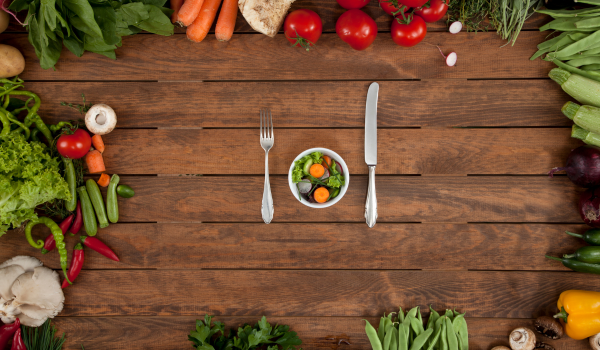
Building a low-carb grocery list means choosing foods that help keep daily carbohydrate intake below 130 grams, depending on how strict your plan is. This approach may support weight loss and improve heart health when done thoughtfully. Stocking your kitchen with the right foods makes it easier to stay consistent and choose nutritious options while shopping.
Low-carb diets range from moderate to very strict. More flexible versions allow a wider variety of foods, while very low-carb plans—such as keto—require limiting most high-carb items.
Fruits and Vegetables
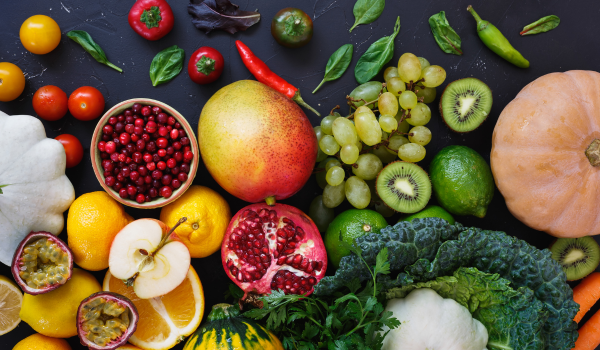
Fruits and vegetables vary widely in carbohydrate content. Non-starchy vegetables contain the fewest carbs and should form the foundation of a low-carb diet.
low-carb produce options
-
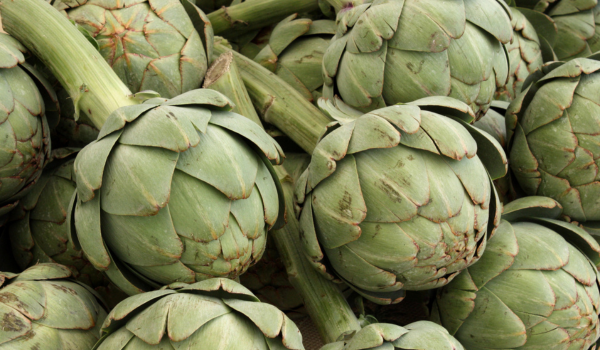
Non-starchy vegetables: asparagus, kale, broccoli, spinach, zucchini, onions, tomatoes, cucumbers, cauliflower, and artichokes
-
Lower-carb fruits: avocados, raspberries, coconut, lemons, and blackberries
Including produce is essential because vegetables and low-carb fruits provide fiber, vitamins, and minerals needed for overall health. Fiber is especially important on low-carb diets, as very low fiber intake can lead to constipation and negatively affect gut health. Fruits and vegetables also supply antioxidants that help protect cells from damage.
Lean Proteins
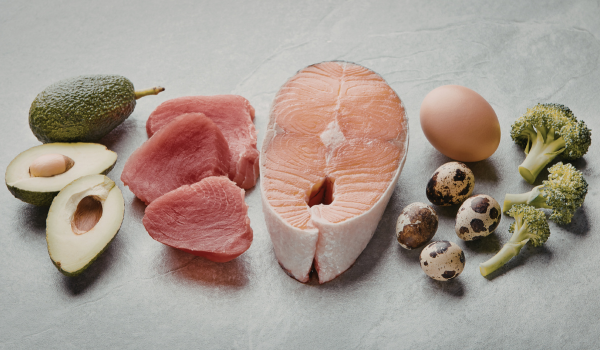
Protein-rich foods are central to low-carb eating. Meat, poultry, seafood, and eggs contain little to no carbohydrates and fit easily into most low-carb plans.
protein sources to include
-
Poultry: chicken, turkey, duck
-
Red meat: steak, ground meat, sausage
-
Seafood: salmon, tuna, sardines, oysters, shrimp
-
Eggs: whole eggs and egg yolks
-
Low-carb protein powders: unsweetened whey or pea protein
These foods provide key nutrients such as vitamin B12, iron, zinc, and selenium. Seafood also supplies omega-3 fatty acids, which help regulate inflammation and support brain and immune health. Fattier protein sources are especially useful for very low-carb, high-fat diets like keto.
Dairy Products
Many dairy foods can fit into a low-carb diet, though carb content varies by product.
low-carb dairy choices
-
Unsweetened yogurt and kefir
-
Sour cream
-
Cream cheese
-
Cottage cheese
-
Cheeses such as cheddar, mozzarella, goat, parmesan, and feta
-
Unsweetened milk and cream
Sweetened dairy products—such as flavored yogurts, chocolate milk, and ice cream—are typically higher in carbs and best avoided. Dairy provides protein, fats, and calcium, which is essential for bone strength, muscle function, nerve signaling, and hormone release.
Healthy Fats
Fats and oils are allowed on all low-carb diets and are especially important for keto-style eating.
healthy fats to stock
-
Olive oil
-
Coconut oil
-
Avocado oil
-
Butter
-
Ghee
On very low-carb diets, fats may provide a large portion of daily calories. Cooking with butter or coconut oil and adding olive or avocado oil to meals can help meet fat needs while enhancing flavor.
Nuts and Seeds
Nuts and seeds differ in carb content, but many work well in low-carb eating patterns.
low-carb nuts and seeds
-
Nuts: pecans, macadamia nuts, Brazil nuts, walnuts, hazelnuts, pine nuts, almonds
-
Seeds: pumpkin seeds, flaxseeds, chia seeds, hemp seeds, sunflower seeds, sesame seeds
-
Nut and seed butters: almond butter, macadamia nut butter, pumpkin seed butter
These foods provide fiber, healthy fats, protein, vitamins, and minerals. Regular consumption of nuts and seeds has been linked to improved heart health and reduced disease risk.
Frozen Foods
Frozen foods can be a smart and convenient addition to a low-carb grocery list.
low-carb frozen options
-
Frozen produce: spinach, kale, mushrooms, raspberries, broccoli
-
Frozen low-carb meals: breakfast, lunch, and dinner options designed for low-carb diets
-
Frozen specialty items: low-carb breads, wraps, pancakes, and ice cream
When choosing frozen meals, look for options made with whole ingredients such as vegetables and quality protein sources. Check sodium levels, as some prepared meals can be high in salt. Keto-friendly frozen treats are also widely available.
Low-Carb Condiments and Pantry Staples
Condiments and pantry items make it easier to prepare flavorful low-carb meals and snacks.
pantry essentials
-
Baking items: almond flour, coconut flour, monk fruit sweetener, unsweetened coconut flakes
-
Condiments: salsa, pesto, apple cider vinegar, mayonnaise, hot sauce, spices, mustard, coconut aminos
-
Snacks: turkey or beef sticks, low-carb protein bars, olives, low-carb chips, crackers
Shelf-stable low-carb snacks are helpful for managing hunger between meals and avoiding impulse purchases.
Tips for Planning Your Low-Carb Grocery Run
Planning ahead makes low-carb shopping easier and more effective.
simple planning strategies
-
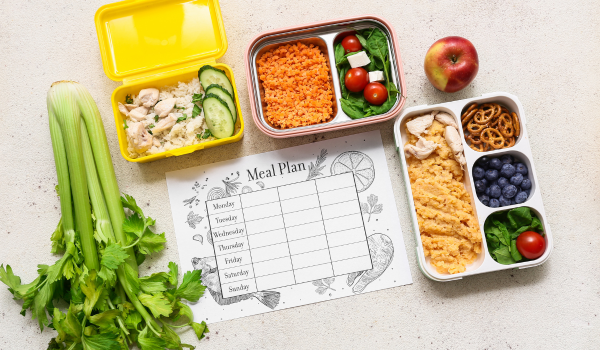
Keep a running grocery list of items needed for meals and snacks
-
Plan meals in advance and note required ingredients
-
Organize your list by store sections such as produce, dairy, frozen foods, and pantry
-
Focus mostly on whole, nutrient-dense foods and limit low-carb treats
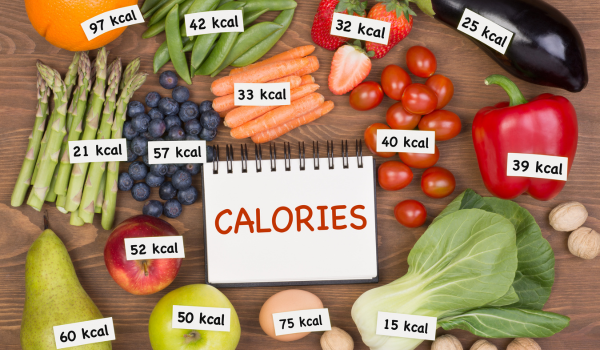
Understanding your daily carb target helps you choose foods that fit your plan. Stricter low-carb approaches require closer attention to carb, fat, and protein content. A well-planned shopping list can help you stay consistent and aligned with your health goals.






.png)
.png)
.png)
.png)
.png)

.png)
.png)
.png)
.png)
.png)
.png)
.png)



.png)
.png)
.png)
.png)
.png)
.png)


.png)
.png)

.png)


