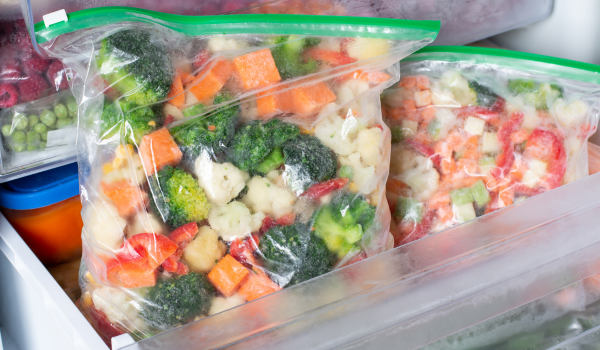
Frozen foods are often misunderstood as overly processed or unhealthy. In reality, many of the most nutritious foods in the grocery store are found in the freezer aisle. Frozen fruits and vegetables are harvested at peak ripeness, easy to use, and available year-round. They can also save time in the kitchen since they usually come washed, trimmed, and ready to cook or blend.
Here are several smart reasons to keep your freezer stocked with frozen produce all year long.
They’re Fully Mature at Harvest
The moment fruits and vegetables are picked, they begin to lose nutrients. How ripe they are at harvest—and how quickly they’re eaten—directly affects their nutritional value.
nutrients locked in at peak ripeness
Most frozen fruits and vegetables are harvested when fully ripe and frozen shortly afterward. This allows them to retain high levels of vitamins, minerals, and antioxidants. The freezing process helps preserve many of these nutrients before they have time to degrade.
By contrast, much of the fresh produce in grocery stores travels long distances before reaching shelves. To survive transport, it’s often harvested early and ripened later, which can limit its nutrient potential.
They’re Just as Nutritious as Fresh—Sometimes More
Frozen produce can be nutritionally equal to, and sometimes better than, fresh options.
comparable or higher nutrient levels
Research comparing fresh produce stored in the refrigerator with frozen equivalents has found that nutrient levels are often very similar. In some cases, frozen fruits and vegetables retain higher amounts of key nutrients such as vitamin C, vitamin E, fiber, and beneficial plant compounds.
Frozen produce has also been shown to contain higher levels of antioxidants like polyphenols, anthocyanins, lutein, and beta-carotene. Freezing does not destroy nutrients—in many cases, it helps preserve them.
They’re Free From Unnecessary Additives
Freezing is a natural preservation method that doesn’t require chemical additives.
simple ingredient lists
Most frozen fruits and vegetables contain just one ingredient: the fruit or vegetable itself. There’s typically no added sugar, salt, or preservatives—especially in plain, unseasoned varieties. Always check the label, but it’s easy to find “naked” produce with clean, simple ingredients.
They’re Healthy Time-Savers
Frozen produce is one of the easiest ways to make home cooking faster and more convenient.
less prep, more home-cooked meals
Frozen fruits and vegetables usually come washed, peeled, chopped, and ready to use. This eliminates prep work like trimming and cleaning, which can significantly reduce time spent in the kitchen.
By saving time, frozen produce makes it easier to prepare nutritious meals at home instead of relying on takeout or packaged foods when you’re busy.
They’re Incredibly Versatile
Frozen fruits and vegetables can be used in countless ways across meals and snacks.
easy ways to use frozen produce
Frozen fruit works well in smoothies, but it can also be gently warmed and used as a topping for oatmeal, yogurt, or whole-grain toast with nut butter.
Frozen vegetables make excellent bases for stir-fries, soups, and sautés. They can be cooked with olive oil, garlic, and herbs, mixed with quinoa or whole-grain pasta, and paired with lean proteins for balanced meals.
For quick side dishes, toss steamed frozen vegetables with all-natural pesto or olive tapenade. Flavor combinations like broccoli with sun-dried tomato pesto, spinach with roasted red pepper pesto, or green beans with olive tapenade are simple, nutritious, and ready in minutes.




.png)
.png)
.png)
.png)
.png)

.png)
.png)
.png)
.png)
.png)
.png)
.png)



.png)
.png)
.png)
.png)
.png)
.png)

.png)
.png)

.png)