
.png)
Nutrition is a fundamental part of everyday life, yet it is often misunderstood or overlooked. Every food choice you make provides your body with the building blocks it needs to function, grow, and repair itself. From maintaining energy levels to supporting long-term health, nutrition plays a central role in overall well-being.
While many people focus on short-term diets or trends, understanding the basics of nutrition offers a more sustainable and effective approach. It is not just about eating less or avoiding certain foods, but about providing your body with the right balance of nutrients.
Exploring what nutrition is and why it matters can help you make more informed decisions that support both your current health and your future quality of life.
What Nutrition Really Means
Nutrition refers to the process by which the body takes in and uses food to support essential functions. It involves the intake, digestion, absorption, and utilization of nutrients.
the role of nutrients in the body
Nutrients are substances found in food that the body needs to function properly. These include macronutrients such as carbohydrates, proteins, and fats, as well as micronutrients like vitamins and minerals.
Each type of nutrient serves a specific purpose. Carbohydrates provide energy, proteins support tissue repair and growth, and fats help with energy storage and nutrient absorption.
how the body processes food
When you eat, your body breaks down food into smaller components that can be absorbed and used. This process involves multiple systems working together, including the digestive, circulatory, and metabolic systems.
Efficient nutrition supports these processes and helps maintain overall balance.
Why Nutrition Is Important For Daily Life
Nutrition affects nearly every aspect of health and daily functioning.
supporting energy levels
The food you consume provides the energy needed for daily activities. Balanced meals help maintain steady energy levels throughout the day.
Poor nutrition can lead to fatigue and reduced productivity.
maintaining body functions
Nutrients support essential functions such as breathing, circulation, and temperature regulation. They also play a role in hormone production and immune function.
Consistent nutrient intake helps the body operate efficiently.
supporting growth and repair
Proteins, vitamins, and minerals contribute to the repair of tissues and the maintenance of body structures.
This is important for both physical health and recovery.
The Key Components Of A Healthy Diet
A balanced diet includes a variety of nutrients that work together to support health.
macronutrients for energy and structure
Carbohydrates, proteins, and fats are the main sources of energy. They also support different functions within the body.
Balancing these nutrients helps maintain energy and overall health.
micronutrients for essential processes
Vitamins and minerals are needed in smaller amounts but are essential for many bodily functions.
They support processes such as immune response, bone health, and cellular function.
water as a vital component
Water is essential for hydration, nutrient transport, and temperature regulation.
Staying hydrated supports overall health and metabolic processes.
How Nutrition Affects Long-Term Health
The impact of nutrition extends beyond daily energy and well-being.
reducing the risk of chronic conditions
Balanced nutrition can help reduce the risk of long-term health issues. Diets rich in whole foods and nutrients support overall health.
supporting mental well-being
Nutrition also influences mental health. Certain nutrients support brain function and emotional balance.
promoting longevity
Consistent healthy eating habits contribute to a longer and healthier life.
Common Nutrition Myths And Misunderstandings
There are many misconceptions about nutrition that can lead to confusion.
focusing only on calories
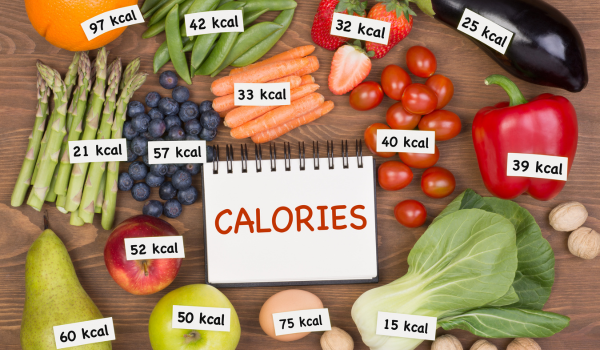
While calorie intake is important, the quality of food is equally significant. Nutrient-dense foods provide more benefits than empty calories.
eliminating entire food groups
Restrictive diets that remove entire food groups may lead to nutrient deficiencies.
Balance and variety are more effective approaches.
quick fixes and trends
Short-term diets often promise rapid results but may not support long-term health.
Sustainable habits are more beneficial.
Practical Tips For Improving Nutrition
Making small changes can have a significant impact on overall health.
choose whole foods
Prioritize fruits, vegetables, whole grains, and lean proteins.
build balanced meals
Include a mix of macronutrients and micronutrients in each meal.
stay hydrated
Drink water regularly throughout the day.
be consistent
Consistency is key to achieving long-term results.
Conclusion
Nutrition is the foundation of health, influencing energy levels, body function, and long-term well-being. By understanding the role of nutrients and making balanced food choices, you can support your body in a sustainable way.
Rather than focusing on short-term diets, building consistent and practical habits is the most effective approach. Small, mindful changes can lead to meaningful improvements over time.
Start improving your nutrition today and explore more insights on Health365s to continue building a healthier lifestyle.















.png)

.png)



.png)
.png)

.png)

.png)
.png)
.png)
.png)
.png)
.png)



.png)
.png)
.png)
.png)
.png)
.png)



.png)
.png)

.png)


