
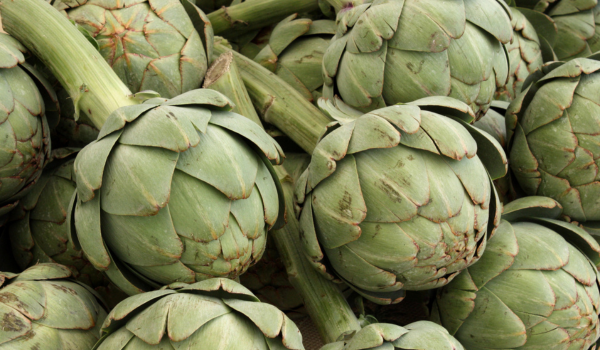
Artichokes are nutrient-dense vegetables that provide fiber, vitamins, minerals, and powerful antioxidants. Including artichokes in your diet may support digestive health, cardiovascular function, and immune system activity.
These vegetables have been valued for both their flavor and their potential health benefits in many cuisines around the world.
Contains Fiber
Artichokes are an excellent source of dietary fiber. A medium-sized artichoke contains nearly seven grams of fiber, which represents a significant portion of the daily recommended intake.
Fiber plays an important role in maintaining overall health.
Supports Weight Management
Fiber helps promote fullness after meals, which may reduce overeating and support healthy weight control.
Promotes Healthy Digestion
Adequate fiber intake helps maintain regular bowel movements and supports overall digestive health.
Helps Regulate Blood Sugar
Fiber slows the absorption of carbohydrates, which helps stabilize blood sugar and insulin levels. This effect may be especially beneficial for individuals with diabetes.
Supports Gut Health
Fiber nourishes beneficial gut bacteria. A healthy gut microbiome may improve immunity, support mood regulation, and help reduce inflammation in the body.
Offers Many Nutrients And Antioxidants
Artichokes provide a wide range of essential nutrients and antioxidant compounds that help protect cells from damage.
Antioxidants help defend the body against oxidative stress, a process that can contribute to premature aging and chronic disease.
A medium artichoke provides notable amounts of several important nutrients.
Folate
Folate is essential for DNA production and proper cell division. It also plays a role in supporting healthy red blood cell formation.
Vitamin K
Vitamin K helps regulate blood clotting and supports bone formation.
Vitamin C
Vitamin C is a powerful antioxidant that helps strengthen the immune system and supports collagen production, which is important for skin, joints, and connective tissue.
Magnesium
Magnesium supports muscle and nerve function and helps regulate blood sugar and blood pressure levels.
Manganese
Manganese contributes to collagen production and plays a role in maintaining healthy bones.
Potassium
Potassium supports heart function, assists muscle contractions, and helps regulate blood pressure.
May Help Regulate Blood Pressure
Artichokes may help support healthy blood pressure levels.
High blood pressure, also known as hypertension, increases the risk of heart disease and stroke. Nutrients found in artichokes, including potassium and antioxidants, may contribute to improved blood vessel function and healthier blood pressure levels.
Consuming vegetables rich in these nutrients may support cardiovascular health as part of a balanced diet.
Can Promote Liver Health
Artichokes have long been associated with liver health.
Non-alcoholic fatty liver disease is one of the most common liver conditions worldwide. Lifestyle factors such as healthy eating, regular physical activity, and weight management can help reduce the risk of developing this condition.
Compounds found in artichoke leaves may help support liver function.
Research suggests that artichoke leaf extract may help improve certain markers related to liver health.
Supports Healthy Liver Function
Some studies have shown improvements in liver enzyme levels and liver size when artichoke extracts are consumed.
May Improve Cholesterol Levels
Artichoke compounds may help reduce total cholesterol and low-density lipoprotein cholesterol, often referred to as “bad” cholesterol.
May Lower Triglycerides
Some evidence suggests artichoke extract may help lower triglyceride levels, which are another factor associated with heart disease risk.
Provides Protective Prebiotics
Artichokes can also support digestive health by providing prebiotics.
Prebiotics are compounds that feed beneficial bacteria in the digestive system. These bacteria play important roles in digestion, immune function, and overall health.
Jerusalem artichokes, which are a different plant variety, are particularly rich in a prebiotic fiber called inulin.
Unlike globe artichokes, Jerusalem artichokes grow underground as tubers and resemble a combination of a small potato and ginger root. They can be eaten either raw or cooked and offer similar digestive benefits.
Artichoke Nutrition
A medium artichoke contains approximately:
-
Calories: 64
-
Fat: Less than 1 gram
-
Sodium: About 72 milligrams
-
Carbohydrates: Around 14 grams
-
Fiber: Nearly 7 grams
-
Added sugars: 0 grams
-
Protein: About 3.5 grams
These values demonstrate that artichokes are low in calories while providing meaningful amounts of fiber and important nutrients.
What Should You Know Before Eating Them?
Although artichokes are nutritious, there are a few considerations to keep in mind.
Artichokes contain compounds known as FODMAPs, which are certain types of carbohydrates found in plant foods.
High-FODMAP foods may trigger digestive symptoms such as bloating, constipation, or diarrhea in individuals with irritable bowel syndrome.
In addition, although rare, some individuals may experience allergic reactions to artichokes.
How To Cook Artichokes
When purchasing artichokes, choose vegetables that feel heavy and have firm, tightly packed leaves. Fresh artichokes often produce a slight squeaking sound when the leaves are rubbed together.
To prepare artichokes for cooking:
-
Place a washed artichoke on its side on a cutting board
-
Trim the top portion of the vegetable
-
Remove the stem
-
Drizzle lemon juice over the cut areas to prevent browning
Artichokes can then be cooked using several methods, including boiling, grilling, frying, roasting, or steaming.
Boiling
Boiling artichokes may increase certain antioxidant levels while making the vegetable softer and easier to eat.
Steaming
Steaming is often considered one of the best cooking methods for preserving the vegetable’s nutritional value.
How To Eat Artichokes
Once cooked, artichokes can be enjoyed in several ways.
To eat a cooked artichoke, pull away the inner leaves and remove the fuzzy portion located in the center, which is known as the choke. Beneath this layer lies the tender artichoke heart.
The heart is often considered the most flavorful part of the vegetable and can be eaten alone or paired with dips such as hummus, pesto, or seasoned tahini.
The leaves themselves are not fully edible. Instead, the soft inner portion can be scraped off with the teeth while the tougher outer part is discarded.
Artichoke hearts are also widely available in grocery stores in frozen, jarred, or canned forms, making them convenient additions to salads, pasta dishes, and appetizers.
Jerusalem artichokes can be eaten similarly to root vegetables. They can be grated, sliced thinly, or cut into sticks and eaten raw, or they can be cooked in soups, roasted dishes, and other recipes.







.png)
.png)
.png)


.png)
.png)

.png)
.png)
.png)
.png)
.png)
.png)
.png)



.png)
.png)
.png)
.png)
.png)
.png)


.png)
.png)

.png)


