
Nutrition advice is everywhere, from social media to popular diet trends, and it can often be confusing to separate facts from myths. Many widely believed ideas about food and health are based on outdated information or oversimplified concepts. These misconceptions can lead to unnecessary restrictions, poor food choices, and frustration.
Understanding the truth behind common nutrition myths can help you build a more balanced and informed approach to eating. Instead of following trends, focusing on evidence-based principles allows you to make choices that support long-term health.
By debunking these myths, you can develop a clearer understanding of what truly matters in nutrition.
Why Nutrition Myths Are So Common
Nutrition myths often spread quickly because they are simple, appealing, and easy to remember. However, they may not reflect the complexity of how the body works.
influence of trends and media
Diet trends and online content often promote quick solutions or dramatic claims. These messages can oversimplify nutrition and create misconceptions.
misinterpretation of scientific information
Scientific studies are sometimes taken out of context or misunderstood. This can lead to inaccurate conclusions about certain foods or nutrients.
Understanding the source of information is important when evaluating nutrition advice.
Myth: All Calories Are The Same
One of the most common beliefs is that all calories have the same effect on the body.
the truth about calorie quality
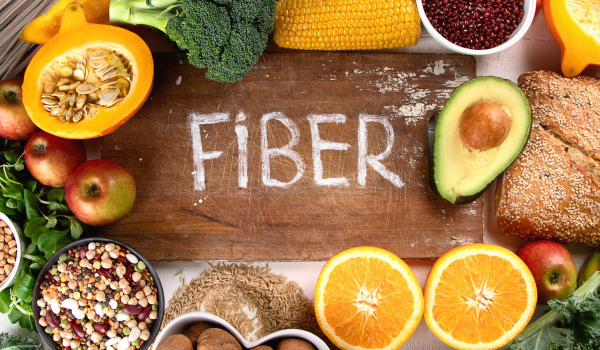
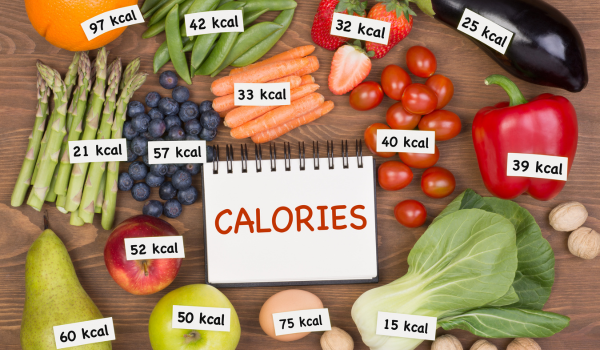
While calories provide energy, the source of those calories matters. Nutrient-dense foods provide vitamins, minerals, and fiber, while some foods provide energy without additional benefits.
For example, calories from whole foods support overall health more effectively than those from highly processed foods.
Myth: Carbohydrates Are Bad For You
Carbohydrates are often misunderstood and sometimes avoided entirely.
the role of carbohydrates
Carbohydrates are the body’s primary energy source. Whole grains, fruits, and vegetables provide complex carbohydrates that support steady energy levels.
refined vs complex carbohydrates
The issue is not carbohydrates themselves, but the type. Refined carbohydrates may lack nutrients, while complex carbohydrates provide essential nutrients and fiber.
Myth: Eating Fat Leads To Weight Gain
Fats have long been associated with weight gain, but this view is incomplete.
importance of healthy fats
Healthy fats, such as those found in nuts, seeds, and olive oil, support heart health and help with nutrient absorption.
balance and moderation
Weight gain is influenced by overall energy balance rather than a single nutrient. Including moderate amounts of healthy fats can be part of a balanced diet.
Myth: Skipping Meals Helps With Weight Loss
Skipping meals is often seen as a way to reduce calorie intake.
impact on energy and metabolism
Skipping meals can lead to increased hunger later in the day, which may result in overeating.
Regular meals help maintain stable energy levels and support better eating habits.
Myth: You Need Supplements To Be Healthy
Supplements are often marketed as essential for good health.
food as the primary source of nutrients
Most people can meet their nutritional needs through a balanced diet that includes a variety of whole foods.
when supplements may be needed
Supplements can be helpful in specific situations, but they should not replace a healthy diet.
Myth: Healthy Foods Are Always Low In Calories
Many people assume that healthy foods are always low in calories.
nutrient density vs calorie content
Some nutrient-rich foods, such as nuts and avocados, are higher in calories but provide essential nutrients.
Focusing only on calorie content can overlook the benefits of these foods.
Myth: Detox Diets Are Necessary
Detox diets are often promoted as a way to cleanse the body.
the body’s natural detox system
The body already has systems in place, such as the liver and kidneys, that help remove waste.
A balanced diet supports these processes without the need for extreme measures.
How To Identify Reliable Nutrition Information
Learning how to evaluate information can help you avoid common myths.
look for evidence-based sources
Reliable information is based on scientific research rather than trends or opinions.
avoid extreme claims
Statements that promise quick results or require strict elimination of foods are often misleading.
focus on long-term habits
Sustainable habits are more effective than short-term solutions.
Building A Balanced Approach To Nutrition
Understanding the truth behind nutrition myths helps create a more realistic and effective approach to eating.
prioritize whole foods
Choosing minimally processed foods supports overall health.
maintain variety and balance
Including different food groups ensures a broad range of nutrients.
practice moderation
No single food determines health. Balance and consistency are key.
Conclusion
Nutrition myths can make healthy eating seem more complicated than it needs to be. By understanding the facts and focusing on balanced, evidence-based principles, you can make better choices that support long-term health.
Rather than following trends or restrictive rules, building sustainable habits is the most effective way to improve your diet. Simple, consistent changes can lead to meaningful improvements over time.
Start making informed nutrition choices today and explore more insights on Health365s to continue building a healthier lifestyle.













.png)
.png)

.png)


.png)
.png)

.png)

.png)
.png)
.png)
.png)
.png)
.png)



.png)
.png)
.png)
.png)
.png)
.png)



.png)
.png)

.png)