Weight loss medications such as Ozempic and Wegovy, which contain the active ingredient semaglutide, have become widely used for managing obesity and type 2 diabetes. However, emerging research suggests that these medications may also be associated with muscle loss during weight reduction.
A recent study presented at the ENDO 2025 conference, the annual meeting of the Endocrine Society, found that people consuming less protein while taking weight-loss medications may experience greater loss of lean muscle mass.
Rapid weight loss—regardless of the method used—can reduce lean mass, which refers to the body’s muscle tissue. Losing muscle can increase the risk of falls and fractures, especially among older adults or individuals already at risk for bone loss. Reduced muscle mass can also affect the body’s ability to regulate blood sugar levels effectively.
For people taking GLP-1 receptor agonists, a newer class of weight-loss medications that includes semaglutide, diet may play an important role in preserving muscle mass during weight loss.
Researchers involved in the study suggested that higher protein intake may help reduce muscle loss in individuals using semaglutide. However, the study has not yet been published in a peer-reviewed journal.
What Researchers Found
To better understand how semaglutide affects muscle mass, researchers conducted a small clinical study involving 40 adults with obesity who did not have type 2 diabetes. All participants visited a weight loss clinic.
Doctors prescribed semaglutide to 23 participants, while the remaining 17 participants followed a diet and lifestyle-based weight loss program.
After three months, the group taking semaglutide lost more weight overall compared with the diet and lifestyle group. The semaglutide group lost about 6.3 percent of their body weight, while the diet and lifestyle group lost approximately 2.5 percent.
Despite this difference in total weight loss, both groups lost a similar percentage of lean muscle mass.
Researchers also discovered several factors associated with greater muscle loss in the semaglutide group.
Older age and female sex
Participants who were older or female tended to lose more lean muscle mass.
Lower protein intake
Individuals who consumed less protein at the beginning of the study experienced greater muscle loss.
Reduced blood sugar improvement
Greater muscle loss was also associated with less improvement in blood sugar levels.
When people lose weight—whether through medication or dieting—they typically consume fewer calories overall. Lower calorie intake often means less protein, which can contribute to muscle loss because protein provides amino acids needed to maintain muscle tissue.
Although the study did not directly test whether increasing protein intake prevents muscle loss, the researchers suggested that higher protein intake may help preserve lean mass.
Limitations And Remaining Questions
While the findings offer useful insights, the study has several limitations that should be considered.
Small sample size
The study included only 40 participants, which limits how broadly the findings can be applied.
Limited population diversity
Most of the participants were white women, which means the results may not fully represent other populations.
Lack of peer review
Because the study has not yet undergone peer review, additional research will be necessary to confirm the findings.
The study also raises new questions for researchers. Future studies may explore whether people following high-protein diets lose less muscle while taking GLP-1 medications, and which muscle groups may be most affected during rapid weight loss.
How To Reduce Muscle Loss While Taking Ozempic
Although the study did not prove that protein directly prevents muscle loss, the importance of protein for maintaining muscle health is well established.
Health experts generally recommend increasing protein intake during weight loss to help protect muscle mass.
Recommended protein intake
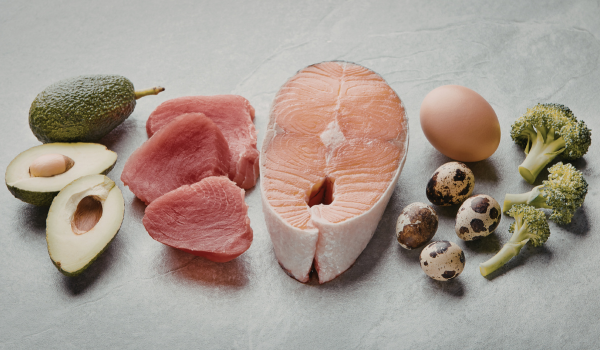
Some specialists recommend consuming up to 1.6 grams of protein per kilogram of body weight per day. This typically translates to about 60 to 120 grams of protein daily, depending on body size.
High-protein foods include:
-
Seafood
-
Lean meats and poultry
-
Eggs
-
Legumes such as beans, lentils, and peas
-
Soy products
-
Nuts and seeds
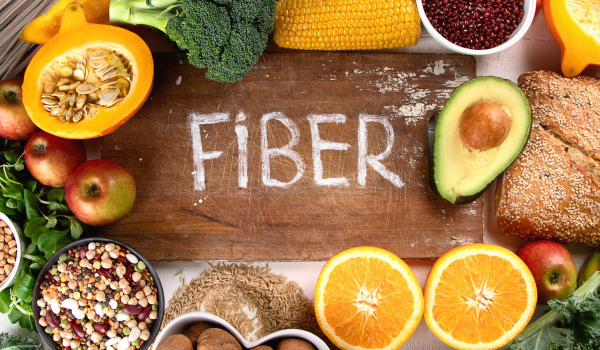
In addition to protein, maintaining a balanced diet is essential. Healthy eating should also include carbohydrates, fats, fiber, and essential vitamins and minerals.
The Importance Of Strength Training
Exercise also plays a major role in preserving muscle during weight loss.
Experts often recommend resistance training, which helps stimulate muscle growth and maintain lean mass. Examples of resistance exercises include:
-
Push-ups
-
Squats
-
Weightlifting
-
Resistance band training
Research has shown that resistance training can help people maintain lean muscle mass while using GLP-1 medications.
Combining medication with proper nutrition and exercise may help reduce the risk of muscle loss during weight loss treatment.
Managing Appetite And Medication Side Effects
Some people using GLP-1 medications experience side effects such as nausea, which can reduce appetite and make it harder to eat enough protein or maintain regular exercise.
Doctors often recommend adjusting the medication dose carefully to reduce these side effects.
Start with lower doses
Beginning with a lower dose and increasing gradually can help the body adjust to the medication.
Focus on manageable side effects
Finding a dose that minimizes gastrointestinal symptoms can make it easier to maintain healthy eating habits and physical activity.
Taking a gradual approach to treatment may help reduce digestive side effects and support long-term weight loss success while preserving muscle mass.
Was this page helpful?





.png)
.png)
.png)

.png)
.png)

.png)
.png)
.png)
.png)
.png)
.png)
.png)



.png)
.png)
.png)
.png)
.png)
.png)


.png)
.png)

.png)