
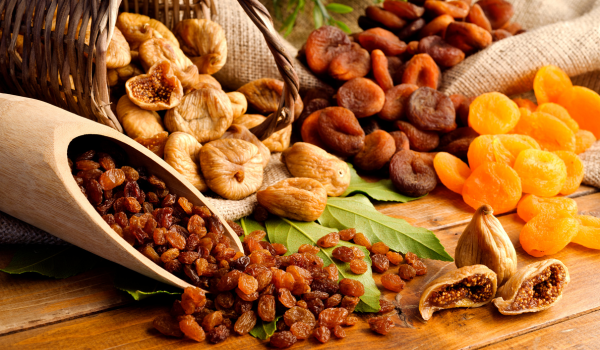
Fruits are an essential part of a healthy diet, but they come in different forms, including fresh and dried. While both options provide valuable nutrients, many people are unsure which is the better choice for overall health. The answer depends on your nutritional goals, portion sizes, and how each type of fruit fits into your daily routine.
Fresh fruits are often praised for their natural hydration and lower calorie density, while dried fruits are valued for their convenience and concentrated nutrients. Understanding the differences between these two forms can help you make smarter choices and enjoy their benefits in a balanced way.
By comparing fresh and dried fruits, you can decide how to include both in your diet to support your health and lifestyle.
Nutritional Differences Between Fresh And Dried Fruit
Both fresh and dried fruits contain important nutrients, but their composition differs significantly.
water content and concentration
Fresh fruits contain a high amount of water, which contributes to hydration and lower calorie density. Dried fruits have most of their water removed, making them more concentrated in nutrients and calories.
This concentration means that a smaller portion of dried fruit contains more calories than the same amount of fresh fruit.
fiber and nutrient density
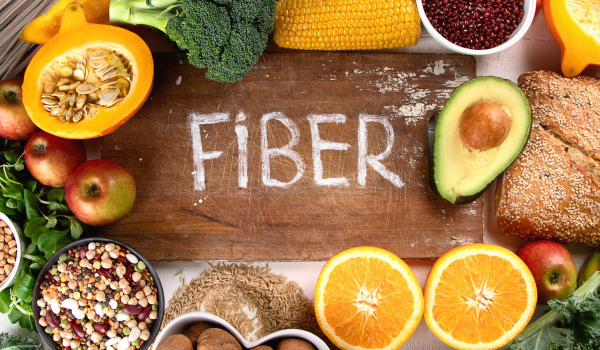
Both forms provide fiber, vitamins, and minerals. However, because dried fruits are concentrated, they may contain higher amounts of certain nutrients per serving.
At the same time, portion size becomes more important when consuming dried fruits.
Benefits Of Fresh Fruit
Fresh fruits offer several advantages for everyday nutrition.
supporting hydration
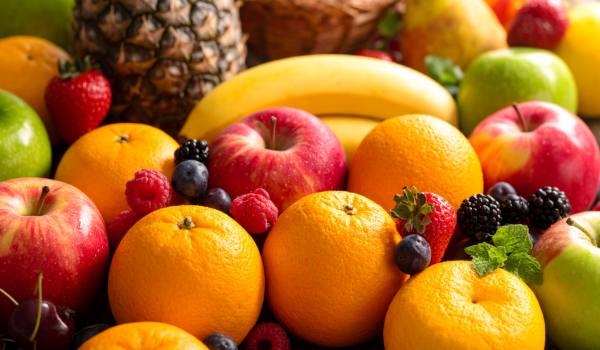
The high water content in fresh fruits helps maintain hydration and supports digestion.
This can be especially beneficial during warmer weather or physical activity.
lower calorie density
Fresh fruits allow you to consume larger portions with fewer calories. This can support balanced eating and weight management.
natural and minimally processed
Fresh fruits are typically consumed in their natural state, preserving their full nutritional profile.
They also contain no added sugars.
Benefits Of Dried Fruit
Dried fruits can also be a valuable addition to a balanced diet when consumed appropriately.
convenience and portability
Dried fruits are easy to store and carry, making them a practical option for snacks.
They are especially useful when fresh fruit is not available.
concentrated nutrients
Because water is removed, dried fruits provide a concentrated source of vitamins, minerals, and fiber.
This can be beneficial in small portions.
longer shelf life
Dried fruits last longer than fresh fruits, reducing the need for frequent purchases.
Potential Drawbacks To Consider
While both forms have benefits, there are also considerations to keep in mind.
added sugars in dried fruits
Some dried fruits may contain added sugars, which can increase calorie intake.
Choosing unsweetened options helps maintain better nutritional balance.
portion control challenges
Because dried fruits are calorie-dense, it is easy to consume larger amounts without realizing it.
Being mindful of portion sizes is important.
nutrient loss during processing
Certain nutrients, particularly some vitamins, may be reduced during the drying process.
Fresh fruits may retain more of these nutrients.
How To Choose Between Fresh And Dried Fruit
The best choice depends on your needs and lifestyle.
for everyday meals
Fresh fruits are generally a better option for regular consumption due to their hydration, lower calorie density, and minimal processing.
for convenience and travel
Dried fruits are a practical choice when fresh options are not available or when portability is important.
for balanced nutrition
Including both types in your diet can provide flexibility and variety.
Practical Tips For Including Both In Your Diet
Combining fresh and dried fruits can help you enjoy their benefits.
use fresh fruits as the base
Include fresh fruits in meals such as breakfast, salads, and snacks.
add dried fruits in moderation
Use small amounts of dried fruits to enhance flavor and nutrition in dishes.
check labels
When choosing dried fruits, look for options without added sugars or unnecessary additives.
Common Mistakes To Avoid
Being aware of common pitfalls can help you make better choices.
overconsuming dried fruits
Large portions can lead to excessive calorie intake.
replacing fresh fruit entirely
Relying only on dried fruits may reduce hydration and overall nutrient balance.
Conclusion
Both fresh and dried fruits have their place in a healthy diet, each offering unique benefits. Fresh fruits provide hydration, lower calorie density, and a natural form of nutrients, while dried fruits offer convenience and concentrated nutrition.
The key is to use both wisely. Fresh fruits can be the foundation of your daily intake, while dried fruits can be enjoyed in moderation as a convenient addition.
By understanding the differences and making balanced choices, you can enjoy the benefits of both forms and support your overall health. Explore more nutrition insights on Health365s to continue building a healthier and more balanced lifestyle.







.png)
.png)

.png)

.png)
.png)

.png)
.png)
.png)
.png)
.png)
.png)
.png)



.png)
.png)
.png)
.png)
.png)
.png)



.png)
.png)

.png)


