
.png)
Microplastics are now found almost everywhere—including in food, water, and even the human body. As concerns grow, many people wonder whether it’s possible to “detox” from microplastics.
Current research suggests there is no specific way to completely remove microplastics from the body. However, certain lifestyle and dietary habits may help reduce their impact on health.
How Do Microplastics Affect Human Health?
Microplastics are tiny plastic particles that can enter the body through food, drinks, and air. Scientists have detected them in blood, lungs, digestive organs, and even tissues.
While research is still developing, studies suggest potential links between microplastics and negative health outcomes.
Chemical Exposure
Plastics contain thousands of chemicals, including substances like phthalates and BPA, some of which are known to affect human health.
Accumulation In The Body
Microplastics can enter tissues and carry harmful chemicals with them. Their effects may vary depending on the amount, type, and size of particles, as well as an individual’s health.
Uncertain Long-Term Impact
Although associations have been observed between microplastics and conditions such as cardiovascular disease, hormone disruption, and other chronic illnesses, definitive conclusions are still being studied.
Effects On Inflammation, Gut Health, And Hormones
Microplastics may affect several important systems in the body.
Inflammation
Inflammation is the body’s natural response to stress or injury. Some evidence suggests microplastics may trigger or worsen inflammation, which is linked to many chronic diseases.
Gut Health
Microplastics may disrupt the balance of gut bacteria. This imbalance can affect digestion and may increase inflammation in the digestive system.
Hormonal Disruption
Certain chemicals found in plastics may interfere with hormone function. This can potentially impact processes such as sleep, appetite, metabolism, and reproduction.
Can Your Body Remove Microplastics?
The body can eliminate some microplastics naturally, but not all.
Larger Particles May Pass Through
Many larger microplastic particles that are ingested may pass through the digestive system and leave the body through waste.
Chemical Levels Can Decrease
Some plastic-related chemicals do not remain in the body for long. Reducing exposure may help lower their levels over time.
Smaller Particles May Persist
Very small particles, known as nanoplastics, may be absorbed into cells and travel throughout the body. These particles are more difficult for the body to eliminate.
Can You Reduce The Effects Of Microplastics?
There is currently no proven “detox” method for microplastics. However, certain habits may help your body better handle exposure.
Antioxidants May Help
Antioxidants help reduce oxidative stress and inflammation in the body.
Foods rich in antioxidants—especially those containing anthocyanins—may offer protective effects.
Anthocyanin-Rich Foods Include:
-
Berries
-
Grapes
-
Purple and blue fruits and vegetables
These compounds have been linked to benefits such as improved heart health, better blood sugar control, and support for brain health.
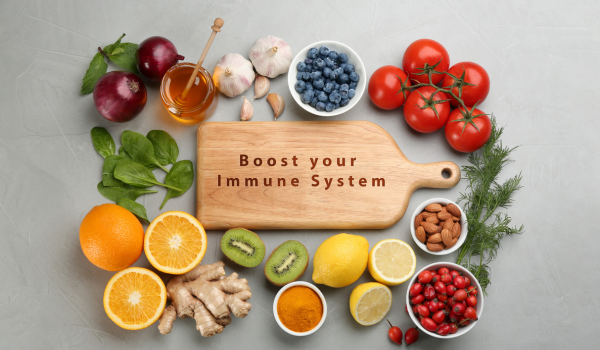
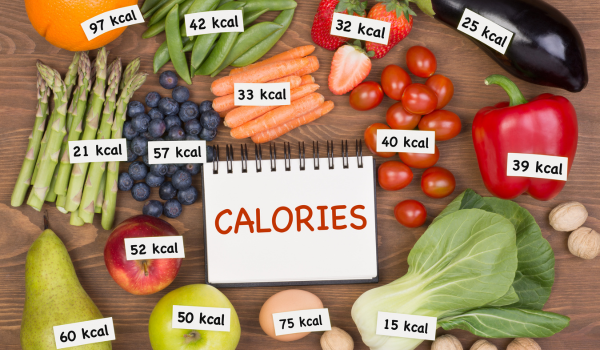
Eat A Healthy, Balanced Diet
Maintaining overall health may improve your body’s ability to cope with environmental exposures, including microplastics.
A balanced diet may include:
-
Fresh fruits and vegetables
-
Whole grains
-
Nuts and seeds
-
Beans and legumes
-
Fish and unprocessed meats
Fiber And Gut Health
Fiber supports a healthy gut microbiome, which plays a role in digestion, immunity, and inflammation control.
Eating patterns such as the Mediterranean-style diet are associated with lower inflammation, better metabolic health, and improved hormone balance.
Reduce Exposure Where Possible
Although avoiding microplastics completely is not realistic, small changes can help reduce exposure.
-
Limit use of plastic containers, especially with heat
-
Choose glass or stainless steel when possible
-
Reduce consumption of highly processed and packaged foods
-
Avoid microwaving food in plastic
Final Thoughts
There is currently no way to fully “detox” microplastics from the body. However, the body can eliminate some particles naturally, and reducing exposure may lower overall levels over time.
Focusing on a healthy lifestyle—especially a nutrient-rich diet and minimizing plastic use—may help reduce potential risks and support long-term health.














.png)
.png)


.png)
.png)

.png)

.png)
.png)
.png)
.png)
.png)
.png)



.png)
.png)
.png)
.png)
.png)
.png)



.png)
.png)

.png)


