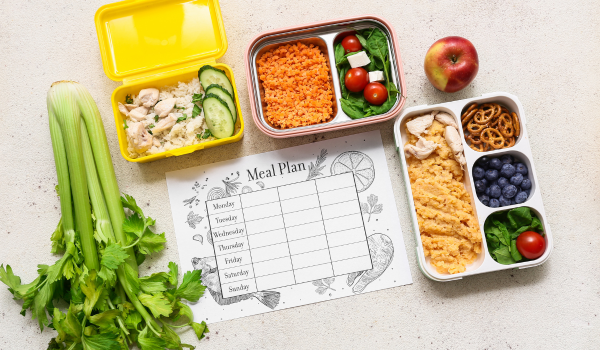
Planning meals in advance can feel like an extra task in an already busy schedule, but it is one of the most effective ways to maintain a healthy diet. Without a plan, it is easy to rely on convenience foods that may not provide the nutrients your body needs. Healthy meal planning helps you make intentional choices, save time, and stay consistent with balanced nutrition.
Rather than being complicated, meal planning can be simple and flexible. It is about organizing your meals in a way that supports your lifestyle while ensuring that you include a variety of nutrient-rich foods.
Understanding the basics of healthy meal planning can help you build habits that support long-term health and make everyday eating more manageable.
Why Meal Planning Matters For Nutrition
Meal planning plays an important role in maintaining a balanced and consistent diet.
supporting healthier food choices
When meals are planned ahead, you are more likely to include vegetables, whole grains, and quality protein sources. This reduces the likelihood of choosing less nutritious options.
Planning also helps ensure that meals are balanced and nutrient-dense.
saving time and reducing stress
Knowing what you will eat in advance simplifies daily decisions. It reduces the stress of figuring out meals at the last minute.
This can make healthy eating more convenient and sustainable.
reducing food waste
Planning meals allows you to use ingredients efficiently. This helps minimize food waste and makes grocery shopping more effective.
Key Components Of A Healthy Meal Plan
A well-structured meal plan includes a balance of nutrients and food groups.
include a variety of food groups
Each meal should include vegetables, protein, whole grains or complex carbohydrates, and healthy fats.
This combination supports energy, satiety, and overall health.
focus on nutrient-dense foods
Choosing whole, minimally processed foods helps ensure that meals provide essential nutrients.
Fruits, vegetables, legumes, nuts, seeds, and lean proteins are good choices.
balance and portion awareness
While variety is important, portion sizes also matter. Balanced portions help maintain energy levels and overall health.
How To Start Meal Planning
Getting started with meal planning can be simple with a few basic steps.
plan for the week
Begin by outlining meals for several days or an entire week. This provides a clear structure and helps guide grocery shopping.
create a shopping list
A list based on your meal plan helps ensure that you have the necessary ingredients.
It also reduces impulse purchases.
prepare ingredients in advance
Washing, cutting, or cooking ingredients ahead of time can make meal preparation quicker and easier.
This step helps maintain consistency during busy days.
Simple Meal Planning Strategies
Keeping your approach simple makes meal planning more sustainable.
use repeatable meal templates
Having a few go-to meal structures can simplify planning. For example, a protein source with vegetables and whole grains can be used in different variations.
batch cooking
Preparing larger portions of certain foods allows you to use them in multiple meals throughout the week.
This saves time and effort.
mix and match ingredients
Using the same ingredients in different combinations helps create variety without adding complexity.
Building Balanced Meals Throughout The Day
Meal planning should consider all meals, including breakfast, lunch, dinner, and snacks.
breakfast options
Include whole grains, protein, and healthy fats. Examples include oatmeal with nuts or yogurt with fruit.
lunch and dinner
Focus on balanced plates that include vegetables, protein, and whole grains.
Meals such as salads, grain bowls, or simple cooked dishes can provide variety.
healthy snacks
Snacks such as fruits, nuts, or yogurt can help maintain energy between meals.
Common Mistakes To Avoid
Being aware of common challenges can improve your meal planning process.
overcomplicating the plan
Trying to include too many complex recipes can make planning difficult to maintain.
Simple meals are often more sustainable.
not allowing flexibility
Unexpected changes can happen. Leaving room for flexibility helps maintain consistency.
ignoring personal preferences
Meal plans should include foods you enjoy. This increases the likelihood of sticking to the plan.
Practical Tips For Long-Term Success
Building sustainable meal planning habits takes time and consistency.
start small
Begin with planning a few meals rather than an entire week. Gradually expand as the habit develops.
adjust as needed
Your needs and schedule may change. Adapting your plan helps maintain effectiveness.
keep it enjoyable
Experimenting with new recipes and ingredients can make meal planning more engaging.
Conclusion
Healthy meal planning is a practical and effective way to support balanced nutrition and long-term health. By organizing meals in advance, you can make better food choices, save time, and reduce stress.
Focusing on simple, balanced meals and maintaining flexibility makes the process more sustainable. Small, consistent steps can lead to meaningful improvements in your eating habits.
Start planning your meals today and explore more nutrition insights on Health365s to continue building a healthier lifestyle.












.png)
.png)

.png)

.png)
.png)

.png)

.png)
.png)
.png)
.png)
.png)
.png)



.png)
.png)
.png)
.png)
.png)
.png)


.png)
.png)

.png)