
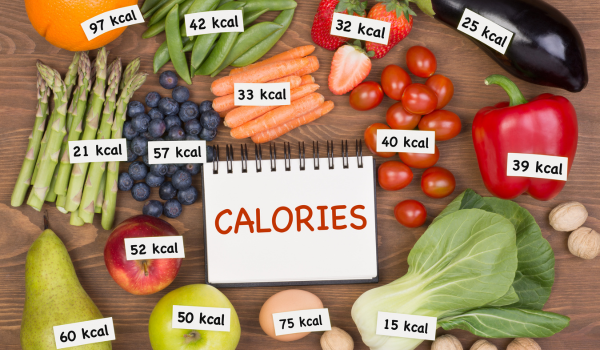
Calories are one of the most talked-about aspects of nutrition, yet they are often misunderstood. Many people associate calories only with weight gain or loss, but their role in the body is much broader. Calories are simply a measure of energy, and this energy is essential for everything your body does.
From basic functions like breathing and circulation to physical activity and digestion, calories fuel every process in the body. Understanding what calories really mean can help you make more informed decisions about your diet without falling into restrictive or overly simplified thinking.
By looking beyond just numbers, you can develop a more balanced approach to nutrition that supports both health and well-being.
What Calories Actually Are
Calories are a unit of measurement used to describe the amount of energy in food and beverages.
energy for essential body functions
The body requires energy to perform basic functions such as maintaining body temperature, supporting organ function, and enabling movement. This energy comes from the calories in the food you consume.
Even at rest, your body uses a significant amount of energy to stay alive.
sources of calories
Calories come from macronutrients: carbohydrates, proteins, and fats. Each of these provides energy in different amounts.
Carbohydrates and proteins provide about four calories per gram, while fats provide about nine calories per gram. This difference affects how foods contribute to overall energy intake.
Why Calories Matter For Your Health
Calories play a central role in maintaining energy balance and overall health.
supporting daily energy needs
Consuming enough calories ensures that your body has the energy it needs for daily activities and essential functions.
Too few calories can lead to fatigue and reduced performance.
maintaining body weight
Body weight is influenced by the balance between calories consumed and calories used. Consistent patterns of intake and expenditure affect long-term weight.
However, focusing only on calories without considering nutrient quality can be misleading.
impact on overall health
The quality of calories matters. Foods that provide vitamins, minerals, and other nutrients support health more effectively than foods that provide energy without additional benefits.
Calories Vs Nutrient Quality
Not all calories are equal in terms of their effect on the body.
nutrient-dense vs empty calories
Nutrient-dense foods provide both energy and essential nutrients. Examples include fruits, vegetables, whole grains, and lean proteins.
Empty calories come from foods high in added sugars and unhealthy fats, offering little nutritional value.
Choosing nutrient-dense foods helps improve overall health while meeting energy needs.
how food composition affects the body
Foods that contain fiber, protein, and healthy fats tend to be more satisfying and support stable energy levels.
Highly processed foods may lead to quick energy spikes followed by crashes.
Understanding Energy Balance
Energy balance refers to the relationship between calories consumed and calories used by the body.
calories in vs calories out
When calorie intake matches energy expenditure, body weight tends to remain stable. When intake exceeds expenditure, weight may increase, and when intake is lower, weight may decrease.
However, this concept is influenced by many factors, including metabolism and activity levels.
beyond simple calculations
While energy balance is important, factors such as food quality, meal timing, and lifestyle habits also play a role in overall health.
A balanced approach considers both energy and nutrition.
Common Misconceptions About Calories
There are several misunderstandings that can lead to confusion about calorie intake.
all calories are the same
While all calories provide energy, their nutritional impact can vary greatly depending on the source.
lower calories always mean healthier
Foods low in calories are not necessarily more nutritious. Some may lack essential nutrients.
extreme calorie restriction
Severely limiting calorie intake can negatively affect energy levels, metabolism, and overall health.
Balance is more effective than restriction.
How To Approach Calories In A Healthy Way
A balanced perspective on calories can support better eating habits.
focus on nutrient-dense foods
Choosing foods that provide both energy and nutrients helps support overall health.
listen to your body
Hunger and fullness cues can guide how much you need to eat.
maintain consistent eating habits
Regular meals help support stable energy levels and metabolic balance.
Practical Tips For Managing Calorie Intake
Small strategies can help you manage calorie intake without becoming overly focused on numbers.
build balanced meals
Include a mix of carbohydrates, protein, and healthy fats to support satiety and energy.
be mindful of portion sizes
Understanding portion sizes can help maintain balance without strict tracking.
limit highly processed foods
Reducing foods high in added sugars and unhealthy fats can improve overall diet quality.
Conclusion
Calories are an essential part of nutrition, providing the energy your body needs to function. However, they are only one piece of the overall picture. The quality of the foods you eat and the balance of nutrients are just as important as the number of calories consumed.
By focusing on nutrient-dense foods, maintaining balance, and building sustainable habits, you can support both your energy needs and long-term health.
Start making mindful food choices today and explore more nutrition insights on Health365s to continue building a healthier lifestyle.














.png)
.png)

.png)


.png)
.png)

.png)

.png)
.png)
.png)
.png)
.png)
.png)



.png)
.png)
.png)
.png)
.png)
.png)


.png)
.png)

.png)


