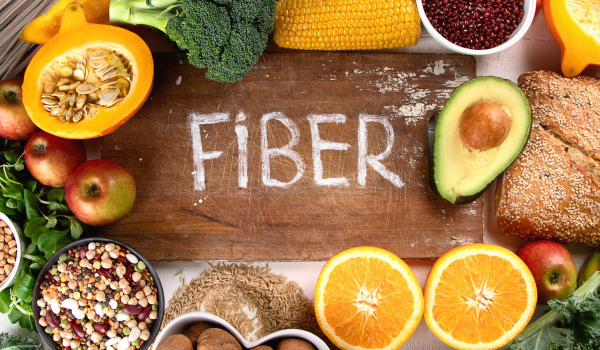
Fiber remains important throughout life, even though your recommended intake may decrease slightly as you get older.
As people age, digestion can slow, appetite may change, and the risk of problems such as constipation, high cholesterol, and blood sugar changes can increase. Getting enough fiber may help support digestion, heart health, blood sugar control, and a healthy gut microbiome.
The amount you need depends partly on your age, sex, calorie intake, and overall health.
Why Fiber Matters More as You Age
Fiber supports several important functions in the body.
It helps keep stool soft and easier to pass, supports beneficial gut bacteria, and may help regulate blood sugar and cholesterol levels.
Potential Benefits of Fiber
Getting enough fiber may help:
- Support regular bowel movements
- Reduce constipation
- Promote a healthier gut microbiome
- Improve blood sugar control
- Support healthy cholesterol levels
- Increase fullness after meals
- Support heart health
- Reduce inflammation
These benefits can become especially valuable as people get older.
How Much Fiber Do You Need?
A general recommendation is to consume about 14 grams of fiber for every 1,000 calories eaten.
For many adults, this works out to approximately:
- 25 grams per day for adult women
- 38 grams per day for adult men
Fiber needs usually decrease somewhat after age 50.
After Age 50
Recommended amounts are generally around:
- 21 grams per day for women
- 30 grams per day for men
This reduction partly reflects the fact that many older adults consume fewer calories.
Why Fiber Needs May Decline With Age
Older adults often eat less because of changes in appetite, taste, smell, chewing ability, medications, or food preparation habits.
Since fiber recommendations are partly based on calorie intake, people who eat fewer calories may need slightly less total fiber.
However, that doesn't mean fiber becomes less important.
In fact, older adults may be more vulnerable to constipation, changes in gut health, and metabolic conditions, making good fiber intake particularly valuable.
How To Increase Fiber Safely
If your current diet is low in fiber, avoid increasing your intake dramatically overnight.
Too much fiber too quickly can cause:
- Bloating
- Gas
- Abdominal discomfort
- Cramping
- Changes in bowel movements
Increase Gradually
A practical approach is to add around 2-3 grams of fiber every few days.
This gives your digestive system time to adapt.
Drink Enough Fluids
Fiber works best when you also consume enough fluid.
Without adequate hydration, suddenly increasing fiber may actually worsen constipation in some people.
Water needs vary depending on:
- Body size
- Activity level
- Climate
- Medications
- Health conditions
Drink regularly throughout the day unless your healthcare provider has advised you to restrict fluids.
Fiber and Digestive Conditions
Some digestive conditions require a more individualized approach to fiber.
People with inflammatory bowel disease, certain bowel strictures, severe digestive symptoms, or other gastrointestinal conditions may not tolerate high-fiber diets at all times.
Fiber Needs Can Change
For example, someone may tolerate more fiber when symptoms are controlled but need a temporary lower-fiber diet during certain flare-ups.
If you have a chronic digestive condition, work with a healthcare professional or registered dietitian before making major changes to your fiber intake.
Eat More Fruits and Vegetables
Fruits and vegetables are simple ways to increase fiber while also adding vitamins, minerals, and antioxidants.
Try to include a variety of produce throughout the day.
High-Fiber Options Include
- Raspberries
- Pears
- Apples
- Avocados
- Broccoli
- Green peas
- Brussels sprouts
- Leafy greens
Eating the edible peel when appropriate can increase fiber intake.
Choose Whole Grains More Often
Whole grains retain more of their natural fiber than refined grains.
Instead of relying primarily on white bread, white rice, or refined pasta, consider replacing some servings with:
- Brown rice
- Oats
- Bulgur
- Barley
- Quinoa
- Whole-grain bread
- Whole-wheat pasta
You don't need to replace every refined grain at once. Gradual substitutions can make the change easier.
Add Beans and Legumes
Beans and lentils are among the most concentrated natural sources of dietary fiber.
They also provide plant-based protein, iron, magnesium, and other nutrients.
Easy Ways To Use Them
Add beans or lentils to:
- Soups
- Stews
- Salads
- Grain bowls
- Pasta sauces
- Tacos
- Casseroles
They can also replace some of the meat in traditionally meat-heavy dishes.
Use Nuts and Seeds
Nuts and seeds can increase fiber intake without adding a large volume of food.
This may be particularly useful for older adults with smaller appetites.
Good options include:
- Chia seeds
- Flaxseeds
- Almonds
- Hazelnuts
- Pumpkin seeds
- Sunflower seeds
Easy Additions
Sprinkle them over:
- Yogurt
- Oatmeal
- Smoothies
- Salads
- Baked goods
Because nuts and seeds are calorie-dense, small portions are generally enough.
Read Nutrition Labels
Packaged foods vary considerably in fiber content.
Checking the Nutrition Facts label can help you compare products.
A food with around 5 grams or more of fiber per serving can make a meaningful contribution to your daily intake.
Check Serving Size Too
Make sure the fiber amount corresponds to the portion you actually eat.
A product may appear high in fiber but list a much smaller serving size than you normally consume.
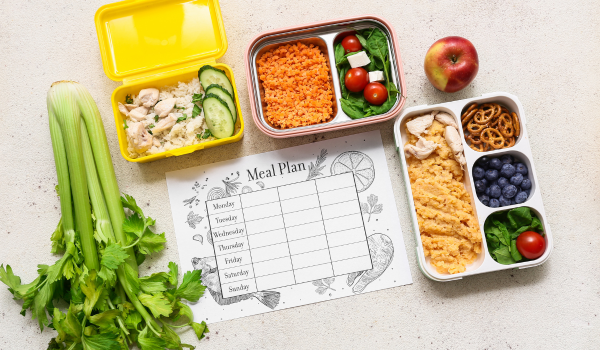
Spread Fiber Throughout the Day
Eating most of your daily fiber in one meal can increase the risk of bloating and discomfort.
Instead, distribute fiber across meals and snacks.
For example:
Breakfast
Oatmeal with chia seeds and berries
Lunch
Whole-grain bread with vegetables and beans
Snack
Pear with almonds
Dinner
Brown rice, broccoli, and lentils
This approach can make fiber easier to tolerate while helping you meet your daily goal.
Best High-Fiber Foods
Many whole foods naturally provide substantial amounts of fiber.
| Food | Serving Size | Approximate Fiber |
|---|---|---|
| Navy beans | 1 cup cooked | 19.1 g |
| Lentils | 1 cup cooked | 15.6 g |
| Black beans | 1 cup cooked | 15 g |
| Chia seeds | 1 ounce | 9.8 g |
| Green peas | 1 cup cooked | 8.8 g |
| Bulgur | 1 cup cooked | 8.1 g |
| Raspberries | 1 cup | 8 g |
| Flaxseeds | 1 ounce | 8 g |
| Avocado | 1/2 avocado | 6.7 g |
| Pear | 1 medium or about 1 cup | 5.5 g |
| Broccoli | 1 cup cooked | 5.2 g |
| Spinach | 1 cup cooked | 4.3 g |
| Oatmeal | 1 cup cooked | 4 g |
| Almonds | 1 ounce | 3.5 g |
| Hazelnuts | 1 ounce | 3 g |
Fiber amounts may vary slightly depending on variety, preparation, and serving size.
Soluble vs. Insoluble Fiber
Not all fiber behaves the same way in your digestive system.
Soluble Fiber
Soluble fiber absorbs water and forms a gel-like substance.
It may help:
- Lower LDL cholesterol
- Slow digestion
- Support blood sugar control
- Feed beneficial gut bacteria
Sources include:
- Oats
- Beans
- Lentils
- Apples
- Chia seeds
- Flaxseeds
Insoluble Fiber
Insoluble fiber adds bulk to stool and helps food move through the digestive tract.
Sources include:
- Whole grains
- Wheat bran
- Nuts
- Seeds
- Many vegetables
A varied diet naturally provides both types.
Is Fiber From Supplements as Good as Food?
Fiber supplements can be useful for some people, particularly those who struggle to meet their needs through food.
However, whole foods provide more than fiber alone.
They also contain:
- Vitamins
- Minerals
- Antioxidants
- Healthy fats
- Plant compounds
For that reason, food should generally be the primary source of fiber when possible.
Supplements can help fill gaps but shouldn't automatically replace a varied diet.
Signs You May Not Be Getting Enough Fiber
Low fiber intake may contribute to:
- Constipation
- Hard stools
- Irregular bowel movements
- Poor satiety after meals
- Difficulty meeting fruit, vegetable, and whole-grain recommendations
However, these symptoms can have many other causes.
Persistent digestive problems should not automatically be assumed to result from low fiber.
When To Talk With a Healthcare Professional
Consider discussing your diet with a healthcare professional if you:
- Have persistent constipation
- Experience chronic bloating or abdominal pain
- Have inflammatory bowel disease
- Have difficulty chewing or swallowing
- Have had intestinal surgery
- Are unintentionally losing weight
- Have significant appetite loss
- Are unsure whether fiber supplements are appropriate
A registered dietitian can help you increase fiber while still meeting your calorie, protein, and other nutritional needs.
The Bottom Line
Fiber remains an important nutrient at every age.
Most adult women need around 25 grams per day and adult men around 38 grams, with recommendations decreasing to approximately 21 grams for women and 30 grams for men after age 50.
Beans, lentils, whole grains, fruits, vegetables, nuts, and seeds are some of the best natural sources.
If you're currently eating very little fiber, increase it gradually and drink enough fluids to reduce the risk of bloating or digestive discomfort.
Rather than focusing on one high-fiber food, aim for a varied diet that spreads fiber across meals and snacks throughout the day.






.png)
.png)
.png)


.png)
.png)

.png)
.png)
.png)
.png)
.png)
.png)
.png)



.png)
.png)
.png)
.png)
.png)
.png)



.png)
.png)

.png)