

Building muscle requires a combination of resistance training and proper nutrition. Foods rich in high-quality protein are particularly important because they provide the amino acids needed for muscle repair and growth.
Including a variety of protein-rich foods in your daily diet can help support muscle development, improve strength, and enhance recovery after workouts.
Below are several foods that are especially beneficial for muscle growth.
Chicken Breast
Chicken breast is a versatile and widely available source of lean protein that supports muscle growth and repair.
A 3-ounce serving of grilled chicken breast provides approximately 25 grams of protein, making it a highly effective food for maintaining and building muscle mass.
Research suggests that people who regularly consume lean protein sources like chicken while participating in resistance training can experience greater increases in strength and muscle mass.
Cottage Cheese
Cottage cheese is one of the highest-protein dairy foods available, providing around 25 grams of protein per cup.
It is rich in amino acids that play an essential role in muscle repair and protein synthesis. One of these amino acids is leucine, which helps stimulate muscle growth.
Cottage cheese also contains important minerals such as calcium and magnesium, both of which support muscle function and contraction.
Because it is easy to digest and convenient to prepare, cottage cheese can be eaten before or after workouts.
Salmon
Salmon is a nutrient-dense food that provides high-quality protein along with beneficial omega-3 fatty acids.
A 3-ounce serving of salmon contains roughly 22 grams of protein. Regular consumption of fish such as salmon has been linked to improvements in muscle strength and overall muscle mass.
Omega-3 fatty acids found in salmon may also support muscle growth and reduce inflammation, which can aid in recovery after exercise.
Canned Tuna
Canned tuna is another affordable and convenient source of lean protein.
A 3-ounce serving provides about 20 grams of protein, making it a helpful option for people trying to increase their daily protein intake.
Because canned tuna is shelf-stable, it can be stored for long periods and easily added to salads, sandwiches, or rice dishes.
However, tuna contains small amounts of mercury, so it is generally recommended to limit consumption of certain types of tuna to moderate amounts each week.
Collagen Peptides
Collagen peptides are a form of protein supplement that can easily be added to both hot and cold foods or beverages.
A typical 20-gram serving of collagen peptides provides about 20 grams of protein.
Some studies suggest that consuming collagen peptides after resistance training may help increase muscle mass and strength compared with training alone.
Collagen powders are commonly added to smoothies, oatmeal, baked goods, or protein drinks.
Greek Yogurt
Greek yogurt contains significantly more protein than regular yogurt.
An 8-ounce serving of Greek yogurt provides roughly 22 grams of protein, while the same portion of regular yogurt contains about half that amount.
Consuming Greek yogurt after strength training sessions may help improve muscle recovery and growth.
In addition to protein, Greek yogurt provides calcium and probiotics that support bone health and digestion.
Tempeh
Tempeh is a fermented soybean product that offers a high-protein option for people following plant-based diets.
A 3-ounce serving of tempeh provides around 18 grams of protein.
Tempeh has a firm texture and can be used as a plant-based substitute for meat in many dishes. It is also a source of fiber and beneficial nutrients that support overall health.
Edamame
Edamame are young soybeans that provide a substantial amount of plant-based protein.
One cup of edamame contains about 18 grams of protein.
Edamame is also rich in minerals important for muscle function, particularly magnesium. Magnesium supports muscle contraction, energy production, and protein synthesis.
Including magnesium-rich foods like edamame in your diet can help support muscle strength and recovery.
Lentils
Lentils are a highly nutritious plant-based food that provide both protein and complex carbohydrates.
One cup of cooked lentils contains nearly 18 grams of protein along with a significant amount of carbohydrates that provide sustained energy.
After intense exercise, the body needs both protein and carbohydrates to support muscle recovery and replenish glycogen stores.
Because lentils provide both nutrients, they are a useful post-workout food.
Kefir
Kefir is a fermented dairy beverage similar to yogurt but with a thinner consistency.
One cup of kefir contains around 9 grams of protein and beneficial probiotics that support digestive health.
Some studies suggest that kefir may improve exercise performance and support faster muscle recovery.
Kefir can be consumed on its own or blended into smoothies to increase daily protein intake.
Eggs
Eggs are a complete protein source that provides all essential amino acids required for muscle growth.
Two eggs provide roughly 12 grams of protein along with vitamins and minerals important for overall health.
Although some people prefer egg whites, research indicates that whole eggs may be more beneficial for muscle growth because the yolk contains important nutrients and a portion of the egg’s protein.
Eating whole eggs after resistance exercise may support greater muscle protein synthesis.
Supplements For Muscle Building
In addition to consuming a high-protein diet, certain dietary supplements may help support muscle growth and strength.
Protein powders
Protein powders such as whey protein and pea protein are among the most commonly used supplements for muscle development. These powders can be mixed into smoothies or shakes and consumed before or after workouts to support muscle recovery.
Creatine
Creatine is a naturally occurring compound in the body that helps produce energy during high-intensity exercise. Supplementing with creatine alongside resistance training may improve muscle strength and increase lean muscle mass.
Meal Planning For Muscle Gain
If your goal is to build muscle, it is helpful to distribute protein intake evenly throughout the day.
Some experts suggest spacing protein-rich meals about three hours apart to support muscle protein synthesis.
Consuming around 20 grams of protein after resistance training may also help stimulate muscle growth and recovery.
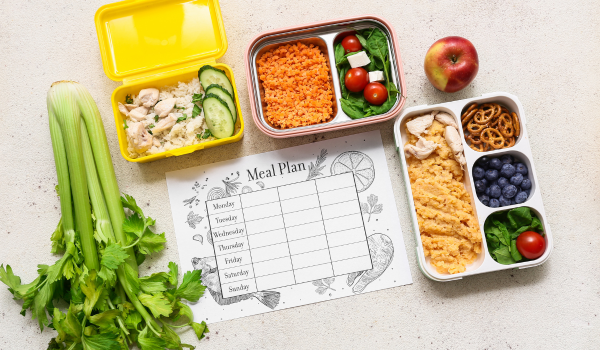
Example muscle-building meal plan
Breakfast
Cottage cheese topped with berries, chopped almonds, and low-sugar granola.
Lunch
A large salad with grilled chicken, boiled eggs, quinoa, fresh vegetables, and a side of lentil soup.
Post-workout
A protein shake made with whey protein.
Dinner
Brown rice served with grilled salmon and broccoli sautéed with garlic and olive oil.
People following plant-based diets may need to plan meals more carefully to ensure they meet their daily protein needs.
Common Mistakes To Avoid In Muscle Building
Although protein intake is important, other lifestyle factors also influence muscle growth.
Skipping strength training
Resistance training is one of the most effective ways to increase muscle mass and improve body composition.
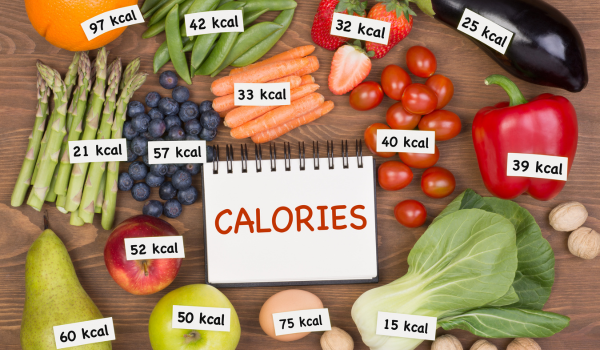
Not eating enough calories
Muscle growth requires sufficient energy. Restricting calories too much can limit muscle development.
Ignoring balanced nutrition
While protein is essential, the body also needs carbohydrates and healthy fats to support energy levels, hormone production, and muscle recovery.
For best results, follow a balanced diet that includes whole sources of protein, complex carbohydrates, healthy fats, fruits, and vegetables.
If you are unsure how much protein or calories you need for muscle gain, consulting a registered dietitian may help you create a personalized nutrition plan.






.png)
.png)
.png)

.png)
.png)
.png)
.png)
.png)
.png)
.png)
.png)
.png)



.png)
.png)
.png)
.png)
.png)
.png)


.png)
.png)

.png)


