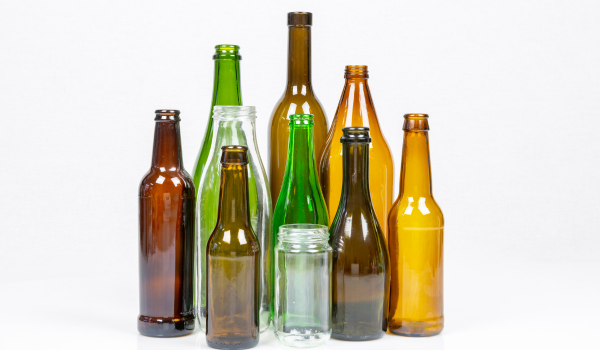
Many people choose glass bottles to avoid microplastics, assuming they are safer than plastic. However, recent research suggests that this may not always be the case. Microplastics have now been detected in beverages stored in glass containers, raising concerns about everyday exposure.
Microplastics are tiny plastic particles that are widely present in the environment, including in air, water, and food. Because of their widespread presence, avoiding them completely is difficult.
Drinks In Glass Bottles May Contain More Microplastics
A recent study analyzing various beverages—including water, soda, iced tea, lemonade, wine, and beer—found that all samples contained microplastics.
However, the level of contamination varied depending on the type of packaging.
Higher Levels In Glass Bottles
Certain drinks such as soda, iced tea, lemonade, and beer showed significantly higher levels of microplastics when packaged in glass bottles. In some cases, the amount was many times higher than in plastic bottles or cans.
Lower Levels In Water And Wine
Water generally had lower levels of contamination across all packaging types, although glass bottles still showed slightly higher levels compared to others. Wine showed relatively low contamination overall, especially when sealed with cork instead of caps.
These findings suggest that the type of container—and especially its components—can influence microplastic exposure.
How Do Microplastics Get Into Glass Bottles?
Glass itself does not release plastic particles, but other parts of the packaging can introduce contamination.
Bottle Caps And Coatings
Many glass bottles use metal caps coated with plastic-based paint or linings. These coatings can shed microscopic plastic particles into the beverage.
Friction And Wear
During manufacturing, transport, and storage, caps may develop tiny scratches. This friction can release particles into the liquid inside.
Production And Environment
Microplastics may also come from processing equipment, airborne particles, or contaminated ingredients used during production.
Researchers observed that cleaning bottle caps significantly reduced microplastic levels, suggesting that caps are a major source of contamination.
What Are The Health Concerns?
Microplastics have been detected in different parts of the human body, including blood, lungs, and the digestive system.
Although research is still ongoing, scientists are investigating potential health effects.
Possible Risks Being Studied
-
Inflammation and oxidative stress
-
Disruption of hormones
-
Effects on metabolism and reproduction
-
Changes in gut microbiome
The long-term impact of microplastic exposure is not yet fully understood. Factors such as particle size, shape, and chemical composition may influence how they affect the body.
Is Any Drinking Container Truly Safe?
Because microplastics are now found in many environments, no container can be considered completely free of risk.
Even bottled water and tap water have been found to contain microplastics, though levels may vary.
Rather than trying to eliminate exposure entirely, experts recommend focusing on reducing overall intake where possible.
How To Reduce Your Exposure
While it may not be possible to avoid microplastics completely, there are practical steps that can help minimize exposure.
Choose Safer Materials At Home
Use glass, stainless steel, or bamboo containers for everyday drinking when possible.
Limit Heat Exposure With Plastic
Avoid microwaving or placing plastic containers in the dishwasher, as heat can increase the release of microplastics.
Rotate Packaging Types
When buying beverages, consider varying the types of containers you use instead of relying on a single option.
Prioritize Fresh Drinks
Opt for fresh, minimally processed beverages whenever possible to reduce reliance on packaged products.
Final Thoughts
Microplastics are now a widespread part of modern life, and completely avoiding them may not be realistic. However, understanding where they come from and making small, informed choices can help reduce exposure.
Choosing a balanced approach—rather than relying on any single “safe” container—may be the most practical way to protect your health over time.













.png)
.png)

.png)

.png)
.png)

.png)

.png)
.png)
.png)
.png)
.png)
.png)



.png)
.png)
.png)
.png)
.png)
.png)



.png)
.png)

.png)