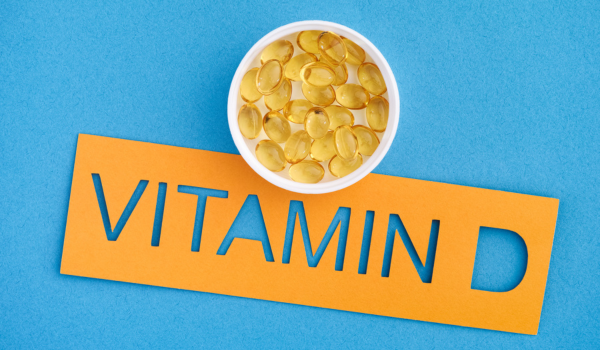
Vitamin D is commonly taken to support bone health or improve mood during darker months. However, recent research suggests it may also play a role in slowing biological aging. A study published in The American Journal of Clinical Nutrition found that vitamin D supplementation might help preserve telomere length—an important marker of aging.
According to the study’s lead author, JoAnn Manson, MD, MPH, DrPH, vitamin D supplementation “could potentially translate into a reduced risk of several age-related chronic diseases and an extension of lifespan.” However, experts caution that the findings are preliminary and should not yet change current health recommendations.
How Researchers Studied Vitamin D And Aging
Study Background
The findings come from the large VITAL trial, which followed over 25,000 adults aged 50 and older in the United States. Participants were randomly assigned to take vitamin D3, omega-3 fatty acids, both, or neither for five years.
A subset of about 1,000 participants provided blood samples at several points over four years. Researchers analyzed these samples to measure telomere length, a biological marker associated with aging.
What Are Telomeres?
Telomeres are protective caps at the ends of chromosomes, similar to the plastic tips on shoelaces. As cells divide over time, telomeres shorten. When they become too short, cells stop dividing, which contributes to aging and age-related disease.
Preserving telomere length may help slow this process, although scientists are still learning how meaningful this effect is in real-world aging.
Does Vitamin D Actually Slow Aging?
What The Study Found
Participants who took 2,000 IU of vitamin D3 daily experienced less telomere shortening compared to those who took a placebo. According to researchers, this difference was equivalent to preventing about three years of biological aging over a four-year period.
Why Experts Urge Caution
Despite promising results, experts urge restraint. The telomere measurements came only from white blood cells, not from other tissues in the body. Additionally, the observed benefit was modest.
Researchers also did not examine whether these telomere changes actually improved health outcomes or longevity. As one expert noted, longer telomeres don’t necessarily translate to better health unless proven through functional outcomes.
Should You Take Vitamin D For Anti-Aging?
Current Recommendations
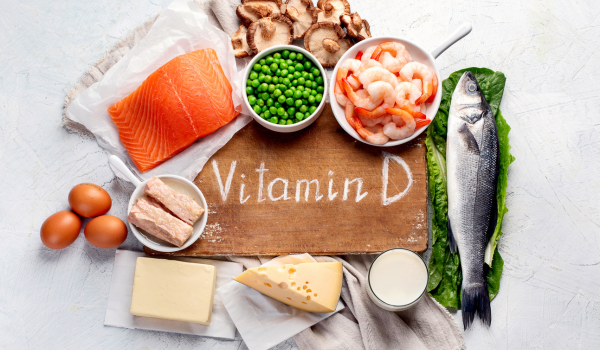
Adults generally need between 600 and 800 IU of vitamin D daily to support bone, muscle, and immune health. This amount can often be achieved through a combination of sunlight, food, and supplementation.
However, experts caution against taking vitamin D solely for anti-aging purposes. The evidence is still too limited to justify supplementation for this reason alone.
What Experts Say
Health professionals emphasize that vitamin D supplementation should not be viewed as a shortcut to longevity. More research is needed before any anti-aging claims can be confirmed. For now, vitamin D remains important primarily for bone health and overall metabolic support.
Who Might Benefit From Vitamin D Supplements?
People At Higher Risk Of Deficiency
Some individuals may benefit from vitamin D supplementation, including:
-
Older adults
-
People with limited sun exposure
-
Individuals with certain digestive or absorption disorders
However, major health organizations remain cautious. The U.S. Preventive Services Task Force states there is not enough evidence to recommend routine vitamin D screening in healthy adults.
In fact, recent guidance suggests older adults should not take vitamin D specifically to prevent falls or fractures due to inconsistent evidence.
Can Vitamin D Be Harmful?
Potential Risks
While vitamin D is generally safe, excessive intake can be harmful. Doses above 4,000 IU per day may lead to side effects such as:
-
Nausea
-
Muscle weakness
-
Kidney problems
-
Irregular heartbeat
Because vitamin D is fat-soluble, excess amounts can accumulate in the body, increasing toxicity risk over time.
The Bottom Line
Vitamin D plays an important role in maintaining overall health, especially for bones, muscles, and immune function. Emerging research suggests it may help slow biological aging, but the evidence is still preliminary.
Experts agree that supplements should not replace a balanced diet or healthy lifestyle. For now, the best approach is to meet vitamin D needs safely through sunlight, food, and supplementation when medically appropriate.

.png)



.png)



.png)
.png)














.png)
.png)
.png)
.png)


.png)



.png)