Most of us have a long list of healthy habits we'd like to fit into our daily lives. Stretching, using under-eye masks, taking supplements, flossing, making smoothies, meditating, and going for daily walks may all sound simple individually. The difficult part is actually finding the time and motivation to do them consistently.
A growing TikTok trend known as "stacking" offers a possible solution. The basic idea is to combine several healthy behaviors and complete them either at the same time or one after another. By grouping these activities into a predictable routine, supporters believe it becomes easier to practice them regularly.
TikTok creator Bridgette Muller helped popularize the idea of "wellness stacking" in 2024. Her routine involved dedicating about 20 minutes each day to several wellness and self-care activities at once. For example, she would lie on a pulsed electromagnetic field (PEMF) mat while using teeth-whitening strips, dry brushing her skin, applying hair oil, and incorporating other wellness practices.
One of the main attractions of this approach is efficiency. Instead of finding separate periods throughout the day for every wellness activity, stacking allows several habits to fit into one dedicated block of time.
For people who struggle to maintain complicated wellness routines, having a short and predictable period for multiple activities may make healthy habits feel more manageable.
Different Ways To Stack Your Wellness Routine
The wellness stacking trend is closely related to an older concept known as "habit stacking." Habit stacking generally involves connecting a new behavior with something you already do regularly.
For example, someone might walk on a treadmill while watching videos or scrolling through social media. Another person might complete household chores during breaks between exercises in an at-home workout.
As habit stacking became increasingly popular online, several variations emerged that specifically focus on health, fitness, nutrition, and self-care.
Wellness stacking
Wellness stacking is the broadest version of the trend. It usually involves combining several healthy or self-care activities during the same period or completing them one immediately after another.
For example, someone could wear teeth-whitening strips and apply a face mask while stretching for 15 minutes. Another wellness stack might include meditating while taking a 20-minute outdoor walk and then preparing a protein smoothie afterward.
The goal is not necessarily to make each activity more effective. Instead, stacking may make it easier to complete several beneficial behaviors within a limited amount of time.
Supplement stacking
Supplement stacking refers to taking a planned combination of vitamins or supplements as part of a regular routine.
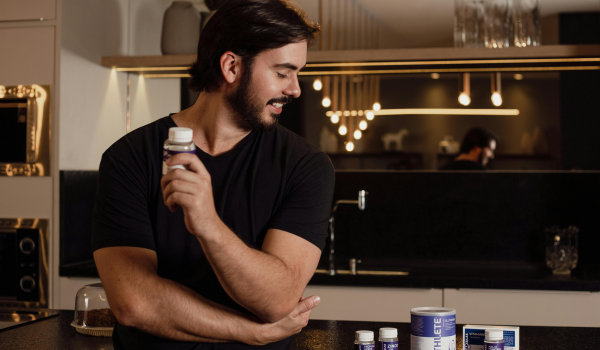
On social media, creators sometimes share their daily "supplement stacks," showing several products they take together or one after another. The idea is often presented as a convenient way to support multiple areas of health through one consistent routine.
However, combining supplements deserves additional caution. More supplements do not automatically produce better health outcomes, and certain products may interact with one another or with medications.
Stacked water
Stacked water takes ordinary hydration and adds several ingredients to one drink. Rather than simply drinking plain water, people may combine water with ingredients intended to provide additional nutritional or fitness-related benefits.
Popular versions shared online may contain collagen powder, creatine, coconut water, fruit juice, or electrolyte mixes.
For some people, combining ingredients into one drink may make their routine more convenient. However, the usefulness of each ingredient depends on individual nutritional needs, diet, activity level, and overall health.
Fitness or exercise stacking
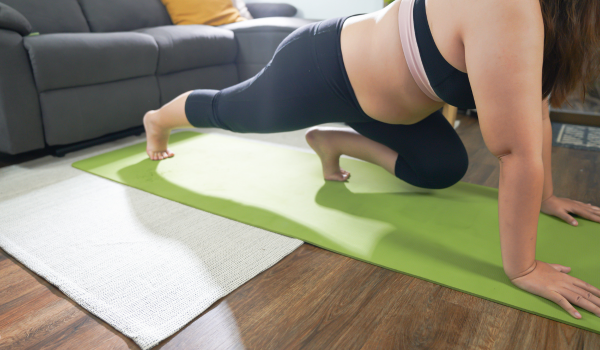
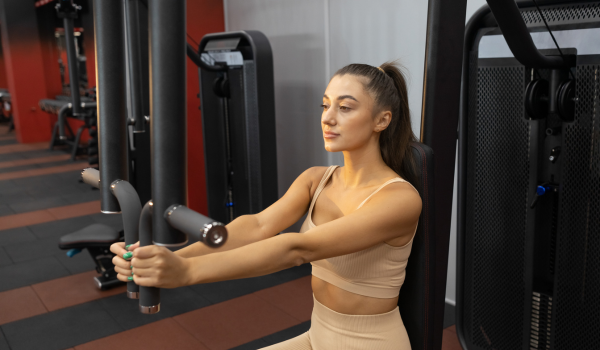
Exercise stacking can take several different forms.
One approach is to connect a short exercise with an activity you already perform every day. Someone might do simple wall pushups while waiting for coffee or tea to finish brewing, for example.
Another approach involves completing several short exercises consecutively rather than doing one long workout session.
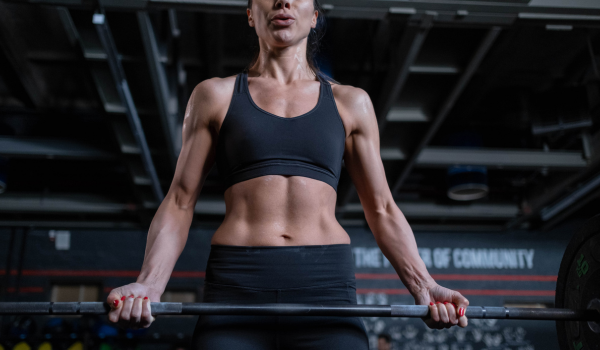
Some people also combine activities, such as walking while performing suitable upper-body movements. The broader idea is to make movement easier to incorporate into an existing daily schedule rather than waiting for a large block of free time.
Can Stacking Really Help You Reach Your Health Goals?
Social media wellness trends should always be approached carefully, but the basic behavioral concept behind stacking has some reasonable foundations.
Behavior-change research has long explored how small actions, environmental cues, and existing routines can help people establish new habits.
Social scientist BJ Fogg popularized a related approach in his book "Tiny Habits: The Small Changes That Change Everything." His behavioral framework emphasizes the relationship between motivation, ability, and prompts.
People may genuinely want to adopt healthier habits and have the ability to make those changes. The challenge often comes from turning those intentions into consistent actions.
Connecting a new behavior with an established routine can provide a natural reminder to perform it.
For example, someone who wants to practice balance might connect a brief balance exercise with an activity they already perform every morning. Because the existing activity occurs consistently, it can become a cue for the new behavior.
This approach may also reduce the amount of mental effort involved in deciding when to perform a healthy activity.
Instead of repeatedly asking yourself when you will exercise, meditate, stretch, or complete another wellness task, the behavior becomes connected to a predetermined part of your routine.
Consistency is one of the biggest potential advantages of stacking. When several behaviors have a clear time and place in your schedule, you may be less likely to forget them or continuously postpone them.
This may partly explain why some people enjoy supplement stacking or stacked water routines. Rather than thinking about these activities throughout the entire day, they create one specific time when they focus on them.
Why Simple Habits May Work Better
One potential mistake with wellness stacking is trying to introduce too many changes at once.
A complicated routine may look impressive on social media, but maintaining it every day can become difficult. If a wellness stack requires numerous products, devices, supplements, exercises, and preparation steps, it may eventually create more stress than convenience.
Starting with one or two manageable behaviors may be more sustainable.
Once those behaviors become familiar, another habit can gradually be added. This approach allows the routine to develop naturally rather than requiring an immediate lifestyle overhaul.
The effectiveness of stacking also depends on choosing behaviors that genuinely support your goals. Adding more activities simply because they are trending does not necessarily improve your health.
A useful stack should make healthy behaviors easier to maintain rather than making your routine unnecessarily complicated.
Trying Wellness Stacking For Yourself
If you want to experiment with wellness stacking, begin with simple activities that fit naturally into your existing routine.
Look for behaviors you already perform consistently and consider whether a small healthy habit could reasonably be connected to them.
For example, a short stretching routine could follow your morning coffee. A brief walk might happen after lunch. A few minutes of relaxation or meditation could become part of your evening routine.
The important point is that the routine should remain realistic.
There is no need to copy elaborate wellness stacks seen on TikTok. What works for one creator may not fit another person's schedule, lifestyle, nutritional needs, or health goals.
Extra caution is particularly important when stacking supplements or combining numerous ingredients in drinks. Supplements can interact with medications or with each other, and consuming larger amounts does not necessarily provide greater benefits. A qualified healthcare professional can help answer questions about whether specific supplements or wellness practices are appropriate.
Wellness devices should also be evaluated carefully before purchasing them simply because they appear in popular routines online. Consider whether there is reliable evidence supporting the product and whether it addresses something you actually need.
Ultimately, the most useful version of stacking is often the simplest one.
Instead of attempting to optimize everything at once, focus on small, realistic improvements that can become part of everyday life. Building consistency through manageable habits may provide more sustainable results than creating an ambitious routine that becomes difficult to maintain.
.png)



.png)







.png)



.png)




.png)

.png)