Skin cancer is the most common form of cancer worldwide, but it’s also one of the most preventable and treatable—especially when detected early. Understanding the different types of skin cancer can help you recognize warning signs quickly and take the right steps to protect your skin. Each type has unique characteristics, risks, and behaviors, so knowing the differences is essential for prevention and early intervention.
This article breaks down the most common and rare forms of skin cancer, their appearance, and what you should look out for.
Basal Cell Carcinoma (BCC)
Basal cell carcinoma is the most common—and fortunately, the least dangerous—type of skin cancer. It grows slowly and rarely spreads to other parts of the body. However, it can cause significant skin damage if left untreated.
What It Looks Like
-
A shiny, pearly bump or nodule
-
A pink or red patch that doesn’t go away
-
A sore that bleeds easily or does not heal
-
A scar-like area with a waxy or pale appearance
Where It Commonly Appears
Areas frequently exposed to the sun:
-
Face
-
Ears
-
Neck
-
Scalp
-
Shoulders
Risk Factors
-
Chronic sun exposure
-
Fair skin
-
History of tanning beds
-
Older age
Though BCC is rarely life-threatening, early treatment is important to prevent deep tissue damage.
Squamous Cell Carcinoma (SCC)
Squamous cell carcinoma is the second most common type of skin cancer. It grows faster than basal cell carcinoma and can sometimes spread if ignored.
What It Looks Like
-
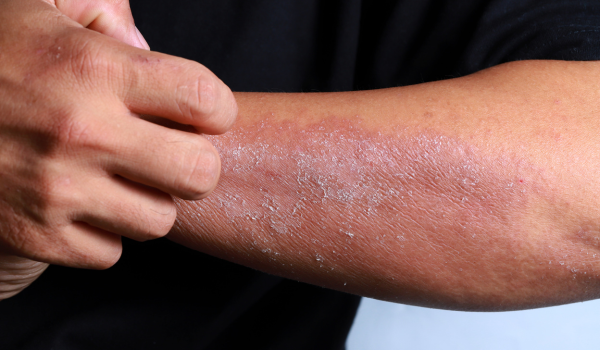
Scaly, rough patches
-
A firm red bump
-
A crusted or thickened lesion
-
A sore that doesn’t heal
-
Wart-like growths
Where It Commonly Appears
-
Face
-
Hands
-
Ears
-
Lips
-
Scalp
-
Areas with previous burns, scars, or chronic wounds
Risk Factors
-
Long-term UV exposure
-
Weakened immune system
-
Smoking
-
Precancerous growths like actinic keratosis
SCC is highly treatable when caught early, but it requires prompt medical attention due to its higher risk of spread.
Melanoma
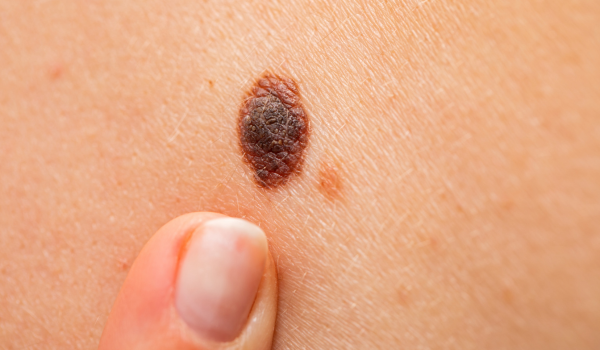
Melanoma is the most dangerous form of skin cancer. Though less common, it can spread rapidly to other organs if not detected early. Melanoma originates in melanocytes—the pigment-producing cells of the skin.
What It Looks Like
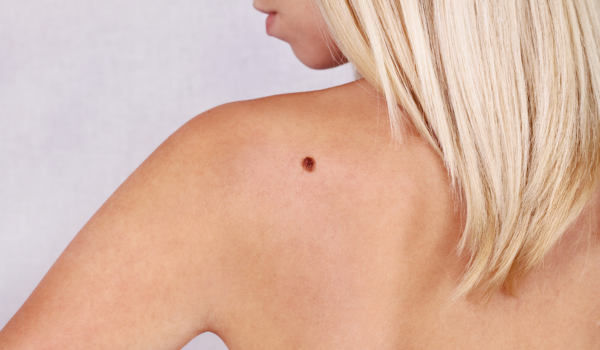
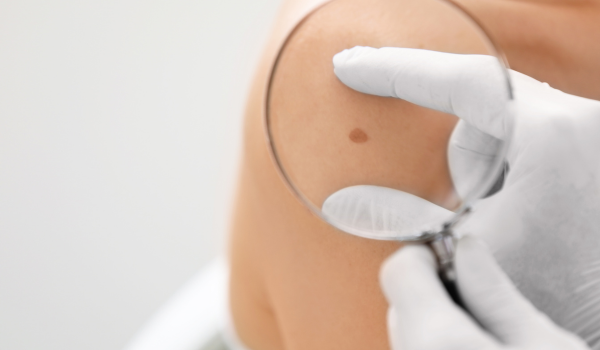
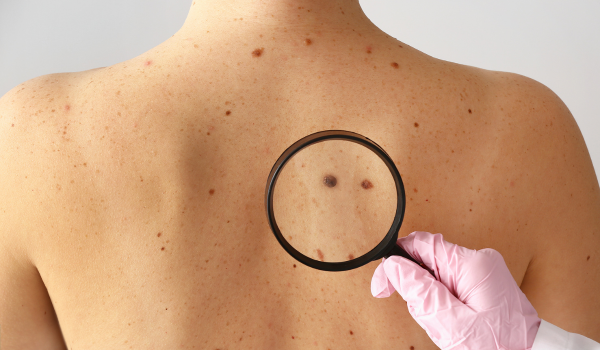
Melanoma often follows the ABCDE Rule:
-
A – Asymmetry: One side doesn’t match the other
-
B – Border: Edges are irregular or blurred
-
C – Color: Multiple colors—brown, black, red, white, or blue
-
D – Diameter: Larger than 6 mm (about the size of a pencil eraser)
-
E – Evolving: Changes in size, color, shape, or elevation
Where It Commonly Appears
-
Trunk (men)
-
Legs (women)
-
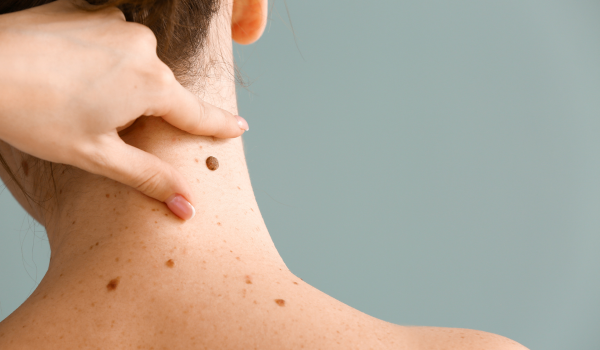
Neck and face
-
Sometimes in areas with little sun exposure
Risk Factors
-
Family history of melanoma
-
Having many moles or atypical moles
-
Severe sunburns in childhood
-
Fair skin and light-colored eyes
-
Genetic predisposition
Melanoma requires immediate medical evaluation and treatment. Detecting it early dramatically increases survival rates.
Less Common Types of Skin Cancer
Although rarer, these types are important to recognize.
Merkel Cell Carcinoma
Merkel cell carcinoma is aggressive and tends to spread quickly. It usually appears as a painless, firm, shiny nodule.
Common Locations
-
Face
-
Head
-
Neck
Key Risks
-
Older age
-
Suppressed immune system
-
Heavy sun exposure
This form of cancer requires urgent specialist treatment.
Dermatofibrosarcoma Protuberans (DFSP)
DFSP is a slow-growing cancer that originates in the connective tissue.
What It Looks Like
-
A firm bump
-
A raised patch that grows slowly over months or years
Although rare, DFSP can invade deeper tissues and requires surgical removal.
Kaposi Sarcoma
Kaposi sarcoma develops from the cells lining blood vessels. It is linked to the herpesvirus HHV-8 and commonly affects people with weakened immune systems.
Appearance
-
Red, purple, or brown patches
-
Can occur on skin or internal organs
Immediate medical assessment is necessary for proper treatment.
How to Protect Yourself From Skin Cancer
While not all skin cancers are preventable, most cases relate to UV exposure. Simple steps can reduce your risk dramatically:
-
Use broad-spectrum sunscreen SPF 30 or higher daily
-
Wear protective clothing, hats, and sunglasses
-
Avoid tanning beds
-
Seek shade during peak sunlight hours
-
Perform monthly skin self-exams
-
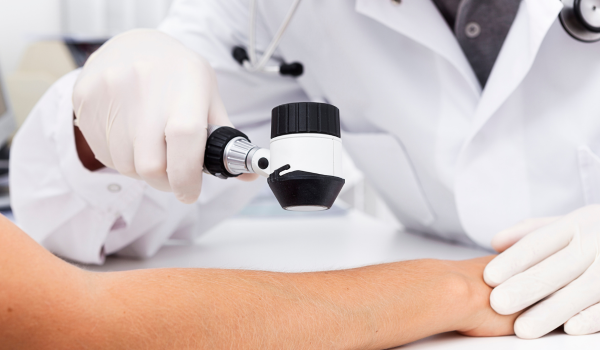
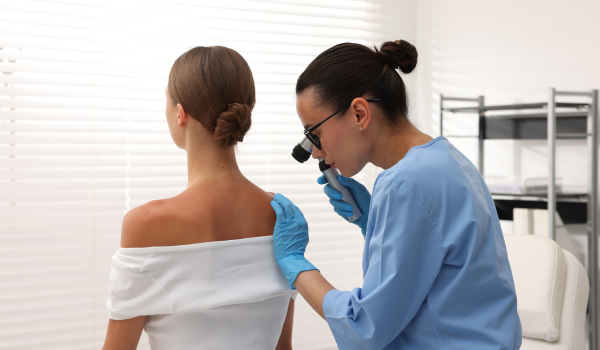
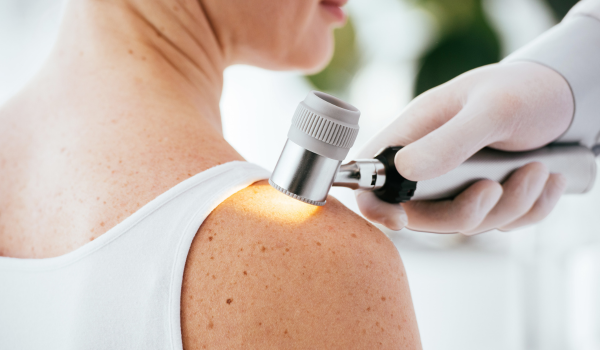
Get a professional skin check annually
Early detection saves lives, and prevention is always easier than treatment.
When to See a Dermatologist
You should book a skin check if you notice:
-
Any new or changing mole
-
A spot that bleeds or won’t heal
-
A patch that becomes itchy, painful, or crusty
-
A bump that grows rapidly
-
Any lesion that looks suspicious or unusual
Trust your instincts—if something on your skin feels “off,” it’s worth getting checked.




.png)
.png)
.png)
.png)
.png)
.png)
.png)
.png)
.png)



.png)