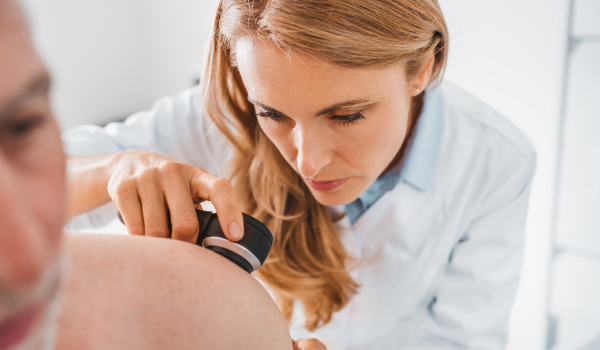
Skin cancer is the most common cancer worldwide, and while anyone can develop it, certain people face much higher risks than others. Understanding these risk factors is essential for prevention, early detection, and informed decision-making about sun protection and lifestyle habits.
This guide breaks down the major contributors to skin cancer risk—genetic factors, environmental exposure, behaviors, and health history—so you can clearly understand who is most vulnerable and why.
Genetic and Biological Risk Factors
Fair Skin, Light Eyes, and Light Hair
People with fair or very light skin, especially those who burn easily, have freckles, or have blonde or red hair, are significantly more susceptible to UV damage. This is because they have less melanin—the pigment that naturally absorbs UV rays and provides protection.
Individuals with blue or green eyes also tend to be more sensitive to UV radiation.
Family History of Skin Cancer
Having a first-degree relative (parent, sibling, or child) with melanoma increases your risk. Genetics can influence factors like how your skin repairs UV damage or how your body responds to sunlight.
Personal History of Skin Cancer
If you’ve had any type of skin cancer before—melanoma, basal cell carcinoma (BCC), or squamous cell carcinoma (SCC)—your risk of developing another is substantially higher. Past UV damage accumulates, making the skin more vulnerable over time.
Age
Skin cancer becomes more common with age, especially after 50. That’s because sun damage accumulates over decades. However, melanoma can also appear in younger adults—particularly those who used tanning beds or had frequent sunburns as teens.
Environmental and Sun Exposure Risks
High UV Exposure (Sun or Tanning Beds)
Ultraviolet (UV) radiation is the number one cause of skin cancer. Risk increases with:
-
Spending long hours in the sun
-
Living in sunny or tropical climates
-
Vacationing frequently in high-UV regions
-
Working outdoors
Tanning beds are even more dangerous. They emit concentrated UV radiation and are classified as carcinogenic, increasing melanoma risk—especially when used before age 30.
Geographical Location and Altitude
People who live near the equator, in high-altitude areas, or in places with clear, sunny climates receive higher UV exposure. Snow, sand, and water also reflect sunlight, intensifying UV exposure.
History of Severe Sunburns
Blistering sunburns—especially during childhood or teenage years—have a long-term impact on melanoma risk. Even one severe sunburn can increase the likelihood of developing skin cancer later in life.
Occupational Exposure
Outdoor workers—such as farmers, construction workers, lifeguards, and athletes—face higher cumulative UV exposure, raising their long-term risk.
Behavioral and Lifestyle Risk Factors
Tanning Habits
Intentional tanning—whether outdoors or in a tanning bed—significantly raises melanoma and non-melanoma skin cancer risk. Many people underestimate this because a tan can temporarily make skin look healthy, even though the darkening process is actually DNA damage.
Inconsistent Sunscreen Use
Not using sunscreen regularly, using too little, or using the wrong SPF for your environment can leave the skin unprotected. Failing to reapply sunscreen—especially during outdoor activities—also increases vulnerability to UV damage.
Outdoor Recreation and Sports
People who spend lots of time doing outdoor sports (swimming, running, cycling, surfing, skiing) often get prolonged or reflected UV exposure, which builds up over time.
Medical and Health-related Risk Factors
Weakened Immune System
Individuals with compromised immune systems—such as organ transplant recipients, people with HIV/AIDS, or those taking long-term immunosuppressive medications—are at higher risk of skin cancer. Their bodies have a harder time repairing UV-induced damage.
Certain Genetic Disorders
Rare conditions like xeroderma pigmentosum (XP) impair the body's ability to repair DNA damaged by UV rays, greatly increasing skin cancer risk even at a young age.
Skin Type and Number of Moles
People with:
-
A large number of moles, or
-
Atypical (dysplastic) moles
have a higher risk of melanoma. These moles have a greater chance of turning cancerous over time.
Chemical Exposure
Certain chemicals—such as arsenic—can increase the risk of skin cancer when exposure occurs over long periods, usually in occupational environments.
Demographic Factors
Gender
Men have higher rates of melanoma and non-melanoma skin cancers, particularly older men. This may be because they spend more time outdoors and are less likely to use sunscreen.
Younger women, however, have rising melanoma rates mainly due to tanning bed use.
Ethnicity and Skin Tone
While skin cancer is more common in lighter-skinned individuals, people with darker skin tones are not immune. They often develop skin cancer later and may miss early signs because of the misconception that they are fully protected.
In darker skin, melanoma is more likely to appear on areas with low sun exposure—such as palms, soles, or under the nails—known as acral lentiginous melanoma.
Combined Risk Factors Multiply Danger
Many people have multiple overlapping risk factors, significantly elevating their susceptibility. For example, someone who:
-
Has fair skin
-
Lives in a sunny climate
-
Uses tanning beds
-
And works outdoors
faces a much higher risk than any single factor alone would suggest.
Understanding your personal combination of risks is key to taking proactive steps to protect your skin.
How to Reduce Your Risk
Even if you have several risk factors, you can still greatly reduce your chance of developing skin cancer by:
-
Wearing sunscreen daily
-
Avoiding tanning beds
-
Wearing protective clothing, hats, and sunglasses
-
Seeking shade during peak sunlight hours
-
Doing monthly skin self-exams
-
Scheduling regular dermatology check-ups
Early detection saves lives—especially with melanoma.
.gif)

.png)
.png)
.png)
.png)
.png)
.png)
.png)
.png)
.png)
.png)