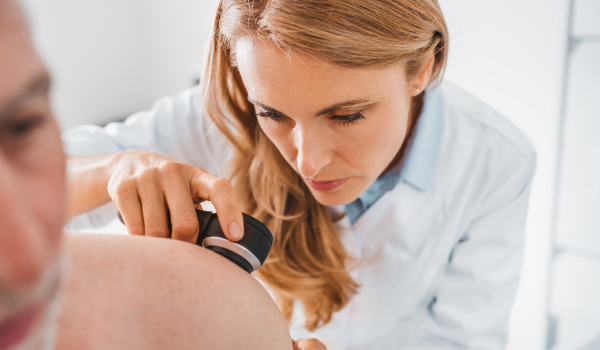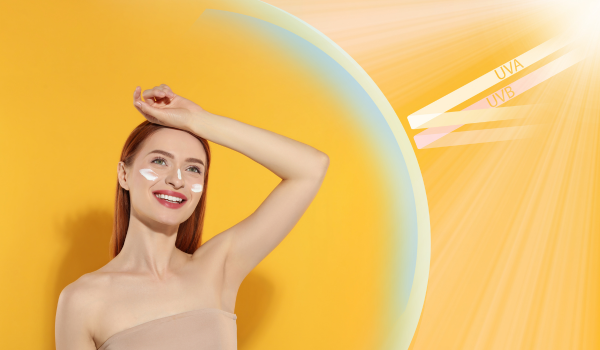
Skin cancer is the most common form of cancer worldwide — but it’s also one of the most preventable. While genetics and medical history can play a role, the majority of cases are linked to ultraviolet (UV) exposure from the sun or tanning beds. The good news? You can significantly reduce your risk by practicing proper sun protection every day, not just on beach vacations.
This guide walks you through the essential principles of sun protection, why UV rays are harmful, and practical steps you can take to protect your skin for life.
Understanding UV Radiation and Why It Matters
To protect your skin, you first need to understand what you're protecting it from. The sun produces different types of UV radiation:
UVA Rays
-
Penetrate deep into the skin
-
Cause premature aging, wrinkles, and long-term damage
-
Can pass through clouds and glass
-
Strong all year round
UVB Rays
-
Directly damage the surface layers of the skin
-
Cause sunburn
-
Main contributor to most skin cancers
-
Strongest from 10 a.m. to 4 p.m.
Both UVA and UVB rays can damage your DNA, weaken your skin’s natural barrier, and increase your risk of skin cancer. Daily protection is essential, even on cloudy days.
The Importance of Daily Sunscreen Use
Sunscreen is one of the most powerful tools you have for preventing skin cancer. However, many people misuse it or don’t apply enough.
What SPF Really Means
SPF (Sun Protection Factor) measures how well a sunscreen blocks UVB rays. Dermatologists recommend:
-
SPF 30 at minimum
-
SPF 50 for extended outdoor time or sensitive skin
-
Broad-spectrum sunscreen to protect against both UVA and UVB
How to Apply Sunscreen Correctly
To get the full protection promised on the label:
-
Apply two fingers’ worth of sunscreen for your face and neck
-
Use about one ounce (a shot glass) for your full body
-
Apply 15 minutes before going outside
-
Reapply every two hours, or immediately after swimming or sweating
Make sunscreen a part of your morning routine—just like brushing your teeth.
Protective Clothing: Your Second Defense Layer
Sunscreen is effective, but clothing offers physical protection that doesn’t wash off or fade.
Wear UPF Clothing
UPF (Ultraviolet Protection Factor) clothing is designed to block UV rays. Look for:
-
UPF 30–50+
-
Long-sleeve shirts
-
Wide-brim hats
-
UV-protective swimwear
Regular clothing can also protect you if it's tightly woven and dark-colored, but UPF-rated garments offer the highest protection.
Choose the Right Accessories
-
Wide-brim hats shield the face, neck, and ears
-
UV-blocking sunglasses protect the eyes and surrounding skin
-
Long sleeves and pants reduce direct skin exposure
Think of clothing as your everyday armor against UV damage.
Seek Shade and Time Your Sun Exposure Wisely
Even with sunscreen and protective clothing, minimizing overall exposure is crucial.
Follow the Shadow Rule
If your shadow is shorter than you, the sun is strongest — usually between 10 a.m. and 4 p.m.
Take Advantage of Shade
-
Sit under umbrellas, trees, awnings, or shelters
-
Use portable shade when outdoors for long periods
-
Take breaks indoors if spending all day outside
Just remember: shade does not block all UV rays. Surfaces like sand, water, and concrete reflect sunlight.
Avoid Tanning Beds—There Is No Safe Tan
One of the biggest myths in skincare is that indoor tanning is safer than sun exposure. It’s not.
Why Tanning Beds Are Dangerous
-
They emit concentrated UVA radiation, far more intense than natural sunlight
-
Indoor tanning increases the risk of melanoma by 59%, especially in younger people
-
Even a single tanning session can damage your DNA
A “safe tan” simply doesn’t exist. Any change in skin color—tanning or burning—is a sign of skin damage.
Protecting Children and Teens
Children are especially vulnerable to UV damage. A single severe sunburn in childhood can double the risk of melanoma later in life.
Sun Safety Rules for Kids
-
Avoid direct sun exposure for babies under 6 months
-
Dress infants and toddlers in UPF clothing and wide-brim hats
-
Use mineral sunscreens (zinc oxide or titanium dioxide) for young children
-
Reapply sunscreen frequently, especially during outdoor play
-
Teach teens the dangers of tanning beds and encourage healthy alternatives
Building sun-safe habits early sets them up for healthier skin throughout life.
Special Considerations for Different Skin Types
People with fair skin are at higher risk, but skin cancer affects all skin tones.
Darker Skin
Those with deeper skin tones often believe they don't need sunscreen, but this is false. While melanin provides some natural protection, it is not enough. Skin cancer in darker-skinned individuals is often detected later, when it's more dangerous.
Sensitive or Acne-Prone Skin
Choose:
-
Mineral sunscreens
-
Non-comedogenic formulas
-
Fragrance-free products
Everyone, regardless of complexion or skin type, needs daily sun protection.
How to Choose the Right Sunscreen
When selecting sunscreen, look for labels that say:
-
Broad-spectrum
-
SPF 30+
-
Water-resistant (important for swimming or sweating)
-
Non-comedogenic (if you’re acne-prone)
-
Mineral-based for sensitive skin
Formulas to consider:
-
Lotions for full-body coverage
-
Gels for hairy areas
-
Sticks for the face
-
Sprays for quick reapplication (but rub in to ensure full coverage)
The “best” sunscreen is the one you’ll use consistently.
Healthy Daily Habits to Reduce Your Skin Cancer Risk
Incorporate these practices into your routine:
-
Apply sunscreen every morning
-
Reapply during outdoor activities
-
Wear protective clothing
-
Avoid peak sun hours when possible
-
Stay vigilant about moles or new skin changes
-
Schedule annual skin checks with a dermatologist
Small habits practiced consistently make a huge difference over time.
Final Thoughts
Sun protection isn’t just for summer—it’s a lifelong health habit. By wearing sunscreen daily, choosing protective clothing, avoiding tanning beds, and being mindful of UV exposure, you can dramatically reduce your risk of skin cancer.
Protecting your skin today protects your health tomorrow.
.gif)

.png)
.png)
.png)
.png)
.png)
.png)
.png)
.png)
.png)
.png)