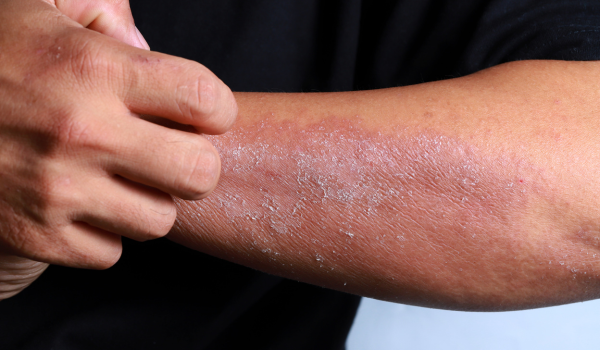
Skin cancer is one of the most common—and most preventable—types of cancer worldwide. When detected early, it is also highly treatable. The challenge is that many people overlook the first warning signs because they appear subtle, harmless, or similar to everyday skin changes. Understanding what to look for can make a life-saving difference.
This guide explains the early signs of skin cancer, the types you should be aware of, and when to seek medical evaluation. While this information can help you stay informed, it is not a medical diagnosis—any suspicious change on your skin should be assessed by a qualified healthcare professional.
Understanding the Types of Skin Cancer
Before looking at the early signs, it helps to know the three main forms of skin cancer:
-
Basal cell carcinoma (BCC) – the most common and usually slow-growing
-
Squamous cell carcinoma (SCC) – can grow deeper and spread if untreated
-
Melanoma – less common but the most dangerous due to its ability to spread quickly
Different types of skin cancer can look different, but all of them begin with noticeable changes on the skin.
Early Signs of Basal Cell Carcinoma
Basal cell carcinoma often appears in areas frequently exposed to the sun, such as the face, neck, scalp, and arms. Early signs include:
A pearly or shiny bump
This bump may look like a small, painless pimple that never goes away. It may appear white, pink, red, or even brown on deeper skin tones.
A flat, scaly patch
These patches often look dry or irritated and can resemble eczema. They may slowly enlarge over time.
A sore that bleeds or won’t heal
A wound that repeatedly heals and opens again is a common early indicator of BCC.
Early Signs of Squamous Cell Carcinoma
Squamous cell carcinoma is more likely to grow deeper than BCC, so early detection is essential.
A firm, red bump
These bumps may feel rough or tender to the touch and may grow steadily.
A scaly patch or thickened skin
The area may look crusty, flaky, or similar to psoriasis.
A sore that crusts or bleeds
SCC lesions can appear irritated and may ooze or develop a hard crust.
Early Signs of Melanoma (The Most Dangerous Type)
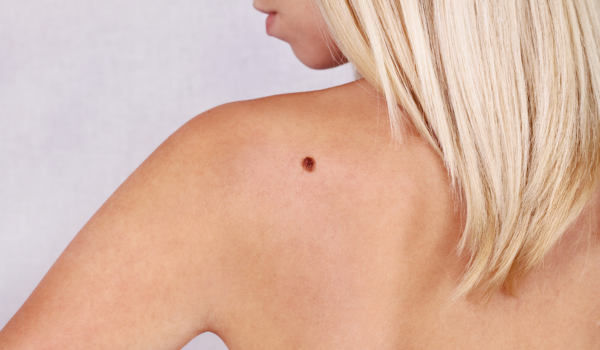
Melanoma can develop anywhere on the body—even in areas not exposed to the sun, such as the soles of the feet, under nails, or the groin.
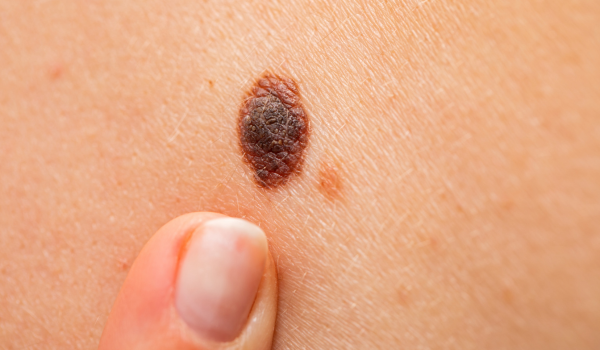
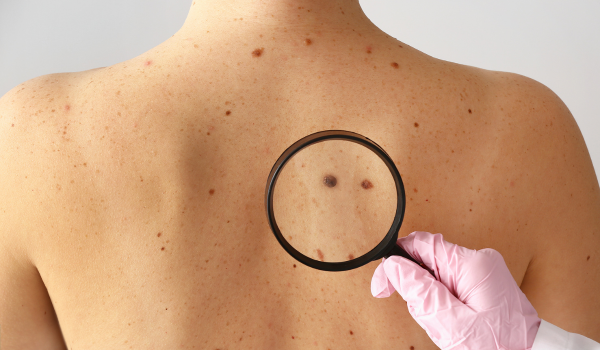
To detect melanoma early, health professionals often recommend following the ABCDE rule.
A – Asymmetry
One half of the mole doesn’t match the other half in shape, size, or color.
B – Border irregularity
Edges may appear blurry, jagged, or uneven.
C – Color changes
Melanomas often contain multiple shades: brown, black, red, blue, gray, or even white.
D – Diameter
They are often larger than 6 mm (about the size of a pencil eraser), though small melanomas are also possible.
E – Evolving
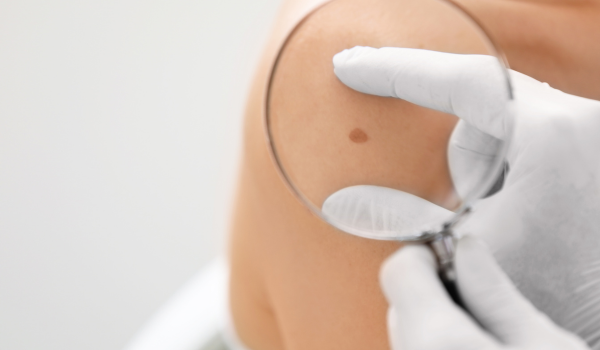
Any mole that changes in size, shape, texture, or color—or begins to itch or bleed—should be checked immediately.
Other Warning Signs to Watch For
Not all skin cancer signs fit the typical patterns. Be alert to:
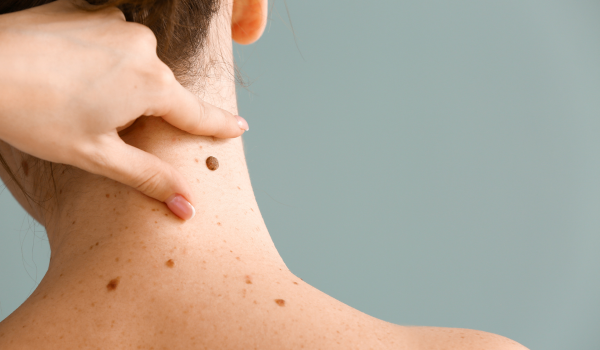
A new mole or spot
Especially after age 30, new moles should be monitored closely.
A mole that looks different from your other moles
This is called the “ugly duckling sign.” If one spot stands out from the rest, it's worth examining.
Persistent itching or tenderness
Pain, tingling, or itching in a specific spot could indicate abnormal skin cell activity.
Changes under the nails
Dark streaks, nail lifting, or pigmentation on the cuticle could signal melanoma.
Unusual growths on the lips or inside the mouth
These can be associated with SCC, especially in people who smoke or have heavy sun exposure.
Why Early Detection Matters
When skin cancer is found early:
-
Basal cell carcinoma has a very high cure rate
-
Squamous cell carcinoma is frequently curable before it spreads
-
Melanoma survival rates are significantly higher
The earlier treatment begins, the less invasive it tends to be.
Who Is at Higher Risk?
Anyone can develop skin cancer, but your risk increases if you have:
-
A history of intense sun exposure or sunburns
-
Fair skin or light-colored eyes
-
A family history of skin cancer
-
A large number of moles
-
A weakened immune system
-
Frequent indoor tanning history
Even if you do not fall into these categories, regular skin checks remain important.
How to Protect Yourself
While skin cancer can’t always be prevented, you can greatly reduce your risk by:
-
Wearing sunscreen daily
-
Avoiding tanning beds
-
Seeking shade during peak UV hours
-
Wearing hats, sunglasses, and protective clothing
-
Checking your skin monthly
-
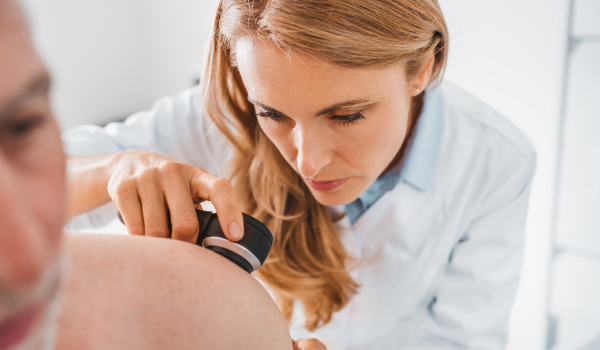
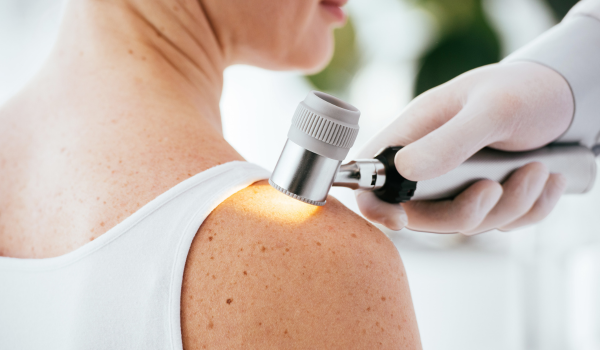
Scheduling annual dermatology exams
Protection is especially important for children, as early sun damage significantly increases risk later in life.
When to See a Doctor
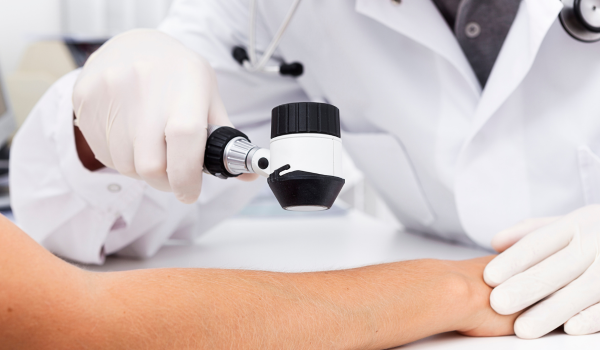
Visit a dermatologist as soon as possible if you notice:
-
A mole or spot that changes
-
A lesion that bleeds or won’t heal
-
A new, unusual bump on the skin
-
Any ABCDE melanoma sign
-
Persistent itching, crusting, or pain
It's always better to have a harmless spot checked than to miss something important.
Final Thoughts
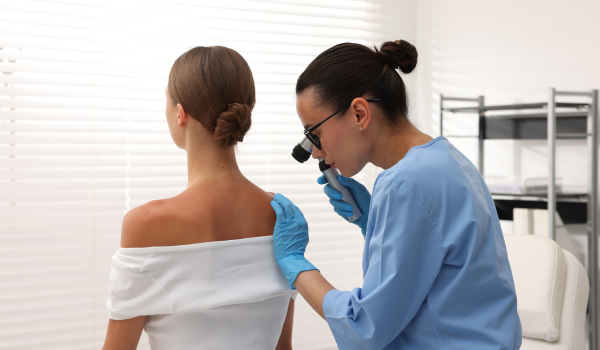
Skin cancer is common, but it’s also one of the most preventable and treatable cancers when detected early. By learning the early signs and paying attention to changes in your skin, you’re taking a powerful step toward protecting your long-term health.




.png)
.png)
.png)
.png)
.png)
.png)
.png)
.png)
.png)



.png)