.png)
When traveling, many people simply toss their medications into a bag without thinking much about storage conditions. However, improper storage can damage medications, reduce their effectiveness, or even create safety risks.
Factors such as heat, humidity, sunlight, and improper packaging can affect the stability of prescription and over-the-counter medications. Knowing where not to store your medications while traveling can help ensure they remain safe and effective throughout your trip.
Loose In A Plastic Bag
Placing multiple medications together in a plastic bag may seem convenient, but it can create several problems.
Different pills may look similar, especially when you're tired, jet-lagged, or traveling across time zones. This increases the risk of taking the wrong medication or incorrect dosage. In addition, pills stored loosely in bags are more likely to become crushed, damaged, or contaminated.
Better Alternative
Keep medications in their original containers or packaging whenever possible. Original packaging provides important information such as dosage instructions, expiration dates, and prescription details.
If you normally use a pill organizer, consider bringing it empty and filling it once you arrive at your destination.
The Hotel Bathroom
Bathrooms are one of the worst places to store medications.
Although many people keep medicines in bathroom cabinets at home, hotel bathrooms are often warm and humid due to showers, baths, and sinks. Excess moisture and heat can reduce the effectiveness of certain medications and potentially shorten their shelf life.
Water exposure can also damage pills, capsules, and packaging.
Better Alternative
Store medications in a cool, dry location such as:
- A bedroom dresser
- A nightstand drawer
- A dry countertop
- Your travel bag
If you are carrying controlled medications, a hotel safe may provide additional security.
Checked Luggage
Packing medications in checked luggage may seem logical if you do not plan to use them during the flight, but it carries several risks.
Checked bags may be exposed to:
- Extreme temperatures
- Humidity
- Rain during loading or unloading
- Lost or delayed luggage situations
If your luggage is misplaced, you could find yourself without essential medications for several days.
Better Alternative
Always carry important medications in your carry-on bag. This keeps them accessible and helps protect them from temperature fluctuations and travel disruptions.
Direct Sunlight
Direct sunlight can damage many medications by exposing them to excessive heat and ultraviolet light.
Over time, sunlight may reduce medication potency, making treatments less effective. This can be especially problematic for medications that require consistent therapeutic levels.
Better Alternative
Keep medications away from:
- Hotel windows
- Car dashboards
- Outdoor tables
- Window seats exposed to prolonged sunlight
Store medications in a shaded compartment, drawer, backpack, or covered travel pouch whenever possible.
A Hot Car
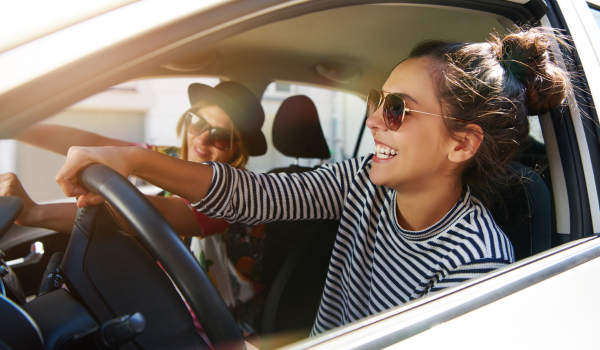
Leaving medications inside a hot vehicle can expose them to temperatures far above recommended storage limits.
Even short periods in a parked car during warm weather can cause temperatures to rise dramatically, potentially damaging sensitive medications.
Certain medications, including insulin and injectable treatments, may be particularly vulnerable to heat exposure.
Better Alternative
Keep medications in a small portable bag that travels with you whenever possible.
When driving:
- Place medications on the back seat
- Keep them away from heating vents
- Avoid direct sunlight
- Remove them from the vehicle when parked for extended periods
For medications requiring temperature control, insulated travel cases or cold packs may help maintain proper storage conditions.
Additional Tips For Traveling With Medications
Proper storage is only one part of medication safety during travel.
Bring Extra Medication
Pack additional doses in case of travel delays, missed connections, or unexpected changes to your itinerary.
Carry Prescriptions
Keep copies of prescriptions and medication lists with you, especially when traveling internationally.
Check Storage Requirements
Some medications require refrigeration or specific temperature ranges. Review storage instructions before departure.
Use Original Labels
Prescription labels can help verify medication ownership during airport security screenings or customs inspections.
The Bottom Line
When traveling, avoid storing medications in plastic bags, hotel bathrooms, checked luggage, direct sunlight, or hot vehicles. These environments can expose medications to heat, humidity, physical damage, or loss.
Instead, keep medications in their original containers, store them in cool and dry locations, carry them in your hand luggage, and protect them from temperature extremes. Taking a few simple precautions can help ensure your medications remain safe and effective throughout your trip.


.png)
.png)

.png)


.png)


.png)
.png)

.png)
.png)
.png)









.png)






.png)
.png)

.png)
.png)


.png)