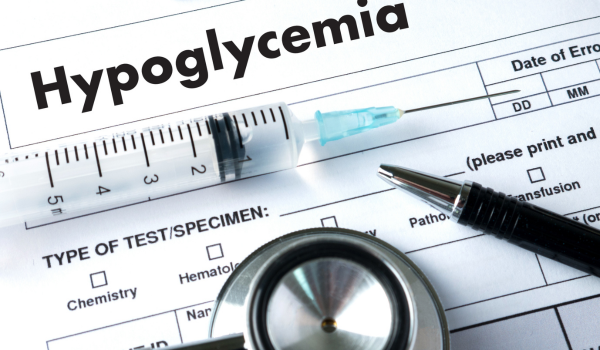
Hypoglycemia, or low blood sugar, occurs when blood glucose levels drop too low to properly support normal body function. It is most common in people with diabetes, especially those using insulin or certain blood sugar–lowering medications.
When blood sugar drops too quickly, symptoms such as shakiness, sweating, dizziness, confusion, blurred vision, weakness, and rapid heartbeat may appear. In more severe cases, hypoglycemia can become dangerous if not treated promptly.
Fast-acting carbohydrates are the best way to quickly raise blood sugar levels during an episode of hypoglycemia. Here are some foods and drinks commonly used to help restore blood sugar safely and effectively.
Glucose Gel
Glucose gel is specifically designed for treating low blood sugar quickly. It usually comes in small tubes or packets that are easy to carry and use during emergencies.
Most glucose gels provide approximately 15 grams of carbohydrates per serving, making them useful for fast blood sugar correction.
Because glucose gel is rapidly absorbed, it may help relieve hypoglycemia symptoms within minutes.
Glucose Tablets
Glucose tablets are another convenient option commonly recommended for treating low blood sugar.
These tablets are specially formulated to deliver fast-acting carbohydrates and are available in different flavors at pharmacies and online stores.
Serving sizes vary depending on the brand, so it is important to follow the instructions on the package to ensure the correct carbohydrate amount is consumed.
Many people with diabetes keep glucose tablets nearby because they are portable, easy to measure, and act quickly.
Hard Candies, Jellybeans, Or Gumdrops
Sugary candies such as hard candies, jellybeans, gumdrops, or similar sweets can also help raise blood sugar rapidly.
Because carbohydrate amounts differ between products, checking the nutrition label is important. For example, several pieces of hard candy may be needed to reach approximately 15 grams of carbohydrates.
Candies work best when they are mostly made from fast-digesting sugars rather than chocolate or foods high in fat, which slow absorption.
High-Glycemic Fruits
Some fruits can help raise blood sugar relatively quickly because they contain natural sugars that digest rapidly.
Examples include grapes, bananas, applesauce, and oranges. Certain portions of these fruits provide approximately 15 grams of carbohydrates, which may help improve mild hypoglycemia symptoms.
Fruits higher on the glycemic index generally raise blood sugar more quickly than low-glycemic foods that contain more fiber and digest more slowly.
While low-glycemic foods are usually healthier for long-term blood sugar control, they may not work quickly enough during hypoglycemia episodes.
Fruit Juice Or Regular Soda
Fruit juice is one of the most commonly recommended treatments for low blood sugar because it contains rapidly absorbed sugars without significant fiber, protein, or fat.
About half a cup of juice, such as apple or grape juice, may help increase blood sugar effectively.
Regular soda can also work because of its high sugar content, though diet soda should not be used since it contains little or no sugar.
Liquids are often helpful when symptoms make chewing difficult or when faster absorption is needed.
Sugar, Honey, Or Maple Syrup
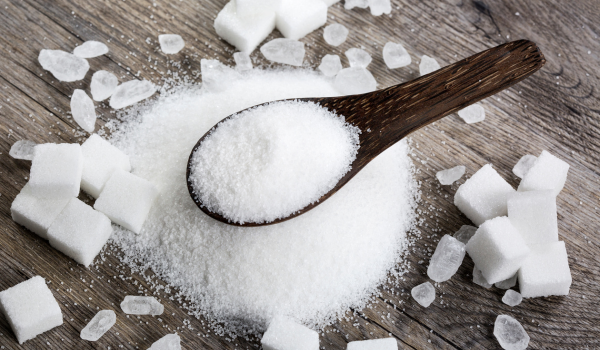
Simple sweeteners such as table sugar, honey, or maple syrup can quickly increase blood sugar levels.
One tablespoon generally provides enough carbohydrates to help treat mild hypoglycemia.
Granulated sugar can also be dissolved into water for easier consumption if needed.
Because these sweeteners digest very rapidly, they are often used during sudden low blood sugar episodes.
What Causes Low Blood Sugar?
Blood sugar naturally changes throughout the day depending on food intake, physical activity, medications, stress, and hormone levels.
Hypoglycemia occurs when blood glucose levels fall below approximately 70 milligrams per deciliter. Symptoms often become more noticeable when levels drop below 55 milligrams per deciliter.
Diabetes And Medications
Low blood sugar is most common in people with diabetes, particularly those with type 1 diabetes.
Insulin and certain diabetes medications are among the leading causes because they lower blood sugar directly.
Hypoglycemia may occur if someone:
- Takes too much insulin
- Uses the wrong type of insulin
- Injects insulin incorrectly
- Delays or skips meals
- Exercises more than expected without adjusting food intake
- Consumes too few carbohydrates
Other Possible Causes
Although less common, hypoglycemia can also occur in people without diabetes due to factors such as:
- Excess alcohol consumption
- Severe illness
- Malnutrition
- Certain medications
- Rare tumors affecting insulin production
The 15-15 Rule For Treating Hypoglycemia
One commonly recommended approach for mild to moderate hypoglycemia is the “15-15 rule.”
This method involves:
- Consuming 15 grams of fast-acting carbohydrates
- Waiting 15 minutes
- Rechecking blood sugar levels
If blood sugar remains below normal after 15 minutes, another 15 grams of carbohydrates may be needed.
Once blood sugar stabilizes, eating a balanced snack or meal containing protein and complex carbohydrates may help prevent levels from dropping again.
Severe Hypoglycemia And Glucagon
Very low blood sugar can become dangerous and may require emergency treatment.
In severe cases, people may become confused, unconscious, or unable to swallow safely. Injectable glucagon is sometimes used during these emergencies to rapidly raise blood sugar levels.
Family members and caregivers of people with diabetes are often taught how to administer glucagon if needed.
Tips For Preventing Low Blood Sugar
Preventing hypoglycemia often involves maintaining stable eating habits, medication management, and regular blood sugar monitoring.
Eat Balanced Meals Regularly
Consistent meals and snacks that include protein, fiber, healthy fats, and complex carbohydrates may help stabilize blood sugar levels.
Monitor Blood Sugar Frequently
Checking blood sugar regularly can help identify patterns and prevent unexpected drops.
Limit Excess Alcohol
Alcohol may increase hypoglycemia risk, especially when consumed without food.
Understand Carbohydrate Intake
Different carbohydrates affect blood sugar differently, so learning how foods interact with medications and activity levels is important.
Work With A Healthcare Professional
Because every person responds differently to food, insulin, and activity, creating a personalized eating and treatment plan with a healthcare provider or diabetes specialist may help reduce hypoglycemia episodes safely.

.png)
.png)

.png)
.png)

.png)



.png)
.png)

.png)
.png)
.png)



.png)



.png)

.png)

.png)
.png)
.png)