Sugar and sugar alcohols are both commonly used to sweeten foods, but they affect the body differently. While sugar occurs naturally in foods like fruit, honey, and milk, sugar alcohols are often added to “sugar-free” or “diet” products as a lower-calorie alternative.
Consuming either in large amounts can lead to side effects and long-term health concerns, making it important to understand how they compare.
What Is Sugar?
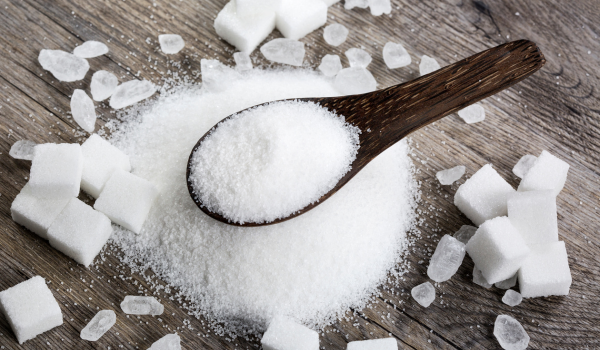
Sugar is a type of carbohydrate that provides energy and sweetness. It is used in foods and beverages for flavor, preservation, and fermentation, and it also appears in some medications.
Types Of Sugar
Sugars are classified as monosaccharides or disaccharides. Monosaccharides include glucose, fructose, and galactose, which are found naturally in fruits and milk. Disaccharides are made of two monosaccharides; sucrose (table sugar) combines glucose and fructose, while lactose combines glucose and galactose.
Both naturally occurring sugars and added sugars can contain these forms. For example, honey contains a mix of monosaccharides and disaccharides.
What Is Sugar Alcohol?
Sugar alcohols are a group of sweeteners naturally found in small amounts in fruits and vegetables. For commercial use, they are extracted and processed through hydrogenation.
Despite the name, sugar alcohols do not contain ethanol and do not cause intoxication.
Common Types Of Sugar Alcohols
Examples include xylitol, erythritol, maltitol, sorbitol, isomalt, lactitol, and mannitol. Xylitol is about as sweet as sugar, while most others are less sweet.
Sugar alcohols are widely used in sugar-free, diabetes-friendly, and low-calorie products. They also appear in medications, chewable vitamins, lozenges, and dental products.
Key Differences Between Sugar And Sugar Alcohols
Digestion And Absorption
Sugar is rapidly absorbed in the small intestine. Sugar alcohols are only partially absorbed, with the remainder reaching the colon, where bacteria ferment them. This process can cause gas, bloating, or diarrhea, especially in large amounts.
Calorie Content
Sugar provides about 4 calories per gram. Sugar alcohols provide fewer calories because they are not fully absorbed by the body.
Sweetness And Taste
Most sugar alcohols are less sweet than sugar and may leave a cooling sensation in the mouth. Some also have a mild aftertaste.
Blood Sugar Response
Sugar raises blood glucose levels quickly. Sugar alcohols generally have a smaller effect on blood sugar, making them appealing for people with diabetes.
Dental Effects
Certain sugar alcohols, such as xylitol and sorbitol, may help inhibit bacteria that contribute to tooth decay, which is why they are used in dental products.
Similarities Between Sugar And Sugar Alcohols
Natural Origins
Both sugar and sugar alcohols occur naturally in foods and are then processed for use in packaged products.
Potential Health Concerns
Excess consumption of either can cause health problems. High added sugar intake is linked to weight gain, type 2 diabetes, and heart disease. Large amounts of sugar alcohols may cause digestive discomfort.
Which Is Healthier?
Neither sugar nor sugar alcohols are harmless when consumed in excess.
For Blood Sugar Control
People with diabetes may benefit from sugar alcohols because they do not raise blood glucose as sharply as sugar. However, foods containing sugar alcohols can still be high in carbohydrates and calories.
For Overall Health
Research on the long-term health effects of sugar alcohols is limited. Some studies suggest that very high intake may be linked to cardiovascular risks, though the small amounts naturally found in foods are generally safe.
Because sugar alcohols are less sweet, people may consume more than intended, increasing the risk of digestive side effects.
Risks And Considerations
Digestive Symptoms
Gas, bloating, abdominal pain, and diarrhea are common side effects of sugar alcohols, especially for sensitive individuals.
Added Sugar Risks
Excess added sugar intake is associated with obesity, insulin resistance, heart disease, and other chronic conditions.
Moderation is key with both sweeteners, and whole foods with naturally occurring sugars are generally a better choice than heavily sweetened processed products.
Bottom Line
Sugar alcohols may be a useful alternative for reducing blood sugar spikes, but they are not risk-free. Sugar, while natural, can contribute to serious health issues when consumed in large amounts. Limiting added sweeteners of all kinds and focusing on whole, minimally processed foods is the healthiest approach.

.png)