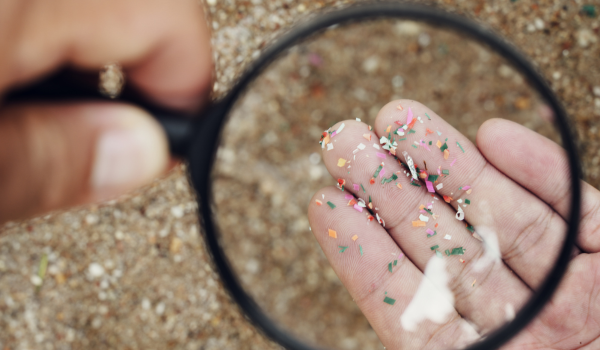
Microplastics have now reached nearly every environment on the planet—from Arctic ice to ocean life.
Disturbingly, scientists are detecting them inside the human body, including in the bloodstream, placentas, organs, and even the brain.
Recent research from the University of New Mexico suggests that plastic particles accumulating in the brain have risen by 50% in the past eight years. Scientists link this surge to the massive increase in plastic production and global plastic pollution.
Some studies associate microplastic chemicals with endocrine disruption, inflammation, and cardiovascular disease. Early findings also show individuals with dementia may hold up to 10 times more plastic in their brains, though research is ongoing.
While experts agree microplastics are everywhere, they also emphasize that everyday choices can meaningfully reduce exposure.
How Microplastics Enter The Human Body
Widespread environmental contamination
Unlike organic materials such as wood, plastic never turns back into soil. Instead, discarded plastic breaks into microscopic particles that travel through the air, oceans, and soil.
Microplastics get into the body through:
• Contaminated seafood
• Drinking water
• Airborne dust particles
• Soil and agricultural exposure
Most microplastics enter through eating and drinking, but inhalation also contributes.
Scientists believe microplastics do not penetrate through the skin, but nearly all plastics eventually shed—toothpaste tubes, packaging, bags, utensils, and more—feeding the cycle.
Ditch Plastic In Food Preparation
Choose safer kitchen materials
Plastic cutting boards, nonstick pans, and old plastic cooking utensils can shed particles directly into food.
Research shows worn nonstick coatings and plastic spatulas may release flame retardants and microplastics during cooking.
Safer alternatives include:
• Cast iron, ceramic, or stainless steel pans
• Wooden, silicone, or stainless steel utensils
• Bamboo or wood cutting boards
Avoid scraping metal tools on ceramic cookware to prevent damage.
Say Goodbye To Plastic Food Containers
Store and heat food responsibly
Plastic containers—especially when heated—may shed particles into food.
Glass or stainless steel storage helps avoid this problem, and bringing reusable containers for takeout reduces exposure.
Buying less packaged food and choosing produce without plastic wrapping can also minimize contact.
Reusable wraps like beeswax sheets or cloth lid covers offer additional plastic-free options.
Consider Bamboo Toothbrushes And Silk Floss
Switch from plastic oral care tools
Studies show plastic toothbrushes and floss shed microplastics during normal use, with some fragments small enough to be considered nanoplastics, potentially easier to accumulate in tissues.
Natural alternatives include:
• Bamboo toothbrushes
• Silk floss
• Waxed biodegradable floss options
Making small swaps may limit household plastic waste over time.
Get A Non-Plastic Reusable Water Bottle
Reduce microplastics in beverages
Bottled water contains some of the highest measured concentrations of micro- and nanoplastics—up to hundreds of thousands per liter.
Shift to stainless steel or glass reusable bottles, and consider:
• Installing a high-quality water filter
• Choosing filters with the smallest pore size
• Replacing filters as directed
Filtration cannot remove every particle, but it may significantly reduce exposure.
Pay Attention To Clothing Materials
Choose natural fibers when possible
Synthetic fabrics like polyester, nylon, and spandex shed microfibers every time they are worn, washed, or dried.
These particles drift into indoor air or drain into water systems.
More eco-conscious choices include:
• Cotton
• Wool
• Linen
• Hemp
Existing wardrobes with synthetic clothing can be managed with laundry filter bags or microfiber-trapping tools.
Do Your Part To Reduce Plastic Waste
Support system-level change
Avoiding hard-to-recycle plastics is just part of the solution.
Many items—plastic bags, styrofoam, thin films—rarely make it through recycling systems and often end up in landfills or natural environments.
Personal steps that make a difference include:
• Reusing electronics and home goods instead of upgrading frequently
• Repairing appliances and tools when possible
• Avoiding disposable items
• Learning what plastics your city recycles
• Supporting community recycling efforts
Experts emphasize that large-scale solutions require policy changes, manufacturing regulations, and public engagement.
Reducing plastic production—not just waste—is critical, especially as global output is projected to double within 25 years.


.png)
.png)

.png)
.png)


.png)



.png)
.png)

.png)
.png)
.png)






.png)





.png)

.png)

.png)
.png)


.png)