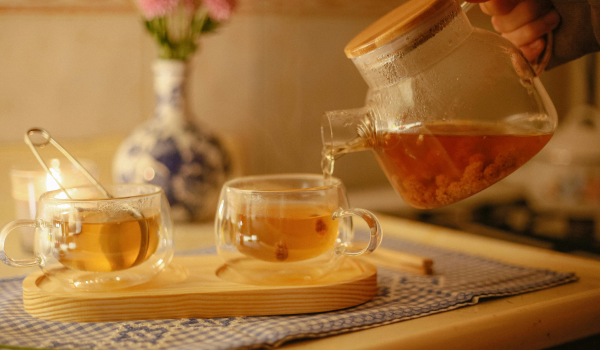
Tea is widely considered one of the healthiest beverages. However, recent research suggests that how tea is prepared and consumed can significantly influence its health benefits.
A review published in Beverage Plant Research found that while traditional brewed tea is associated with several health advantages, bottled and bubble teas may reduce or offset some of these benefits due to added ingredients and processing methods.
Evidence Supporting Tea’s Health Benefits
Researchers from China and the United States reviewed a wide range of studies examining the health effects of tea. Their analysis included both human and animal research.
The review focused primarily on several types of tea, including:
-
Green tea
-
Black tea
-
Oolong tea
-
Yellow tea
-
Dark or fermented tea
Overall, the findings suggested that regular tea consumption is linked to a lower risk of several chronic diseases.
Research has associated tea drinking with potential benefits such as:
-
Reduced risk of cardiovascular disease
-
Improved metabolic health
-
Lower likelihood of obesity
-
Reduced risk of type 2 diabetes
-
Possible protective effects against certain cancers
These benefits are believed to come largely from polyphenols and antioxidants, compounds found naturally in tea that help reduce inflammation and protect cells from damage.
Bottled And Bubble Tea May Provide Fewer Benefits
Despite tea’s health-promoting compounds, the review noted that not all tea products provide the same advantages.
Effects of Bottled Tea Processing
Bottled teas are often processed using high-temperature sterilization. This process can reduce the concentration of antioxidants that contribute to tea’s health benefits.
Although bottled tea may still contain beneficial compounds, the levels may be lower compared with freshly brewed tea.
Added Ingredients In Bubble Tea
Bubble tea—also known as boba tea—often contains additional ingredients such as:
-
Tapioca pearls
-
Milk or non-dairy creamers
-
Artificial flavorings
-
Food coloring
-
Added sugars
These additions can significantly increase the calorie and sugar content of the drink. In many cases, bubble tea can contain 150 to 200 extra calories per serving, depending on its ingredients and portion size.
Excessive consumption of added sugars has been linked to increased risks of:
-
Heart disease
-
Obesity
-
Type 2 diabetes
Bubble tea may also contain saturated fats from creamers, which can contribute to cardiovascular risk when consumed frequently.
Freshly Brewed Tea Offers The Most Benefits
Experts suggest that freshly brewed tea provides the greatest concentration of beneficial antioxidants and polyphenols.
Compared with bottled or bubble tea, brewed tea typically contains:
-
Fewer calories
-
Less added sugar
-
Higher levels of natural antioxidant compounds
Because of this, many health professionals consider brewed tea the healthiest option for regular consumption.
Tips For Maximizing Tea’s Health Benefits
To get the most health benefits from tea, consider preparing it at home and keeping added ingredients minimal.
Some useful tips include:
-
Choose unsweetened green or black tea
-
Brew tea with hot but not fully boiling water
-
Steep the tea for about 3 to 5 minutes to extract beneficial compounds
-
Limit added sugars or sweeteners
If you prefer a sweeter taste, small amounts of natural sweeteners such as honey may be an option. Honey also contains antioxidant and anti-inflammatory compounds.
Enjoy Bottled And Bubble Tea In Moderation
Although bottled and bubble teas may not provide the same health benefits as brewed tea, they do not necessarily need to be avoided completely.
Experts recommend treating these beverages as occasional indulgences rather than daily drinks.
Choosing freshly brewed tea most of the time can help maximize its potential health benefits while still allowing room for occasional specialty beverages.

.png)