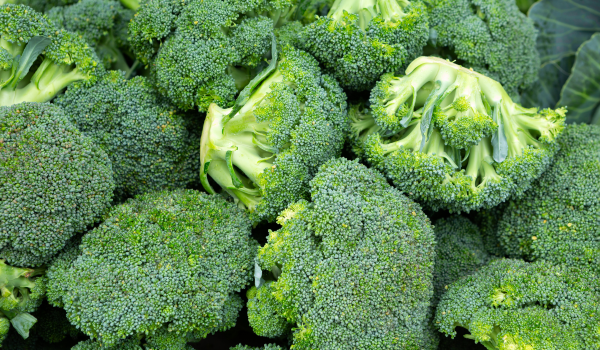
Sulforaphane is a natural plant compound found in cruciferous vegetables like broccoli and kale. It is known for its antioxidant and anti-inflammatory properties, which may help support overall health. While research is still ongoing, early findings suggest several potential benefits.
May Support Cardiovascular Health
Oxidative stress occurs when harmful compounds called free radicals build up in the body, increasing the risk of heart disease.
Sulforaphane acts as an antioxidant, helping neutralize these compounds and reduce inflammation. This may support better blood vessel function and lower the risk of conditions like atherosclerosis (plaque buildup in the arteries).
It may also help improve cholesterol balance by:
-
Increasing HDL (good cholesterol)
-
Reducing LDL (bad cholesterol)
These effects could contribute to improved heart health over time.
May Support Blood Sugar Control
Inflammation and oxidative stress are key contributors to insulin resistance, a major factor in type 2 diabetes.
Sulforaphane may help improve insulin sensitivity, allowing the body to regulate blood sugar more effectively.
Some studies suggest that sulforaphane—especially from broccoli sprout extract—may:
-
Lower fasting blood sugar levels
-
Reduce HbA1c (long-term blood sugar marker)
-
Improve insulin levels in people on high-fat diets
However, more research is needed to confirm these effects in larger populations.
May Help Prevent Cancer
Sulforaphane has shown potential anticancer properties in early research.
Its benefits may include:
-
Slowing the growth of tumor cells
-
Reducing chronic inflammation linked to cancer
-
Supporting detoxification enzymes that remove harmful substances
Most of these findings come from studies using concentrated doses, so it’s unclear how much benefit you get from normal dietary intake alone.
May Help Manage Some Autism Symptoms
Some early research suggests sulforaphane may help improve certain symptoms in individuals with autism spectrum disorder.
Reported improvements include:
-
Better social interaction
-
Improved verbal communication
These findings are promising but still limited. Sulforaphane should not be used as a replacement for medical treatment.
How To Get More Sulforaphane
There is currently no official recommended daily intake for sulforaphane.
It is naturally found in cruciferous vegetables such as:
-
Broccoli
-
Broccoli sprouts
-
Kale
-
Brussels sprouts
-
Cabbage
-
Bok choy
-
Cauliflower
Broccoli sprouts are considered one of the richest sources.
Sulforaphane is also available in supplement form, including capsules, powders, and liquid extracts.
How To Take It
Sulforaphane can be consumed through whole foods or supplements.
For better absorption:
-
Pair with foods containing myrosinase (an enzyme that helps activate sulforaphane)
-
Take supplements with meals
Results can vary depending on dosage, frequency, and individual health status.
Dosage
There is no standardized dosage for sulforaphane.
Research studies have used a wide range of doses, and supplement recommendations can vary significantly between brands.
Before taking supplements, it’s best to consult a healthcare professional to determine what is appropriate for you.
Is Sulforaphane Safe?
Sulforaphane from food sources is generally considered safe.
However, high doses (especially from supplements) may pose risks. Animal studies have shown potential side effects at very high intake levels, such as:
-
Reduced body temperature
-
Decreased muscle coordination
-
Sedation
There is limited research on its long-term safety and effects during pregnancy or breastfeeding.
Potential Drug Interactions
Sulforaphane supplements may interact with certain medications, particularly those that affect how drugs are processed in the body.
Possible interactions include:
-
Diuretics
-
Calcium channel blockers
-
Nonsteroidal anti-inflammatory drugs (NSAIDs)
Always consult a healthcare provider before combining supplements with medications.
What To Look For In Supplements
If choosing a supplement:
-
Look for third-party tested products
-
Choose reputable brands
-
Check ingredient lists and dosage instructions
Since supplements are not strictly regulated, quality can vary.
Possible Side Effects
Most people tolerate sulforaphane well, but some may experience mild side effects, including:
-
Gas or bloating
-
Constipation
-
Difficulty sleeping
These effects are typically mild and vary from person to person.
Final Thoughts
Sulforaphane is a promising plant compound with potential benefits for heart health, blood sugar control, and inflammation. While early research is encouraging, more studies are needed to fully understand its long-term effects.
For now, the safest and most effective way to increase your intake is through a balanced diet rich in cruciferous vegetables.
.png)
.png)



.png)


.png)